

 Español
 русский
 Français
 Português
 Deutsch
 عربى
عربى italiano
-1.jpg)
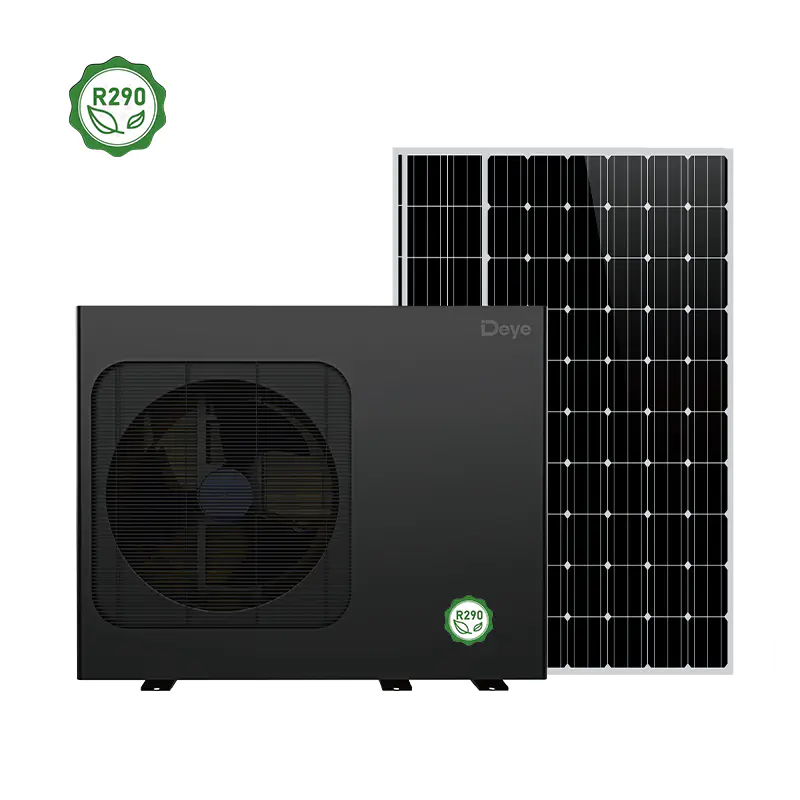
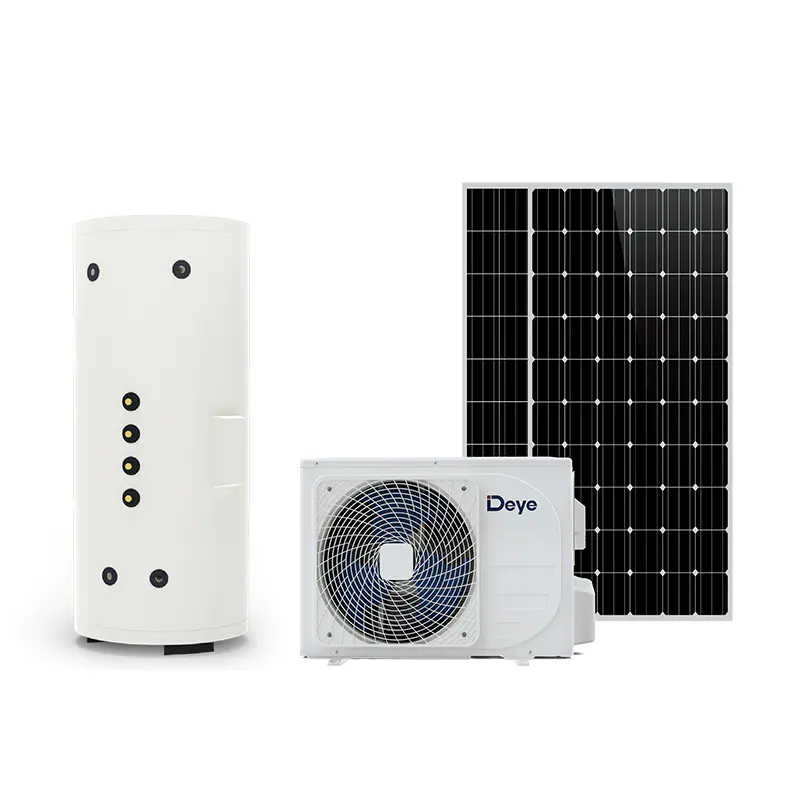
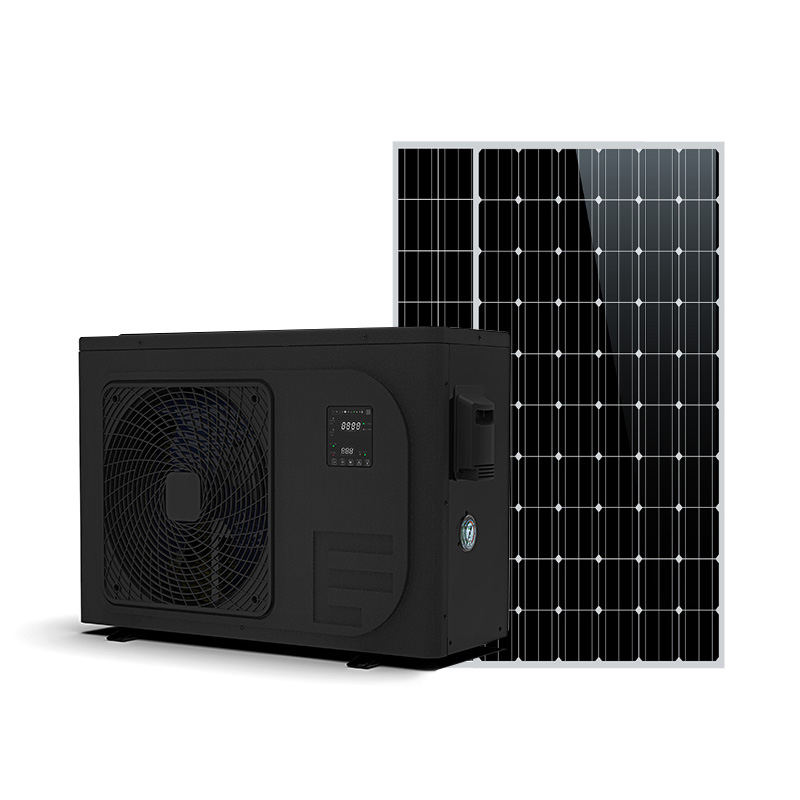
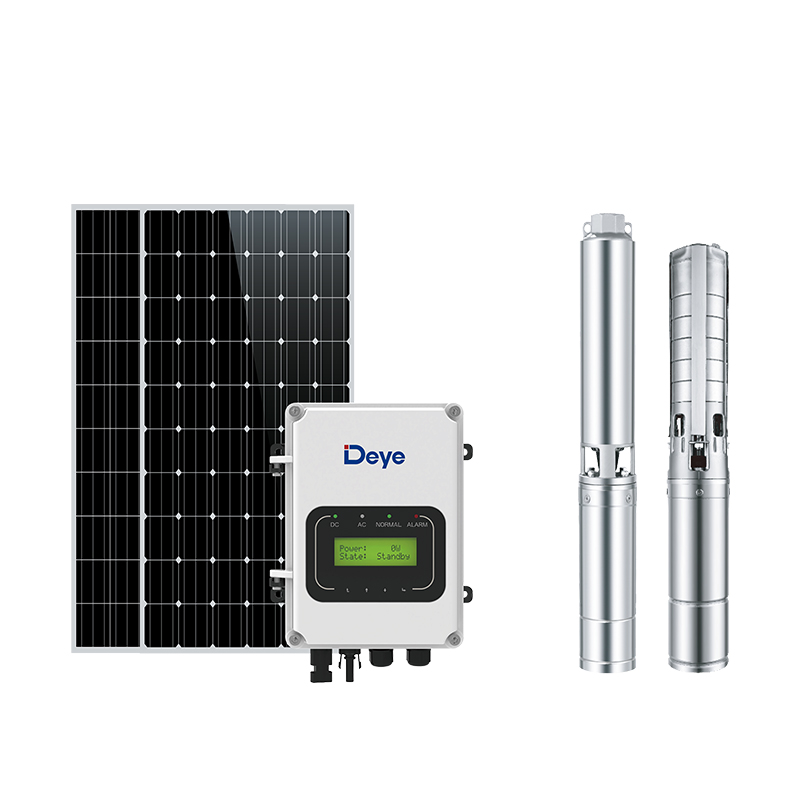
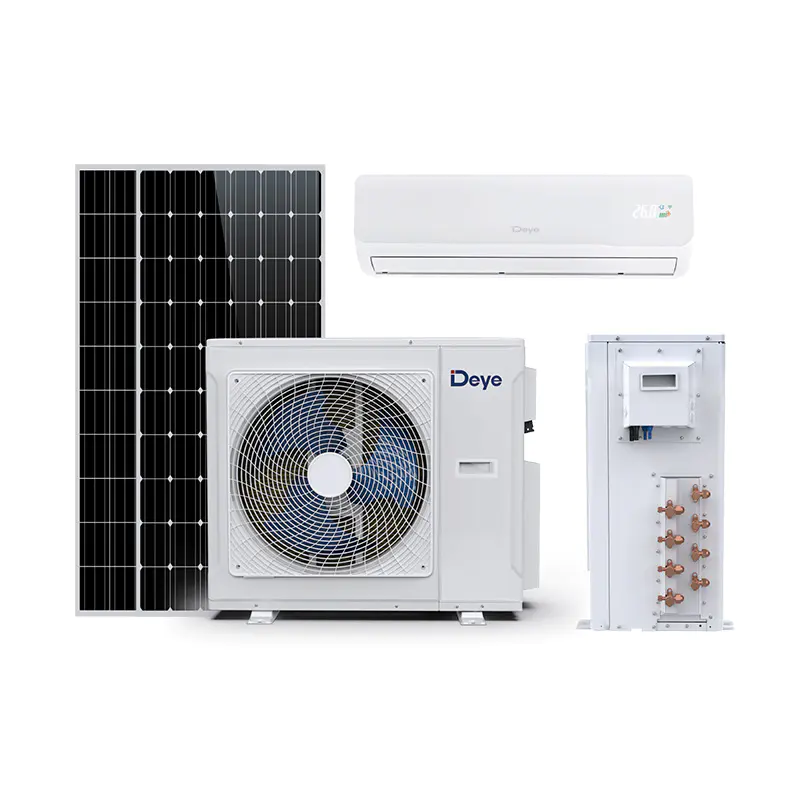

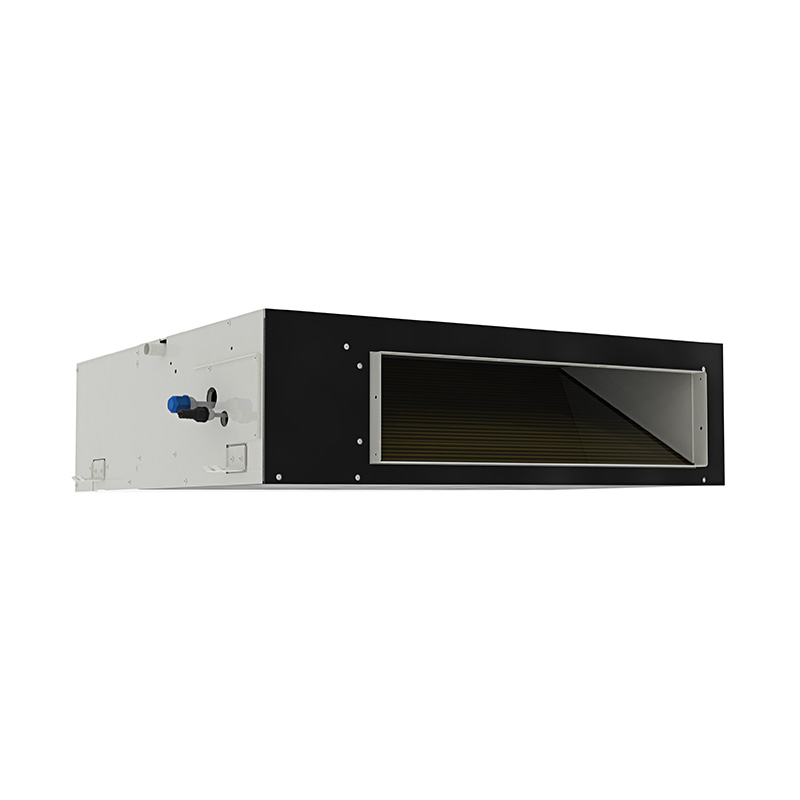
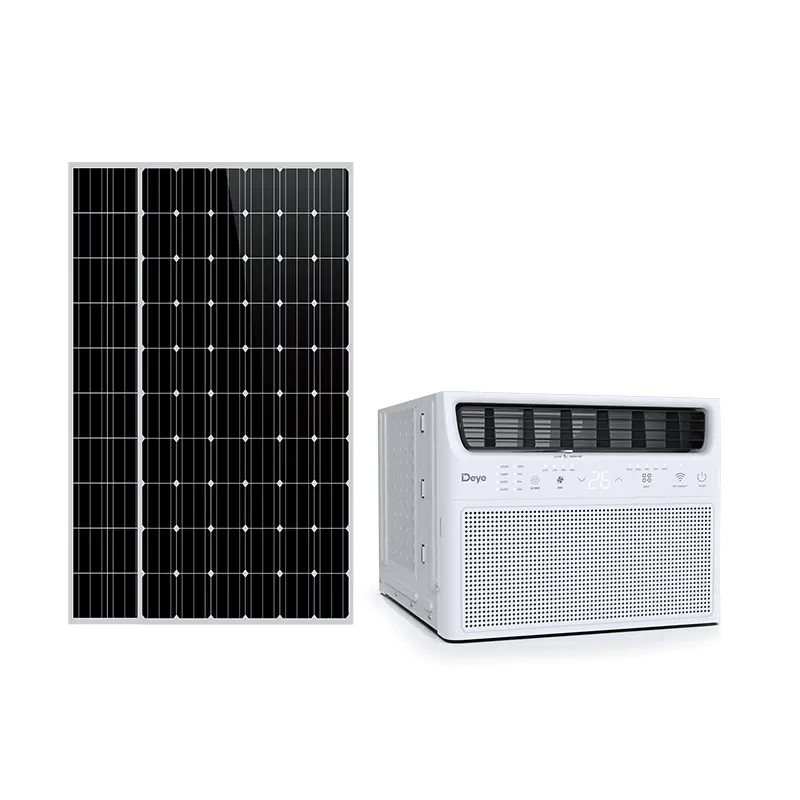
Solar air source water heater is a device that efficiently utilizes natural heat energy in the air to heat water. Its heating efficiency directly affects the economy of the equipment and the user experience. In actual operation, the decline in heating efficiency is relatively common, and there are many influencing factors, so targeted solutions need to be taken.
Scaling or accumulation of pollutants in the heat exchanger is one of the important reasons for the reduction in heating efficiency. In areas with hard water or a large amount of minerals, scale will gradually accumulate on the surface of the heat exchanger to form an insulating layer, which seriously hinders heat conduction and thus prevents heat energy from being effectively transferred to the water. This not only slows down the heating speed, but also increases energy consumption. In order to solve this problem, it is very important to clean the heat exchanger regularly. Professional descaling agents or mechanical cleaning methods can be used to remove scale to ensure that the surface of the heat exchanger remains clean. In addition, improving water quality is also one of the important measures. Users can reduce the hardness of water by installing softening water equipment or filtering devices, thereby reducing the frequency of scale generation. Before and after the operation of the equipment, water quality testing is carried out to ensure that it meets the use requirements, which can effectively extend the service life of the heat exchanger.
In an air source heat pump system, the performance degradation of the fan or blower can also lead to poor air circulation, thus affecting the efficiency of heat transfer. Dust accumulation or damage to the fan blades will reduce the air flow rate, reduce the contact area between the air and the heat exchanger, and cause the heat exchange efficiency to decrease. Therefore, regular cleaning of the fan blades to ensure their normal operation and replacement of damaged fans or blowers when necessary are effective measures to improve the efficiency of the system.
The performance of the compressor is directly related to the heating capacity of the system. Failure or reduced efficiency of the compressor will cause the system to fail to achieve the expected heating effect. Common problems include poor lubrication, mechanical wear or electrical failure. Regularly maintain the compressor, check the lubricating oil status to ensure that it is within the normal range, and replace aging or damaged parts in time to keep the compressor in good working condition.
Refrigerant leakage is also one of the important factors affecting heating efficiency. The refrigerant plays the role of transferring heat energy in the system. Once a leak occurs, the pressure and refrigerant volume of the system will decrease, resulting in a significant reduction in heat exchange capacity. Refrigerant leakage may be caused by aging of the pipeline, loose connections or mechanical damage. Detecting refrigerant leakage requires professional equipment. After the leakage point is found, the sealing repair or replacement of damaged parts should be carried out in time to ensure the sealing and normal operation of the system. The replenishment and filling of refrigerant must be operated by professionals to ensure that the amount of refrigerant meets the design requirements of the equipment to avoid the decrease in heating efficiency caused by insufficient refrigerant.
Waterway blockage in the system is also one of the common reasons affecting thermal efficiency. The accumulation of impurities, sediments or pollutants in the waterway will hinder the smooth flow of water and reduce the speed and efficiency of hot water supply. The accumulation of sediment inside the filter or heat exchanger will reduce the heat exchange area, further affecting the heat conduction effect. Regularly cleaning the waterway system, keeping the filter clean, using softened water or adding descaling agents can effectively prevent the occurrence of blockage problems. In the case of severe blockage, it may be necessary to disassemble, clean or replace part of the pipeline to ensure smooth water flow.
