

 Español
 русский
 Français
 Português
 Deutsch
 عربى
عربى italiano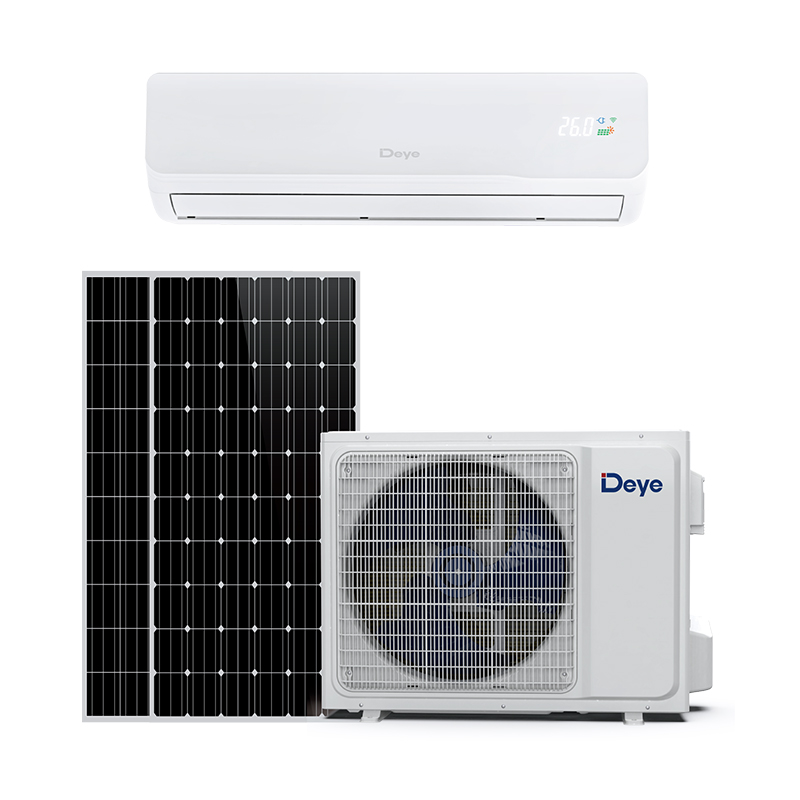
-1.jpg)
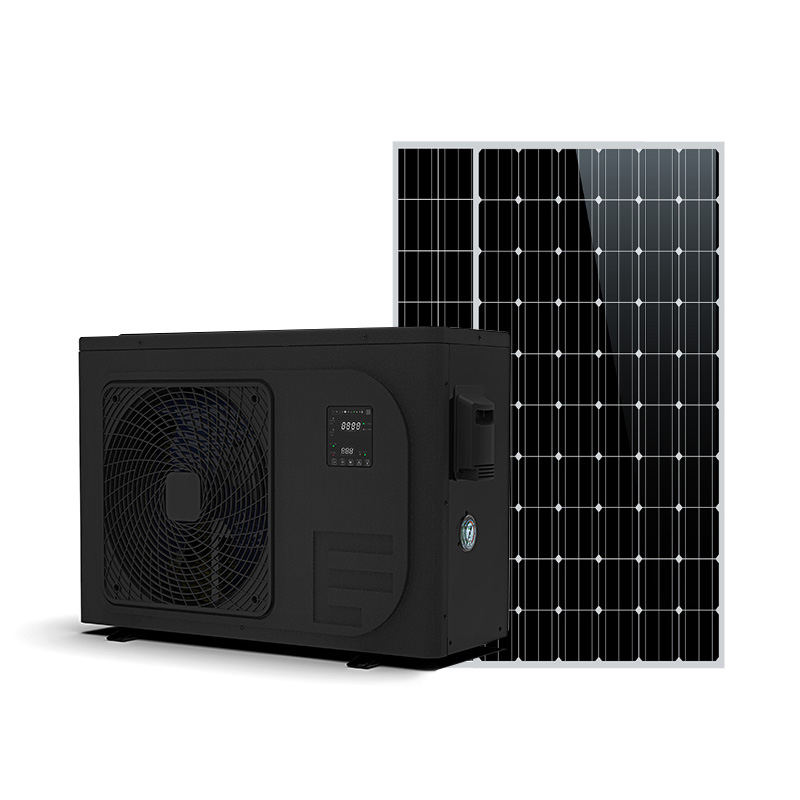
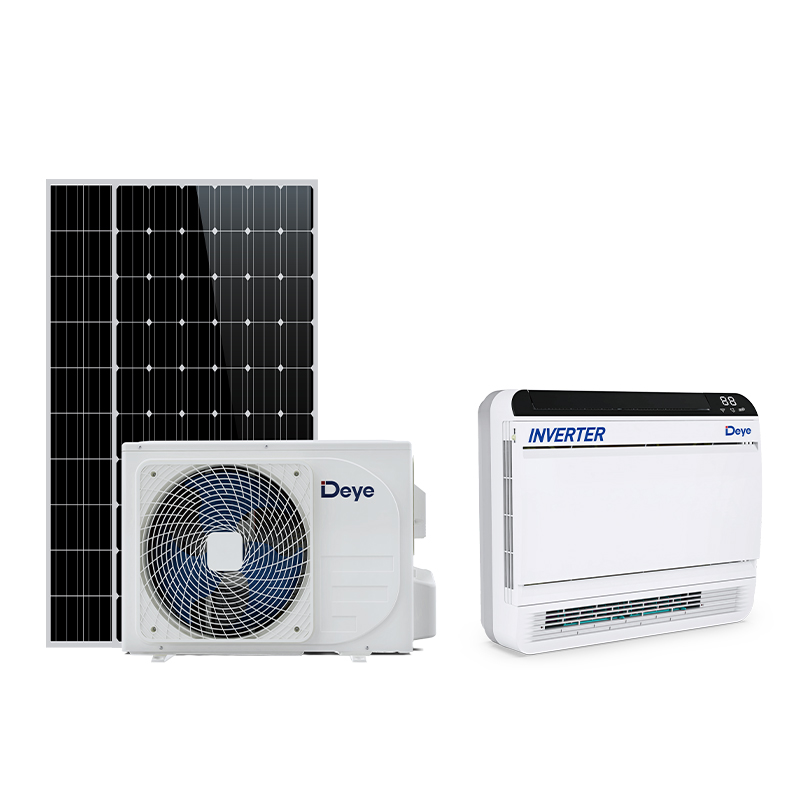
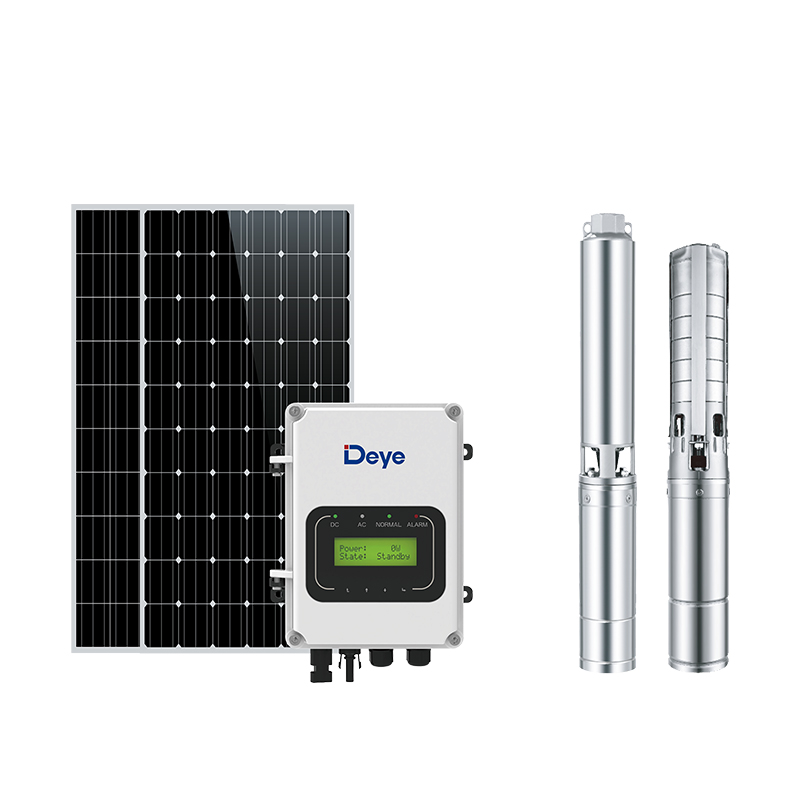
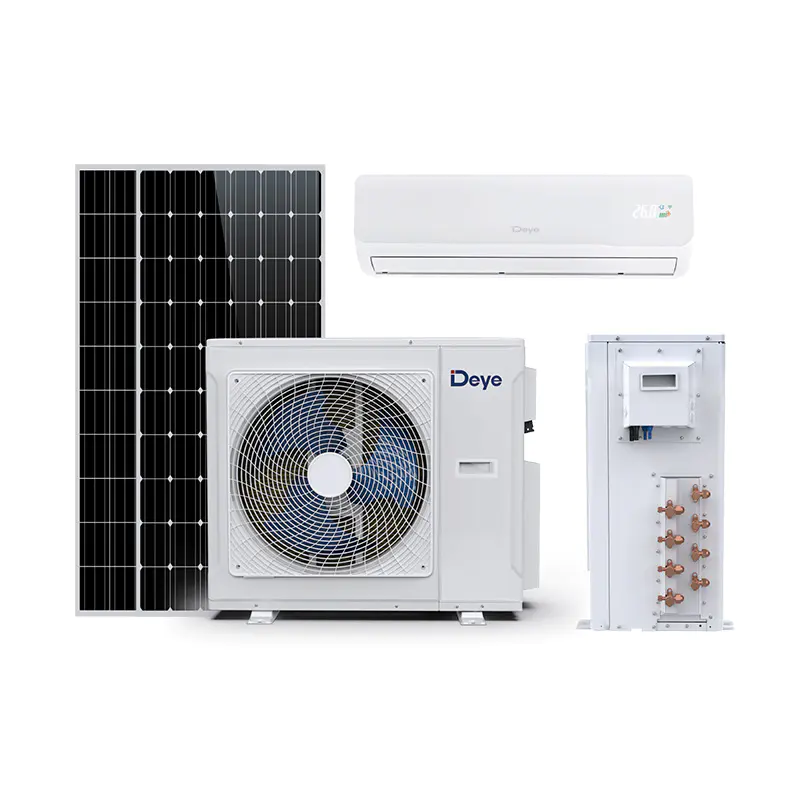

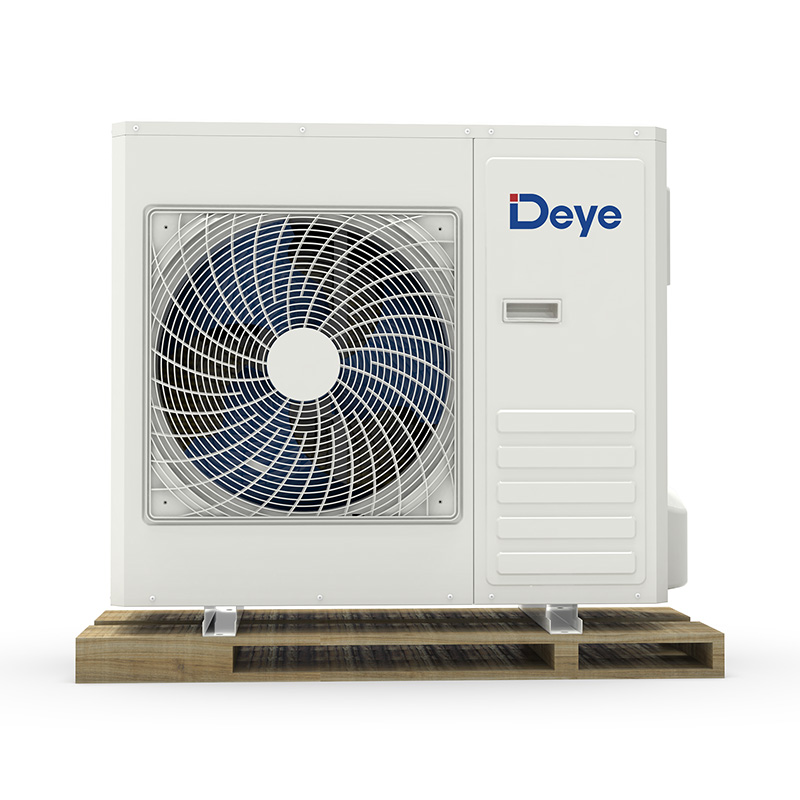
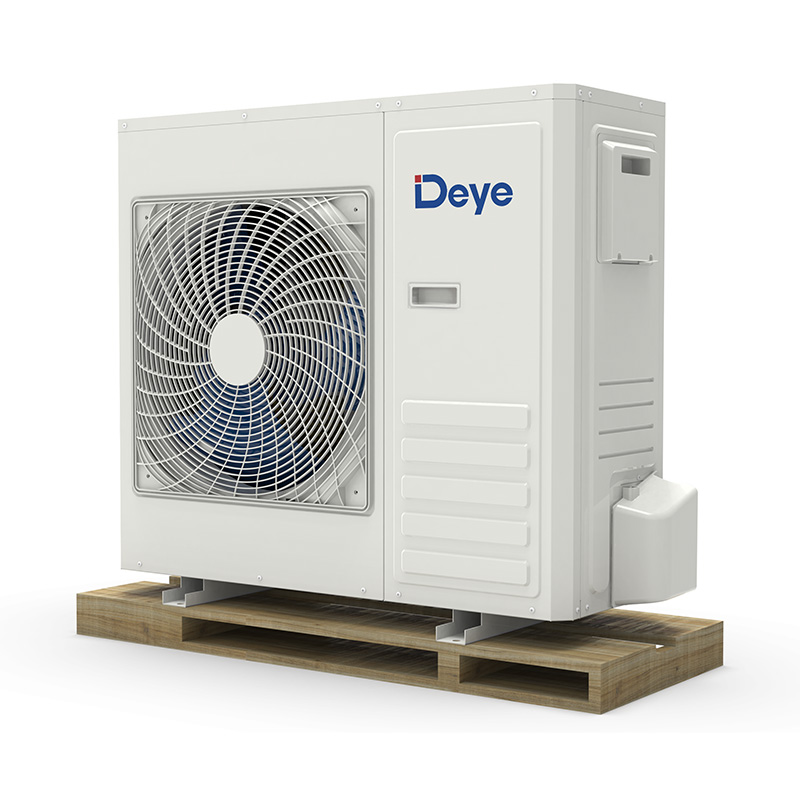
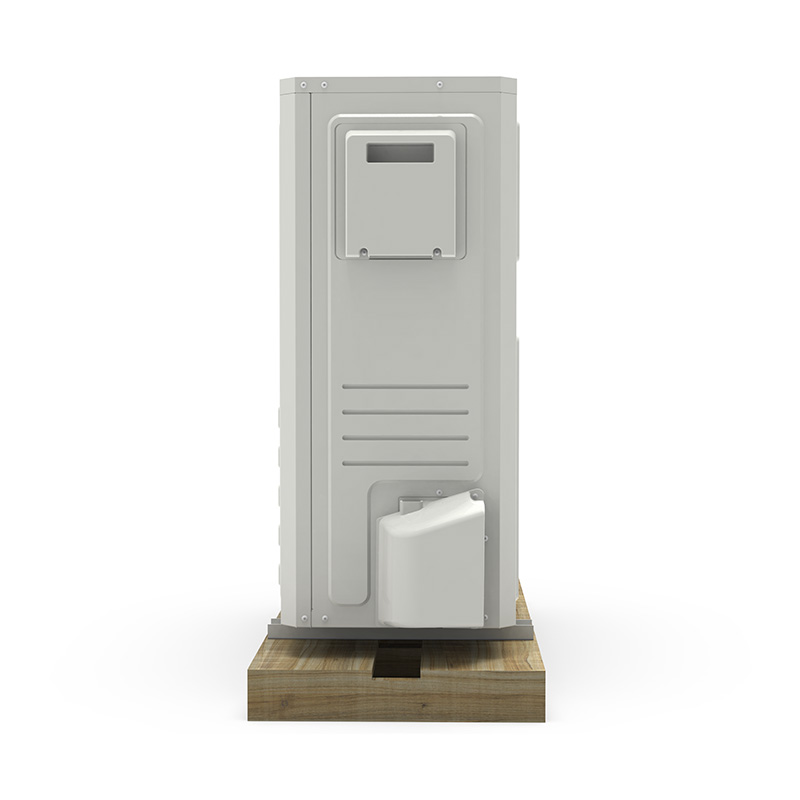
 DC Inverter
 WIFI control
 Hybrid Solar
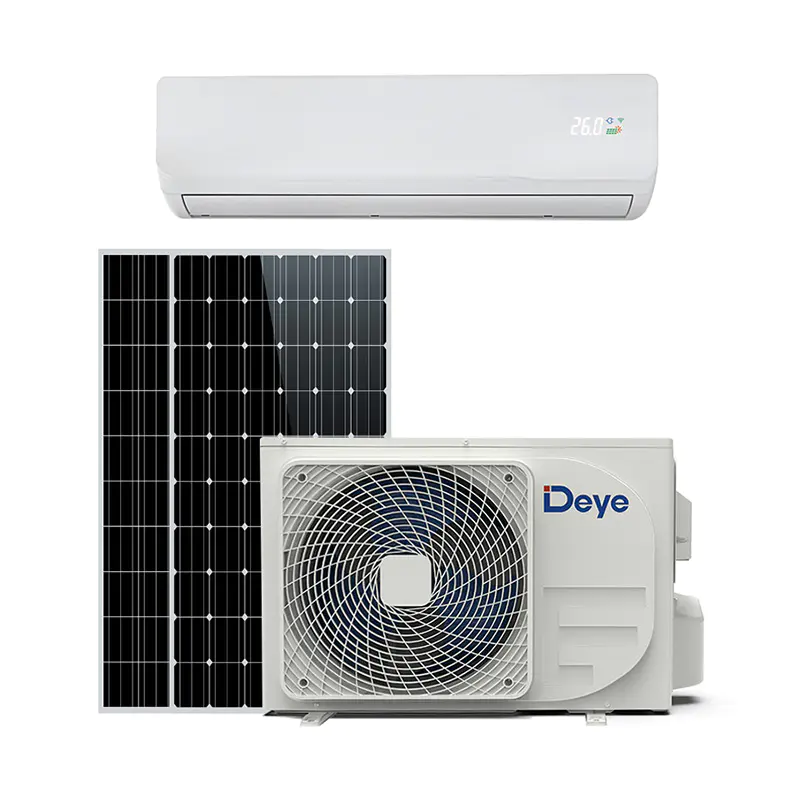
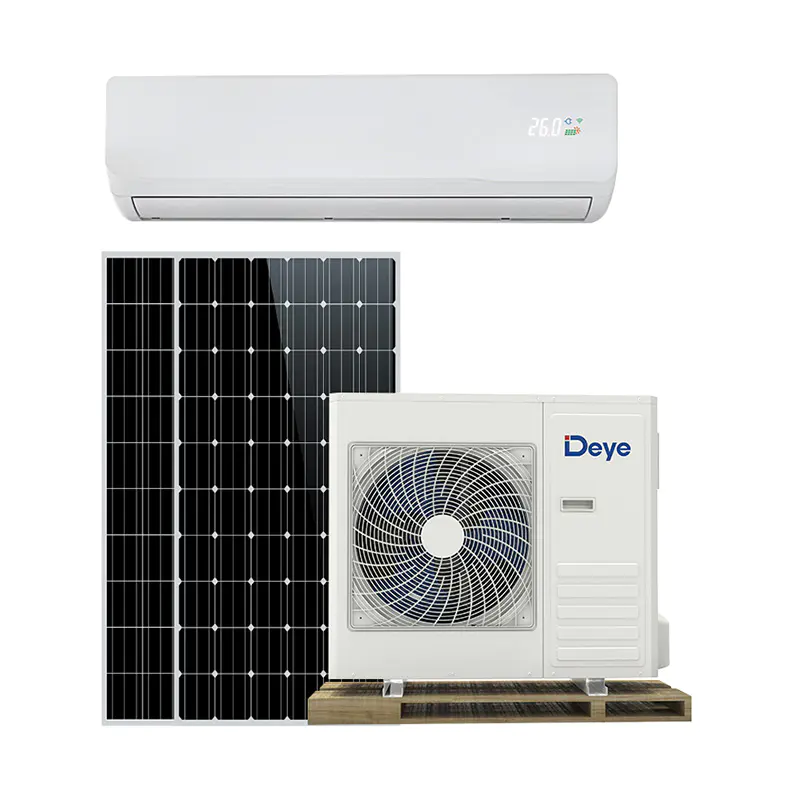
Introduction to Low-Temperature Solar AC-Hybrid ACDC R32 Systems
As global attention to energy efficiency and environmental protection increases, solar air conditioning (Solar AC) systems have become an increasingly popular solution, especially in cases where energy savings and carbon emission reductions are prioritized. Low TEMP Solar AC-Hybrid ACDC R32 systems utilize solar energy as the power source, combined with modern high-efficiency technologies to provide excellent cooling performance. With technological advancements, the introduction of hybrid AC/DC technology has further enhanced the efficiency of solar AC systems, while the use of R32 refrigerant improves the overall environmental sustainability and cooling performance of the system.
Definition and Importance of Solar Air Conditioning
Solar air conditioning systems work by converting solar energy into electricity to power air conditioning units for cooling. Compared to traditional air conditioning, solar AC systems use renewable energy, greatly reducing dependence on the power grid, saving electricity costs, and minimizing environmental impact. Low TEMP Solar AC-Hybrid ACDC R32 systems are particularly suitable for applications where a consistent low temperature is required, such as agricultural cold chains, pharmaceutical industries, data centers, and remote areas.
Core Features of Low-Temperature Solar AC
Low-temperature solar AC systems are not designed for ordinary residential or commercial cooling. They are specifically designed to provide cooling for environments that require sustained low temperatures and high energy efficiency. For example, agricultural storage, pharmaceutical cold storage, and industrial cooling require air conditioning systems that can operate in high-temperature environments while maintaining low temperatures. These systems typically include high-efficiency solar panels, battery storage, and smart control systems to ensure continuous cooling even when solar energy is insufficient or during nighttime.
Introduction to Hybrid AC/DC R32 Technology
The hybrid AC/DC technology used in low-temperature solar AC systems combines the benefits of both alternating current (AC) and direct current (DC) power. In this system, the electricity generated by solar panels is initially transmitted as DC power and then converted into AC power by an inverter to drive the cooling process. By using hybrid AC/DC technology, the system can operate efficiently under different environmental conditions, reduce energy loss, and improve overall energy efficiency.
The use of R32 as the refrigerant in this system is another key highlight. R32 has a lower Global Warming Potential (GWP) and higher energy efficiency, making it a more environmentally friendly and efficient refrigerant choice in modern cooling systems.
What Makes Low-Temperature Solar AC Unique?
Low-temperature solar AC systems differ significantly from traditional solar air conditioning systems, especially in terms of temperature control and energy efficiency.
Definition and Characteristics of Low-Temperature Solar AC
Low TEMP Solar AC-Hybrid ACDC R32 refers to solar-powered air conditioning systems specifically designed to operate in environments where low temperatures or strict temperature control are essential. These systems are capable of maintaining stable low temperatures even in high external temperatures, which is crucial for applications such as agricultural storage, cold chain logistics, and other industries with strict temperature requirements.
Differences Between Low-Temperature Solar AC and Traditional Solar AC Systems
- Temperature Control: Traditional solar AC systems are typically designed for general indoor cooling, suitable for residential and commercial use. Low-temperature solar AC, on the other hand, is engineered to deliver consistent low temperatures in environments where precise temperature control is necessary, such as in agricultural storage, cold chain logistics, or pharmaceuticals.
- Efficiency and Energy Saving: Low-temperature solar AC systems incorporate more efficient inverters and battery storage systems, ensuring operation even when sunlight is limited or during nighttime. The system intelligently manages the power from solar energy, AC/DC conversion, and other components, achieving higher energy efficiency.
- Environmental Performance: Traditional air conditioners typically use refrigerants like R22 or R410A, which, while effective in the short term, have significant environmental impacts. Low-temperature solar AC systems use R32 refrigerant, which has a lower GWP and lower energy consumption, making it a more environmentally friendly and efficient choice.
Ideal Applications of Low-Temperature Solar AC
- Agricultural Storage: Cooling fruits, vegetables, meat, and other temperature-sensitive food products.
- Pharmaceutical Cold Chain: Ensuring proper temperature for the storage and transport of medicines.
- Data Center Cooling: Maintaining a stable low temperature to protect equipment from overheating.
- Off-Grid or Remote Applications: Providing independent energy solutions for remote locations where grid power is unreliable or unavailable.
Hybrid AC/DC Technology in Solar Cooling
Hybrid AC/DC technology is one of the core components of the low-temperature solar AC system, and it maximizes the energy utilization efficiency by combining the benefits of both AC and DC power sources.
What is Hybrid AC/DC Technology?
Hybrid AC/DC technology refers to the simultaneous use of both AC and DC power within the same system. Solar panels typically generate DC power, while air conditioning units require AC power to operate. By using a hybrid AC/DC system, the DC power generated by solar panels is efficiently converted into AC power by an inverter, which drives the air conditioning compressor and other key components. This technology also adjusts the system’s operation mode based on environmental conditions, such as the availability of sunlight, ensuring optimal performance without wasting energy.
Advantages of Hybrid AC/DC Technology
| Advantage | Explanation |
|---|---|
| Efficient Energy Conversion | The DC power from solar panels is converted into AC power through the inverter, minimizing energy losses during the process. |
| Strong Adaptability | The system can adjust its operation mode based on different power inputs, such as solar energy during the day or battery power at night. |
| Enhanced System Stability | By intelligently managing the use of both AC and DC power, the system ensures efficient and stable operation under different load conditions. |
| Energy Saving | In sunny conditions, the system can directly use DC power generated by solar panels, reducing dependence on the electrical grid. |
How Hybrid AC/DC Technology Works with Solar Panels
The DC power generated by solar panels is first converted into AC power through a solar inverter, which drives the air conditioning system’s compressor, fan, and other components. This power conversion process allows the system to efficiently utilize solar energy while maintaining excellent cooling performance. During cloudy weather or nighttime, the DC power stored in batteries can continue to power the system, ensuring uninterrupted cooling operation.
By using hybrid AC/DC technology, low-temperature solar AC systems not only improve energy efficiency but also enhance the system's adaptability and reliability, making it a more eco-friendly and energy-saving solution.
The Role of R32 Refrigerant in Low-Temperature Solar AC
In low-temperature solar AC systems, the use of R32 refrigerant is one of the key factors in enhancing cooling efficiency and environmental friendliness. Compared to traditional refrigerants, R32 offers several significant advantages, making it the refrigerant of choice for many modern air conditioning systems. Specifically in low-temperature solar AC systems, R32 works efficiently with hybrid AC/DC technology to improve overall performance.
What is R32 Refrigerant?
R32 (chemical name: difluoromethane) is a new environmentally friendly refrigerant widely used in modern air conditioning and refrigeration systems. It is a single-component fluorocarbon refrigerant containing only fluorine and hydrogen, offering lower global warming potential (GWP) and ozone depletion potential (ODP) compared to traditional refrigerants.
Environmental Benefits of R32
One of the main advantages of R32 refrigerant is its much lower GWP, which means it has a much smaller impact on climate change compared to many other traditional refrigerants. According to international climate agreements, the lower the GWP, the lesser the refrigerant's impact on the environment.
| Characteristic | R32 | R410A | R22 |
|---|---|---|---|
| Global Warming Potential (GWP) | 675 | 2088 | 1810 |
| Ozone Depletion Potential (ODP) | 0 | 0 | 0.05 |
| Cooling Efficiency | High | High | Low |
| Energy Efficiency Ratio | Excellent | Good | Average |
| Amount of Refrigerant Used | Lower | Higher | Higher |
- GWP Value: R32's GWP is 675, while R410A's GWP is 2088, and R22's is 1810. A lower GWP means R32 has a much smaller effect on global warming compared to R410A and R22.
- ODP Value: All three refrigerants have an ODP of 0, meaning they do not directly harm the ozone layer.
- Cooling Efficiency & Energy Efficiency: R32 has higher cooling efficiency and energy efficiency compared to R22, making it a more efficient choice for low-temperature solar AC systems.
- Refrigerant Amount: R32 requires less refrigerant to achieve the same cooling effect as R410A or R22, which helps reduce the overall weight and energy consumption of the system.
Advantages of R32
- Lower Global Warming Potential (GWP): R32's low GWP significantly reduces the impact on climate change compared to other refrigerants, making it an environmentally friendly option.
- Higher Energy Efficiency: R32 has a higher cooling efficiency, which enables better cooling performance while reducing energy consumption, a crucial factor in low-temperature solar AC systems.
- Lower Refrigerant Charge: Compared to R410A, R32 requires less refrigerant, reducing the amount used and making the system more cost-effective and lightweight.
- Suitable for High-Temperature Environments: Low-temperature solar AC systems often need to operate in high ambient temperatures. R32’s efficiency allows it to maintain superior cooling performance under these conditions, making it ideal for hot environments.
- Environmental Friendliness: With a low GWP and zero ODP, R32 is a sustainable refrigerant that aligns with global environmental regulations, such as the Montreal Protocol and the Paris Climate Agreement.
How R32 Enhances Low-Temperature Solar AC Systems
In Low TEMP Solar AC-Hybrid ACDC R32 systems, R32 refrigerant helps to improve overall system efficiency by enabling high cooling performance with lower energy consumption. Compared to traditional refrigerants like R22 or R410A, R32 can provide stronger cooling at the same or even lower energy consumption, making it especially suitable for applications requiring continuous low-temperature operation.
Advantages of Using R32:
- Improved System Efficiency: Due to R32’s higher thermal conductivity and energy efficiency, low-temperature solar AC systems can deliver stronger cooling performance while consuming less energy.
- Reduced Carbon Emissions: The lower GWP of R32 helps to reduce the carbon footprint of the air conditioning system, contributing to long-term environmental sustainability.
- Extended Equipment Lifespan: R32's stability and efficiency help to reduce the system's workload, prolonging the lifespan of the equipment.
Key Components of a Low-Temperature Solar AC-Hybrid ACDC R32 System
The low-temperature solar AC system is a complex system that involves multiple components working together to achieve optimal cooling performance. Each component plays a vital role in the overall system efficiency, stability, and continuous operation. Below are the key components of the low-temperature solar AC system:
1. Solar Panels
Solar panels are the primary power source for low-temperature solar AC systems. They convert sunlight into electrical energy to power the air conditioning system. The efficiency of the solar panels directly impacts the overall energy efficiency of the system.
Factors to consider when selecting solar panels:
- Power Output (W): The power output of the panel determines how much electricity is produced over a specific period.
- Efficiency: Higher efficiency panels can produce more electricity in the same amount of space.
- Durability: Since solar panels are exposed to outdoor conditions for extended periods, durability is a key factor when selecting panels.
2. Inverter and Charge Controller
The inverter converts the DC electricity generated by the solar panels into AC electricity to drive the air conditioning compressor and other equipment. The charge controller manages the charging and discharging process of the batteries, ensuring that they are not overcharged or deeply discharged, which helps prolong battery life.
Functions of the inverter:
- DC to AC Conversion: Converts DC electricity into AC electricity, making it suitable for use in home and commercial air conditioning systems.
- Energy Efficiency Management: Optimizes energy conversion to minimize energy losses.
3. Hybrid AC/DC Unit
The hybrid AC/DC unit is the core of the low-temperature solar AC system. It combines the advantages of both AC and DC power, ensuring efficient operation of the system under different environmental conditions. This unit typically includes the compressor, evaporator, and other key components of the air conditioning system.
4. Battery Storage System
The battery storage system is used to store the electricity generated by the solar panels, ensuring that the system can continue to operate during times when sunlight is unavailable, such as at night or during cloudy periods. This is especially important for low-temperature solar AC systems, as it allows them to provide uninterrupted cooling when needed.
5. Other Supporting Components
In addition to the main components, the low-temperature solar AC system also requires auxiliary equipment such as wiring, controllers, and monitoring systems. These components help ensure that the system operates efficiently and provide real-time data feedback to the user for management and maintenance.
Energy Efficiency and Cost Savings with Low-Temperature Solar AC
Low TEMP Solar AC-Hybrid ACDC R32 systems combine solar power generation with high-efficiency air conditioning technology, offering significant energy efficiency and cost savings advantages. Compared to traditional electric-powered air conditioners, this system utilizes solar energy for cooling, reducing reliance on the grid and significantly lowering energy consumption and electricity costs. Below, we will explore in detail how low-temperature solar AC systems achieve energy savings and cost reduction, and highlight their long-term economic benefits.
1. Efficient Energy Conversion and Savings
The key to the low-temperature solar AC system lies in its use of solar panels to generate electricity. The efficiency of the solar panels in converting sunlight into electrical energy directly affects the overall energy efficiency of the system. In sunny regions, solar panels effectively collect and convert solar radiation into electricity, which powers the air conditioning system. In this way, the AC operates without relying on traditional electricity, especially in areas with high electricity costs, which results in significant savings on electricity bills.
In addition, low-temperature solar AC systems are typically equipped with highly efficient inverters, which convert the direct current (DC) generated by the solar panels into alternating current (AC) to drive the air conditioning units. This process ensures minimal energy loss, allowing more solar power to be used for cooling.
2. Reduced Grid Dependence and Electricity Costs
When using traditional electric-powered AC systems, especially during the hot summer months, the operation of the air conditioner significantly increases electricity bills. In contrast, the low-temperature solar AC system can take full advantage of solar energy during the daytime to power the AC, greatly reducing reliance on the grid. Even at night or on cloudy days, the system continues to operate using stored energy from the battery.
Studies show that in areas with abundant sunlight, low-temperature solar AC can reduce cooling costs by 50% to 70%. Even in regions with relatively low electricity prices, solar AC systems still offer significant economic advantages by relying primarily on free and renewable solar energy.
3. Long-Term Return on Investment
Although the initial investment in a low-temperature solar AC system is higher, the long-term return on investment is very attractive. Key components of the system, such as solar panels and storage batteries, typically have a lifespan of over 25 years. Therefore, over the years following installation, users can enjoy long-term energy savings and cost recovery.
By calculating the savings in electricity bills and considering government subsidies, the payback period for a low-temperature solar AC system is usually between 5 to 10 years. As battery costs continue to fall, this payback period is likely to shorten, further improving the system's cost-effectiveness.
4. Cost Comparison Analysis
The following table compares the long-term operational costs of traditional air conditioning systems and low-temperature solar air conditioning systems:
| Item | Traditional Electric AC | Low-Temperature Solar AC |
|---|---|---|
| Initial Investment Cost | Low | High (solar panels, batteries, inverter) |
| Power Consumption | High (grid-dependent) | Low (solar-powered) |
| Electricity Bill | High (continuous power consumption) | Low (primarily powered by solar energy) |
| Maintenance Cost | Moderate | Low (periodic cleaning, inspection) |
| System Lifespan | 10-15 years | 25+ years |
| Grid Dependence | High | Low (can operate off-grid in remote areas) |
| Annual Electricity Savings | - | 50%-70% |
As shown in the table, while the initial investment in low-temperature solar AC is higher, the long-term energy savings and reduced electricity bills make it a highly cost-effective investment over time.
Environmental Benefits of Low-Temperature Solar AC-Hybrid ACDC R32 Systems
Low-temperature solar air conditioning systems not only offer energy-saving advantages but also have significant positive environmental impacts. With increasing global focus on sustainability and environmentally friendly technologies, low-temperature solar AC systems, which utilize solar energy and the low-global-warming-potential (GWP) R32 refrigerant, have become an ideal solution for eco-friendly cooling. Below, we will explore how low-temperature solar AC systems contribute to reducing carbon emissions, saving resources, and promoting sustainability.
1. Solar Energy Reduces Carbon Emissions
One of the greatest environmental benefits of low-temperature solar AC is its reduction of reliance on traditional electricity. Power generation is one of the major sources of greenhouse gas emissions globally, particularly from fossil fuel-based power generation. When using traditional AC systems, the high electricity consumption leads to increased carbon emissions. In contrast, low-temperature solar AC systems use solar energy to provide clean power, significantly reducing carbon emissions.
Estimates suggest that each year, low-temperature solar AC systems can reduce carbon emissions by 50% to 80% compared to traditional electric-powered AC systems. This means that for every home or commercial building using solar-powered AC, the carbon footprint reduction could equate to the avoidance of several tons of CO2 emissions, contributing to climate change mitigation.
2. Environmental Benefits of Using R32 Refrigerant
Compared to traditional air conditioners that use refrigerants like R22 or R410A, R32 refrigerant has a significantly lower global warming potential (GWP) and higher energy efficiency. The GWP of R32 is only 675, while R410A's GWP is 2088, making R32 about three times less harmful in terms of its contribution to global warming.
Additionally, R32 refrigerant has a zero ozone depletion potential (ODP), meaning it causes virtually no damage to the ozone layer. In contrast, R22 has an ODP of 0.05, which still has a certain impact on the ozone layer. Therefore, low-temperature solar AC systems that use R32 refrigerant play a key role in reducing environmental pollution and protecting the atmosphere.
3. Increased Energy Efficiency and Reduced Resource Waste
Solar-powered AC systems efficiently utilize renewable energy—solar power—maximizing the reduction of dependence on non-renewable resources. This not only reduces greenhouse gas emissions but also encourages the use of renewable energy, helping to shift the energy structure toward greener alternatives.
Moreover, low-temperature solar AC systems are designed for high efficiency, with components such as inverters and storage batteries ensuring effective conversion and storage of solar energy, minimizing energy waste. The overall efficiency of the system means that more solar power is converted into cooling energy with minimal loss.
4. Renewable Energy and Ecological Balance
Using solar-powered AC systems is an effective way to transition to renewable energy. As the world reduces its reliance on fossil fuels, renewable energy applications will become more widespread. Solar energy, being the cleanest and most accessible renewable energy source, can provide nearly unlimited power, especially in regions with abundant sunlight, where solar AC systems can operate around the clock. By promoting low-temperature solar AC technology, we reduce dependence on the grid and help minimize air pollution and water waste, contributing to the health and sustainability of ecosystems.
5. Long-Term Environmental Advantages
The long-term environmental benefits of low-temperature solar AC systems go beyond reducing carbon emissions and conserving resources. They also bring widespread positive effects to society and the global environment. As technology advances, the cost of solar panels is steadily decreasing, and the adoption rate of solar AC systems is increasing. Every installed solar-powered air conditioner is an investment in the future ecological environment, helping reduce carbon footprints and protecting the planet.
| Environmental Benefit | Low-Temperature Solar AC System | Traditional AC System |
|---|---|---|
| Carbon Emission Reduction | 50%-80% reduction | High carbon emissions |
| Refrigerant Type | R32 (Low GWP, No ODP) | R22/R410A (Higher GWP) |
| Energy Source | Solar power (renewable energy) | Grid power (fossil fuels) |
| Resource Utilization Efficiency | High efficiency in solar energy use | High energy consumption, resource waste |
Grid Independence and Off-Grid Cooling Applications
One of the significant advantages of low-temperature solar AC systems is their ability to provide independent cooling solutions in areas without access to the grid. This makes low-temperature solar AC an ideal choice for remote areas, rural locations, and places with unstable power supplies. By combining solar panels, storage systems, and hybrid AC/DC technology, low-temperature solar AC systems can offer reliable, energy-efficient cooling, supporting off-grid operation.
Grid Independence: Advantages of Low-Temperature Solar AC Systems
- Fully Independent from the Grid
Low-temperature solar AC systems rely on solar energy and storage batteries, reducing dependence on the traditional electric grid. Even in locations without grid power, the solar system and battery storage ensure the system operates continuously. - Stable Energy Source
By utilizing solar panels and efficient storage systems, low-temperature solar AC adjusts cooling demands according to the day-night cycle. Even during periods without sunlight or on cloudy days, the system can still operate through battery storage, providing 24-hour continuous cooling. - Lower Electricity Costs
Off-grid systems eliminate the need to pay for grid electricity, thus significantly lowering long-term operating costs, especially in areas where electricity rates are high. Additionally, the maintenance costs for low-temperature solar AC systems are relatively low, further reducing long-term expenses. - Environmental Friendliness and Sustainability
By relying on solar energy as the primary power source, off-grid systems reduce dependence on fossil fuels such as coal or natural gas. This makes low-temperature solar AC systems highly sustainable, ideal for users seeking eco-friendly solutions.
Off-Grid AC Systems vs. Traditional Grid-Powered AC Systems
| Feature | Low-Temperature Solar AC (Off-Grid) | Traditional Grid-Powered AC |
|---|---|---|
| Energy Source | Solar + Storage Battery | Grid Power |
| Grid Dependence | None | High |
| Operating Cost | Low | High |
| Power Consumption | Reduced (Relies on Solar) | High (Relies on Grid Power) |
| System Requirements | Solar Panels + Storage Battery | None (Direct Grid Connection) |
| Suitable Applications | Remote Areas, Off-Grid Locations | Urban or Grid-Connected Areas |
| Sustainability | High | Low |
Off-Grid Cooling Applications
Low-temperature solar AC systems are particularly beneficial in the following applications, especially in areas where grid power is either unavailable or limited:
- Remote and Rural Areas
In places without grid electricity, low-temperature solar AC provides stable cooling, ensuring comfort for residents, small businesses, or community centers. This is especially valuable in tropical or subtropical regions where air conditioning is a necessity. - Resorts and Hotels
In resorts and hotels located far from urban areas, low-temperature solar AC can reduce operating costs while providing high-efficiency cooling for guests. Many resorts also use solar systems as part of their eco-friendly branding, attracting environmentally-conscious travelers. - Agricultural Applications (Greenhouse Cooling)
For greenhouse farming, maintaining precise temperature control is essential for optimal crop growth. Low-temperature solar AC systems provide continuous cooling without relying on traditional grid electricity, lowering operating costs and reducing greenhouse gas emissions. - Emergency Cooling Solutions
In the event of natural disasters or power outages, low-temperature solar AC can serve as an emergency cooling solution, ensuring that critical facilities such as hospitals or data centers continue to operate without interruption, preventing overheating of sensitive equipment. - Remote Work Locations
For off-the-grid or remote workspaces, low-temperature solar AC can provide an entirely independent cooling solution. This is an ideal option for businesses that require sustainable solutions while operating in remote areas.
Installation and Maintenance of Low-Temperature Solar AC Systems
The installation and maintenance of low-temperature solar AC systems are crucial for ensuring their long-term efficient operation. Unlike traditional AC systems, low-temperature solar AC requires the installation of not only the AC unit but also solar panels, a storage system, inverters, and charge controllers. Understanding how to correctly install and maintain these systems can maximize their energy efficiency and extend their lifespan.
10.1 Steps for Installing Low-Temperature Solar AC Systems
Installing a low-temperature solar AC system is relatively complex, but the process is typically smooth when following the correct steps. Below are the general steps for installing a low-temperature solar AC system:
- Choose an Appropriate Installation Location
- Solar Panels: Choose an area that is free from shading to ensure the solar panels receive maximum sunlight. Typically, panels are installed on rooftops or open spaces on buildings.
- AC Unit: The outdoor unit should be installed in a location with good airflow to avoid obstructing heat dissipation.
- Storage System: The battery storage system should be placed in an environment with suitable temperature conditions to avoid overheating or underperformance.
- Install the Solar Panels
The solar panels should be installed on the roof or designated area, ensuring the angle allows for maximum sunlight absorption. Typically, solar panels should face the sun; in the Northern Hemisphere, they are directed south, while in the Southern Hemisphere, they should face north.
- Install the Inverter and Charge Controller
The inverter is used to convert the DC power generated by the solar panels into AC power, which the AC unit uses. The charge controller monitors the battery charging process to prevent overcharging or deep discharge.
- Connect the Battery Storage System
The battery storage system should be connected to both the inverter and the charge controller to ensure a balanced charging and discharging cycle. This allows the system to function even during nighttime or on cloudy days.
- Install the AC Unit and Connect Indoor and Outdoor Units
Follow the manufacturer’s guidelines to properly install the indoor and outdoor units of the AC system. The outdoor unit must be placed in a well-ventilated area to ensure efficient heat dissipation.
- System Testing and Inspection
Once installation is complete, the system must undergo testing to ensure all components are working properly. This includes checking the solar panels' output, confirming the inverter and charge controller are functioning correctly, and evaluating the cooling performance of the AC unit.
10.2 Maintenance of Low-Temperature Solar AC Systems
Proper maintenance is essential to extend the lifespan and efficiency of low-temperature solar AC systems. Unlike traditional AC systems, solar-powered AC systems require periodic checks to ensure all components, including solar panels, inverters, and storage batteries, are functioning optimally. Below are some common maintenance steps and suggestions:
- Regular Cleaning of Solar Panels
Solar panels should be cleaned periodically, especially in dusty or polluted areas. Use a soft cloth and warm water to clean the panels, avoiding harsh chemicals. Regular cleaning ensures optimal energy conversion efficiency.
- Check the Battery Storage System
Regularly inspect the battery storage system’s voltage and capacity to ensure it is in good condition. If the battery shows signs of aging or reduced performance, it should be replaced.
Avoid overcharging or deep discharging to prolong battery life.
- Check the AC System’s Performance
Regularly check the cooling performance of the AC system, including airflow and temperature regulation. If any issues arise, such as noise or insufficient cooling, inspect the system and perform necessary repairs.
- Check the Inverter and Charge Controller
Ensure the inverter is working properly and regularly check electrical connections. The inverter should be tested for input and output current to ensure it is not overloaded.
Check the charge controller to ensure it is properly managing the battery’s charging cycles to prevent overcharging or undercharging.
- Inspect the Refrigerant Lines
Regularly check the refrigerant lines for any leaks or damage. If any leaks are found, call a professional to repair the system and recharge the refrigerant.
- Clean or Replace Air Filters
The air filters inside the AC unit should be cleaned or replaced regularly to prevent dust and debris from accumulating, which can reduce airflow and cooling efficiency.
10.3 Maintenance and Installation Tips
| Maintenance Task | Frequency | Description |
|---|---|---|
| Solar Panel Cleaning | Every 3-6 months | Clean the surface of the panels to remove dust and debris, which may block sunlight and reduce energy output. |
| Battery Check and Replacement | Once a year | Inspect the battery voltage and capacity, and replace aging batteries as needed. |
| AC System Performance Check | Once a year | Check the cooling performance of the AC system, clean the filters, and ensure the unit operates properly. |
| Inverter and Charge Controller Check | Once a year | Inspect electrical connections, and ensure the inverter and charge controller are functioning properly. |
| Refrigerant Line Inspection | Once a year | Check refrigerant lines for leaks, and repair any issues to prevent system inefficiency. |
| Air Filter Cleaning/Replacement | Every 3 months | Regularly clean or replace the air filters inside the AC unit to maintain airflow. |
10.4 Troubleshooting and Optimizing Performance
During the operation of a low-temperature solar AC system, some common issues may arise. Understanding how to troubleshoot these issues and optimize the system's performance is crucial for ensuring continuous and efficient operation.
- Insufficient Cooling Performance
- Cause: Possible causes include refrigerant leaks, low battery charge, or inadequate solar panel output.
- Solution: Check the battery charge, ensure solar panels are receiving adequate sunlight, and inspect the refrigerant lines for leaks. Refill refrigerant if necessary.
- Battery Not Charging Fully
- Cause: Solar panels may not be receiving enough sunlight, or the inverter or charge controller may be malfunctioning.
- Solution: Inspect the cleanliness of the panels and their positioning. Check the inverter and charge controller for proper operation. Adjust the panel angle or location for optimal sunlight exposure.
- System Shutdown or Unresponsive
- Cause: Possible reasons include low battery charge, inverter failure, or electrical connection issues.
- Solution: Check the battery charge and ensure the inverter and electrical connections are working correctly. Replace aged batteries as necessary.
- Excessive Noise
- Cause: The outdoor unit may have malfunctioning components, such as the fan or compressor.
- Solution: Check the outdoor unit for obstructions, and verify that the fan and compressor are functioning properly. Contact a professional technician for repairs if necessary.
Troubleshooting and Optimizing Performance of Low-Temperature Solar AC Systems
Although low-temperature solar AC systems are efficient and eco-friendly, they may still encounter some technical issues or performance degradation. Understanding common problems and their troubleshooting methods can help users resolve issues efficiently and restore normal system operation. Additionally, optimizing system performance not only extends the lifespan of the equipment but also ensures the system operates efficiently in different environments.
11.1 Common Problems and Solutions
While using a low-temperature solar AC system, you may encounter the following common issues. Here are the reasons for each problem and their respective solutions:
- Poor Cooling Performance
Reasons:
- Solar panels are not receiving adequate sunlight (due to weather, shading, or panel dust accumulation).
- The storage battery has insufficient charge, which prevents it from supplying enough power.
- Refrigerant leakage, reducing cooling efficiency.
- Failure in the indoor or outdoor unit of the AC system.
Solution:
- Check the cleanliness of the solar panels and clean the surface to ensure there is no dust or debris blocking sunlight.
- Check the charge level of the storage battery to ensure it is fully charged. If the battery charge is low or the battery is old, consider replacing it.
- Inspect the refrigerant piping for leaks. If significant leakage is found, recharge the refrigerant.
- Ensure that the indoor and outdoor units are properly connected and check for any faults or blockages that may affect airflow.
- AC System Not Starting
Reasons:
- Inverter or charge controller failure.
- The storage battery has a very low charge and is unable to start the system.
- Electrical connection issues preventing the system from powering up.
Solution:
- Check the inverter’s status to ensure it is functioning correctly. If the inverter is damaged, it may need repair or replacement.
- Check the storage battery to ensure it has enough charge to start the system. If the battery voltage is low, recharge it.
- Check all electrical connections, including the connections between the solar panels and the inverter, and between the storage battery and the controller. Ensure there are no loose or disconnected wires.
- Excessive Noise from the Outdoor Unit
Reasons:
- The fan or compressor of the outdoor unit is damaged.
- The outdoor unit’s heat exchanger coils are blocked by dust, debris, or ice.
- Loose mechanical connections between the indoor and outdoor units.
Solution:
- Check the fan and compressor of the outdoor unit to ensure they are operating correctly. If the fan is not spinning or the compressor is excessively noisy, it may need repairs or replacement.
- Clean the heat exchanger coils of the outdoor unit to ensure no debris or dust is obstructing heat dissipation.
- Check the connections between the indoor and outdoor units and ensure that the piping is secure with no leaks.
- System Not Charging
Reasons:
- The solar panels are damaged or obstructed.
- The charge controller is malfunctioning and unable to properly manage the battery charging.
- The storage battery performance has declined, preventing it from accepting charge.
Solution:
- Ensure the solar panels are not obstructed by dust, debris, or shading. Check for any physical damage to the panels.
- Inspect the charge controller to ensure it is functioning correctly. If the controller is faulty, it may need repair or replacement.
- Check the storage battery’s condition. If the battery is old or damaged, consider replacing it.
11.2 Performance Optimization Tips
To ensure that your low-temperature solar AC system continues to perform efficiently over time, here are some performance optimization tips:
- Optimize the Angle and Position of Solar Panels
The angle and position of the solar panels directly affect the amount of energy they can collect. Ensure that the solar panels face the sun and are installed in an unobstructed location.
When installing, try to match the panel angle with the latitude of your location. Typically, the panel should be angled to the same degree as the latitude or slightly higher.
- Regularly Check Battery Charge and Discharge Performance
The storage battery is a crucial part of the low-temperature solar AC system. Regularly check its performance, including voltage, capacity, and health, to prevent battery degradation or failure, which could affect system performance.
Ensure that the battery does not experience overcharging or deep discharge by using a suitable charge controller to manage the battery’s charging process, thus extending battery life.
- Ensure Proper Ventilation for the AC System
Ensure that both the indoor and outdoor units of the AC system have ample ventilation. Poor ventilation can lead to overheating or reduced cooling performance.
Keep the air filters in the indoor unit clean to ensure proper airflow and prevent dust or debris from accumulating inside the system.
- Regular Cleaning and Maintenance
Regularly clean the solar panels, air filters of the AC unit, and the heat exchangers to maintain high system performance.
Inspect the refrigerant piping for leaks and add or replace refrigerant when needed.
- Install an Intelligent Monitoring System
By installing an intelligent monitoring system, you can track the solar panel output, battery charge status, and the overall performance of the AC system in real-time.
Using this data, you can set up early warning alerts to detect potential issues before they cause system failure.
11.3 Troubleshooting and Performance Optimization Table
| Problem | Possible Causes | Solutions |
|---|---|---|
| Poor Cooling Performance | Panel dust, low battery charge, refrigerant leak, AC system fault | Clean panels, check battery, recharge refrigerant, inspect AC system |
| AC System Not Starting | Inverter failure, low battery, electrical connection issues | Check inverter, check battery charge, check electrical connections |
| Excessive Noise from Outdoor Unit | Fan or compressor failure, blocked heat exchanger, loose connections | Check fan and compressor, clean heat exchanger, check pipe connections |
| System Not Charging | Damaged or obstructed panels, faulty charge controller, battery issues | Check panels, inspect charge controller, replace battery |
| Performance Decline | Incorrect panel angle, overcharging/discharging of battery, poor ventilation | Optimize panel angle, check battery regularly, ensure proper ventilation |
11.4 Key Performance Optimization Points
- Maintain cleanliness and a proper maintenance routine. Regularly check key components.
- Ensure solar panels are positioned for optimal sunlight absorption, adjusting angle and placement as necessary.
- Monitor the health of the battery and inverter to avoid performance issues from aging or malfunctioning parts.
FAQs about Low-Temperature Solar AC Systems
Low-temperature solar AC systems combine solar power and air conditioning technology, and with their improved environmental and energy efficiency benefits, more and more people are opting for this system to meet their cooling needs. While it has many advantages, there are still some common questions that users may have. Here are some frequently asked questions about low-temperature solar AC systems to help users better understand this technology and make informed decisions.
12.1 What is the operating principle of a low-temperature solar AC system?
Answer: A low-temperature solar AC system operates by using solar panels to collect sunlight, converting sunlight into electrical energy. The inverter then converts DC power into AC to power the air conditioning system. The energy generated from the solar panels is stored in a battery, which supplies energy to the system when sunlight is insufficient. The system uses the highly efficient R32 refrigerant for cooling, ensuring that the system operates effectively even in low-temperature conditions. In this way, low-temperature solar AC systems provide energy-efficient and eco-friendly cooling solutions.
12.2 What environments are low-temperature solar AC systems suitable for?
Answer: Low-temperature solar AC systems are suitable for the following environments:
- Residential: Especially suitable for areas with adequate sunlight, enabling long-term energy-efficient operation.
- Commercial Buildings: Suitable for commercial environments that require efficient cooling and energy savings, especially in regions with high electricity costs.
- Remote Locations & Off-Grid Applications: Solar AC systems can operate in areas without grid electricity, making them ideal for remote locations or small islands.
- Agricultural & Industrial Uses: For example, greenhouses or refrigeration facilities, where solar AC systems can reduce reliance on traditional power systems.
12.3 Is the installation of a low-temperature solar AC system complicated?
Answer: The installation of a low-temperature solar AC system is relatively complex, as it involves setting up solar panels, inverters, charge controllers, batteries, and air conditioning units. Professional technicians are typically required for the installation process. It’s important to ensure that all components are properly integrated, and the electrical connections are correct. Additionally, selecting a suitable location for the solar panels to ensure maximum sunlight exposure and consistent power generation is crucial.
12.4 How energy-efficient is a low-temperature solar AC system?
Answer: Low-temperature solar AC systems are highly energy-efficient, particularly in areas with abundant sunlight. By using efficient R32 refrigerant and solar panels, the system effectively converts solar energy into cooling power, reducing reliance on traditional electricity. Compared to traditional AC systems, low-temperature solar AC systems can save between 30% and 70% on electricity costs. Over the long term, their environmental and energy-saving benefits are particularly significant.
12.5 How does a low-temperature solar AC system work when there is no sunlight?
Answer: Even without sunlight, the low-temperature solar AC system can still operate through the energy stored in its battery. During the day, the solar panels charge the battery with excess energy, which can be used when sunlight is unavailable. This “off-grid” capability ensures that the solar AC system can continue running during nighttime or cloudy days. Thus, the system remains functional in most cases, even in areas with intermittent sunshine. In regions with long periods of cloudy or rainy weather, additional battery storage or a backup power system may be needed.
12.6 What is the lifespan of a low-temperature solar AC system?
Answer: The lifespan of a low-temperature solar AC system depends on various factors, including the quality of solar panels, the performance of the battery, and the maintenance of the AC units. Generally, solar panels have a lifespan of around 25 years, while the storage battery typically lasts 5 to 10 years. With regular maintenance and proper usage, a low-temperature solar AC system can last for 15 years or more. Regular checks, battery replacements, panel cleaning, and proper system operation can help extend the system’s lifespan.
12.7 What are the maintenance costs of a low-temperature solar AC system?
Answer: The maintenance costs of low-temperature solar AC systems are generally low because their core components (solar panels, inverters, AC units) are designed to be durable and efficient. The main maintenance costs include:
- Solar Panel Cleaning: Regular cleaning of the panels to ensure optimal energy conversion efficiency.
- Battery Maintenance or Replacement: Over time, the storage battery may need to be replaced.
- AC System Maintenance: Cleaning the AC filters, checking refrigerant lines, and maintaining the outdoor unit.
Compared to traditional AC systems, the savings in electricity costs will significantly reduce the long-term operational expenses, making the overall maintenance cost of a low-temperature solar AC system relatively affordable.
12.8 Does the operation of a low-temperature solar AC system depend on the weather?
Answer: Yes, the operation of a low-temperature solar AC system is influenced by weather conditions, particularly on cloudy or rainy days when solar panels produce less energy. However, the battery system ensures that excess energy generated during sunny days can be stored and used when sunlight is insufficient. This means that, in most cases, the low-temperature solar AC system can operate reliably. In areas with prolonged cloudy weather or storms, additional battery storage or a backup power source may be required.
12.9 Can a low-temperature solar AC system be integrated with the traditional electrical grid?
Answer: Yes, a low-temperature solar AC system can be integrated with the traditional electrical grid. This configuration, known as a “hybrid system” or “grid-tied system,” allows the solar system to prioritize using the energy generated by the solar panels. When solar energy is insufficient, the system automatically switches to grid power. This ensures that the AC system operates continuously, regardless of solar generation. It also provides flexibility in areas where solar energy may not be reliable year-round.
12.10 Can the low-temperature solar AC system be customized based on the needs of a house or building?
Answer: Yes, low-temperature solar AC systems can be customized based on the specific needs of a house or building. For example, the size of the system, the number of solar panels, and the battery capacity can be adjusted according to the area of the building, cooling requirements, and local sunlight conditions. A customized system ensures optimal energy utilization and cooling performance, maximizing the energy-saving and environmental benefits.
