

 Español
 русский
 Français
 Português
 Deutsch
 عربى
عربى italiano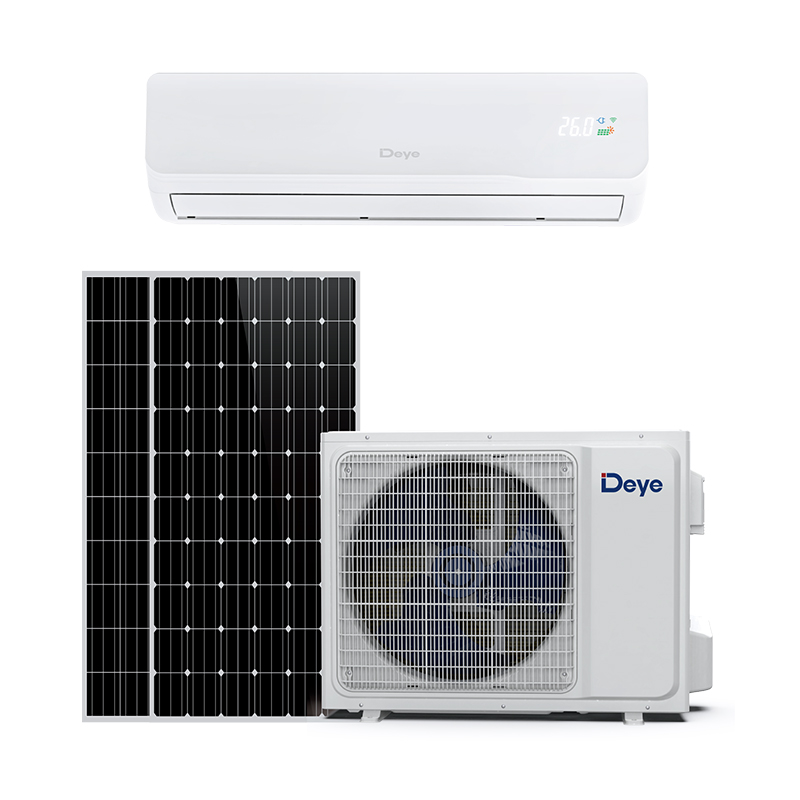
-1.jpg)
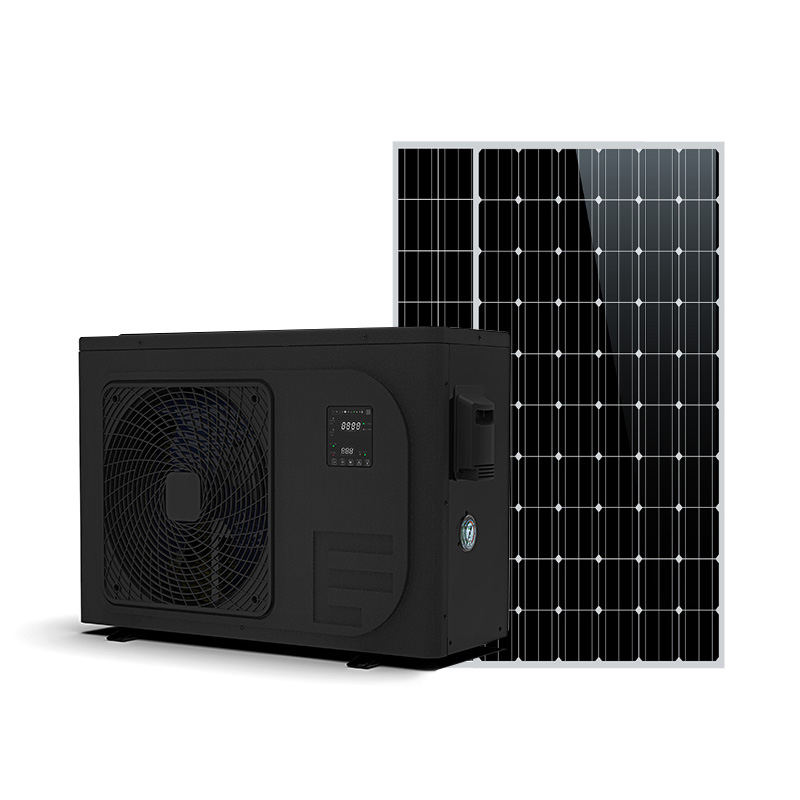
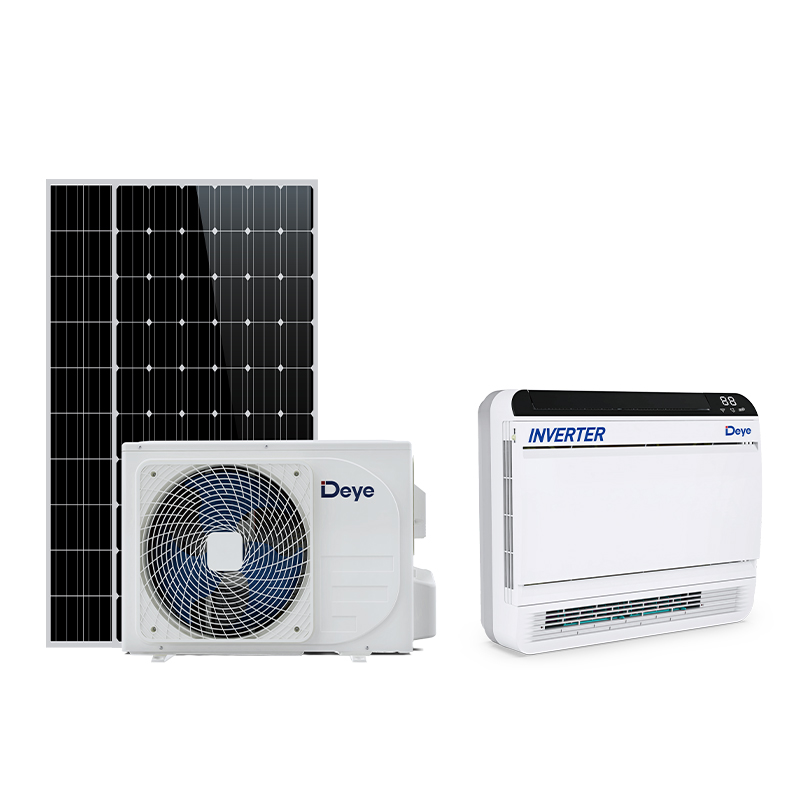
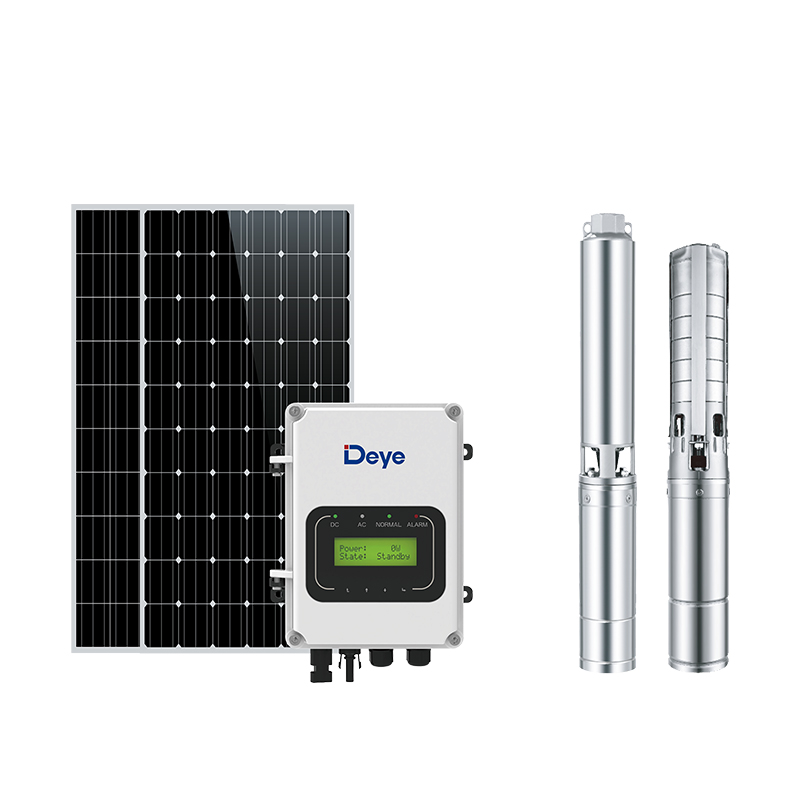
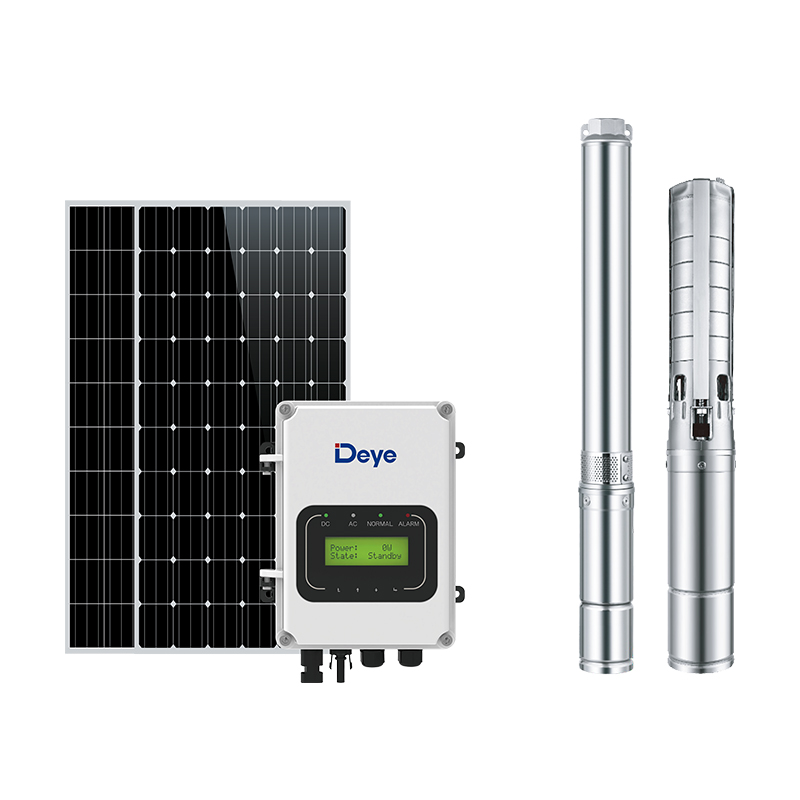
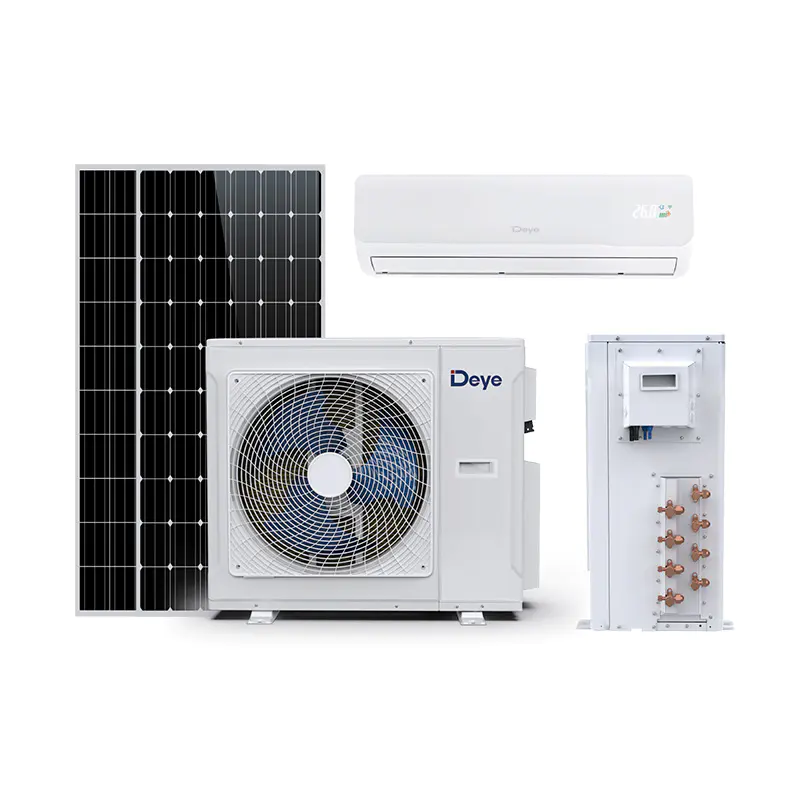

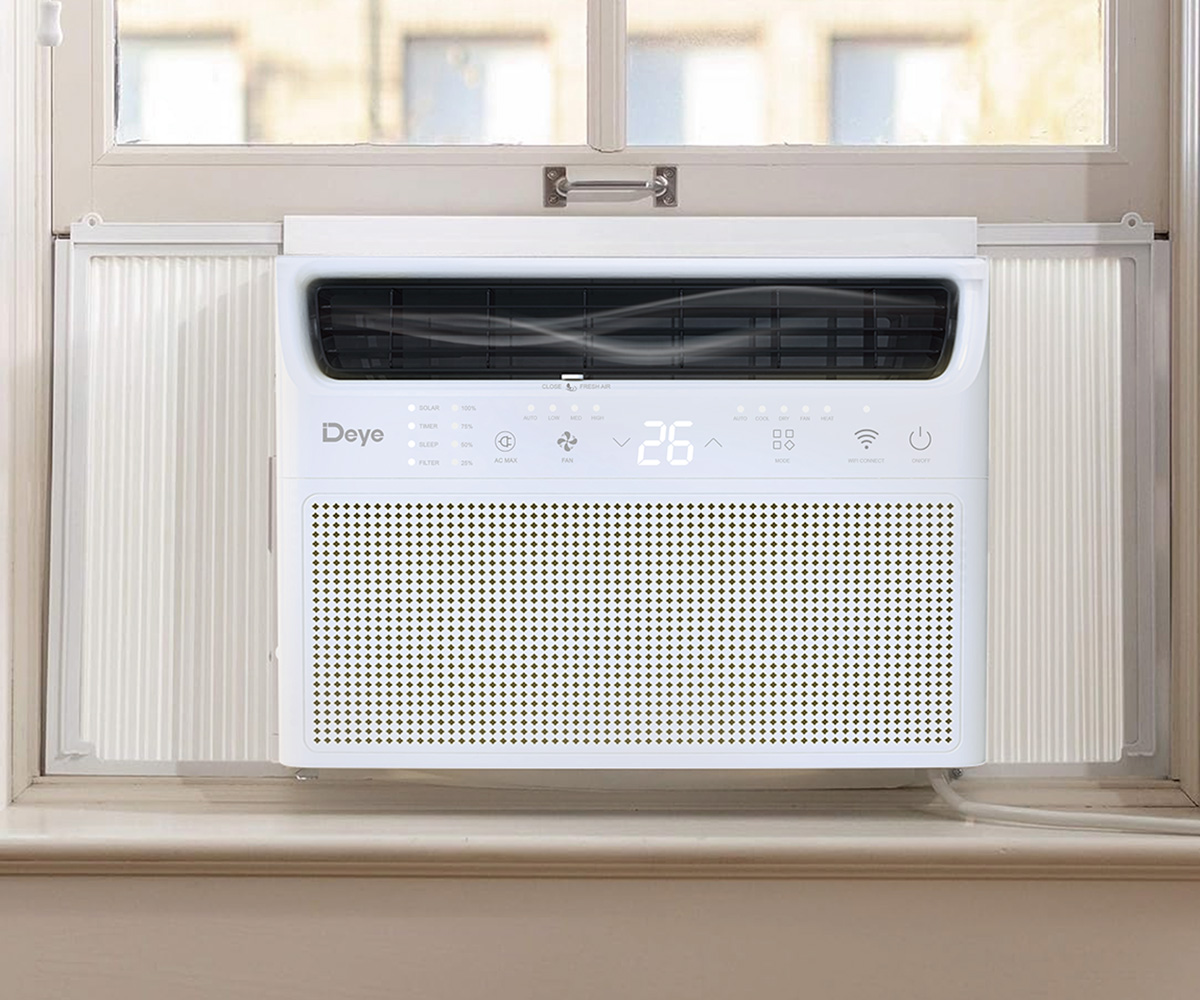
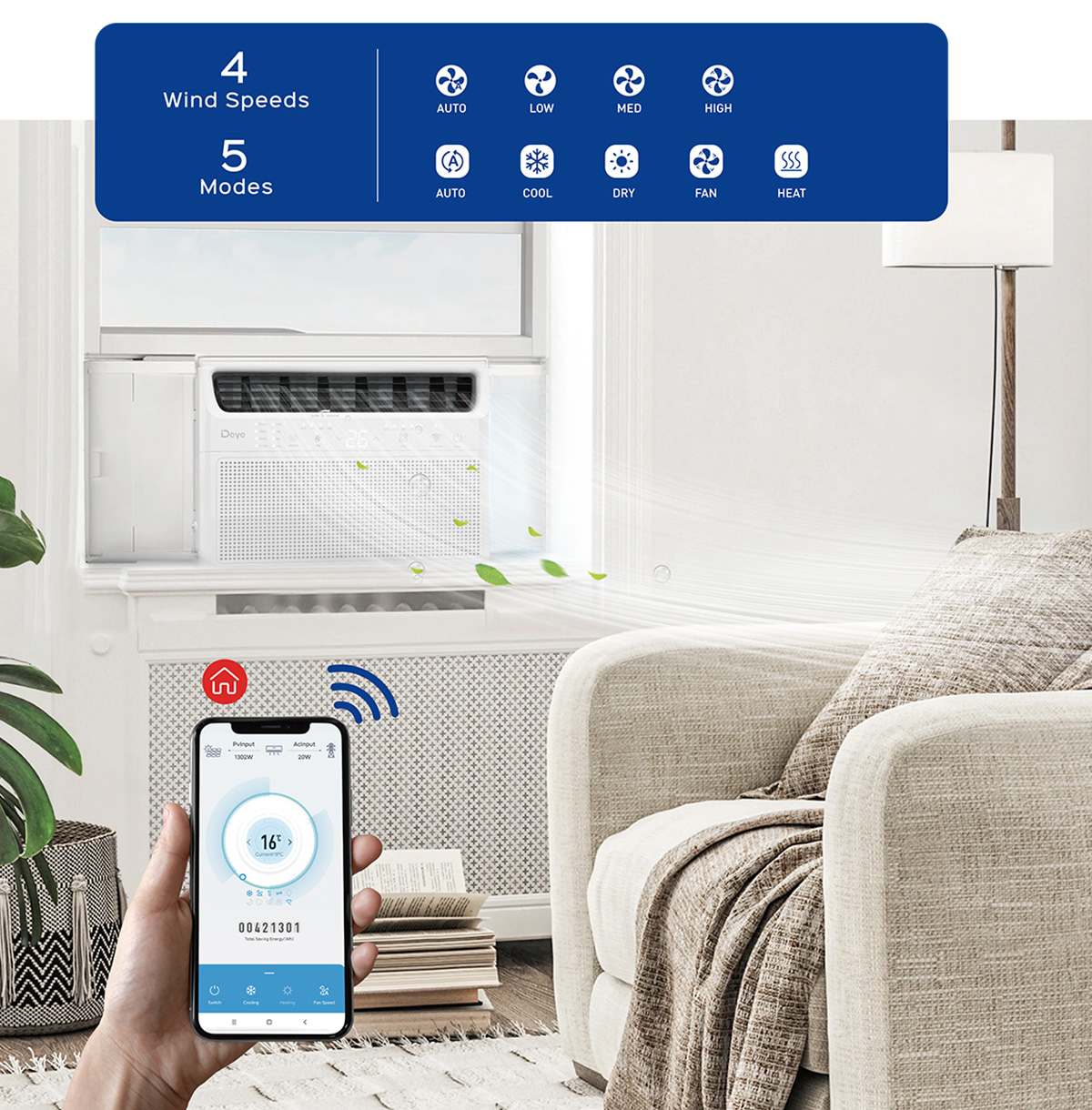


In an era defined by a growing commitment to sustainability and energy independence, solar window AC units are rapidly moving from a niche product to a mainstream cooling solution. As temperatures rise globally and electricity costs continue to climb, consumers are seeking more efficient and eco-friendly ways to manage their home's climate. Solar window air conditioners, which harness the power of the sun to provide cool air, represent a significant leap forward in residential cooling technology. They offer a tangible way to reduce your carbon footprint, lower energy bills, and leverage the abundant power of renewable energy. This guide will explore everything you need to know about this innovative technology, from how it works to how you can choose and install the perfect unit for your home.
This widespread adoption is no surprise to companies like Deye Technology Group. Since its founding in 1990 by Mr. Zhang Hejun, Deye has been at the forefront of technological innovation, mastering the core algorithms for DC inverter controllers and applying its expertise to a wide range of products, including solar inverters and heat pumps. This pioneering spirit led to the development of our solar air conditioners, which have been sold to over 20 countries since 2020, demonstrating a global demand for intelligent, energy-saving solutions. At Deye, our mission is to "Create a more healthy and intelligent environment for human beings through scientific and technology innovation," and solar window AC units are a perfect embodiment of that vision. They provide a practical, sustainable, and cost-effective way for people everywhere to enjoy a comfortable living space while actively contributing to a cleaner, greener future.
What is a Solar Window AC Unit?
A solar window AC unit is an innovative cooling appliance that uses energy from the sun to power its operation. Unlike traditional window AC units that rely solely on grid electricity, these units significantly reduce or even eliminate your dependence on the public power grid during daylight hours, when cooling demand and electricity costs are highest.
How They Work
At its core, a solar window AC unit functions much like a conventional air conditioner, using a refrigerant cycle to remove heat and moisture from a room. The key difference lies in its power source. A typical system consists of a few essential components:
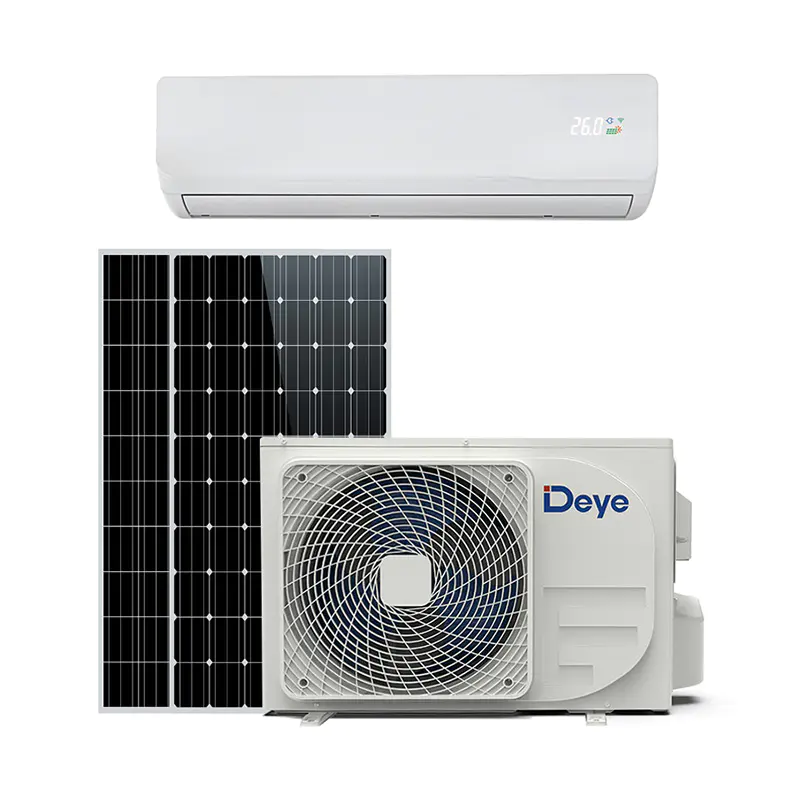
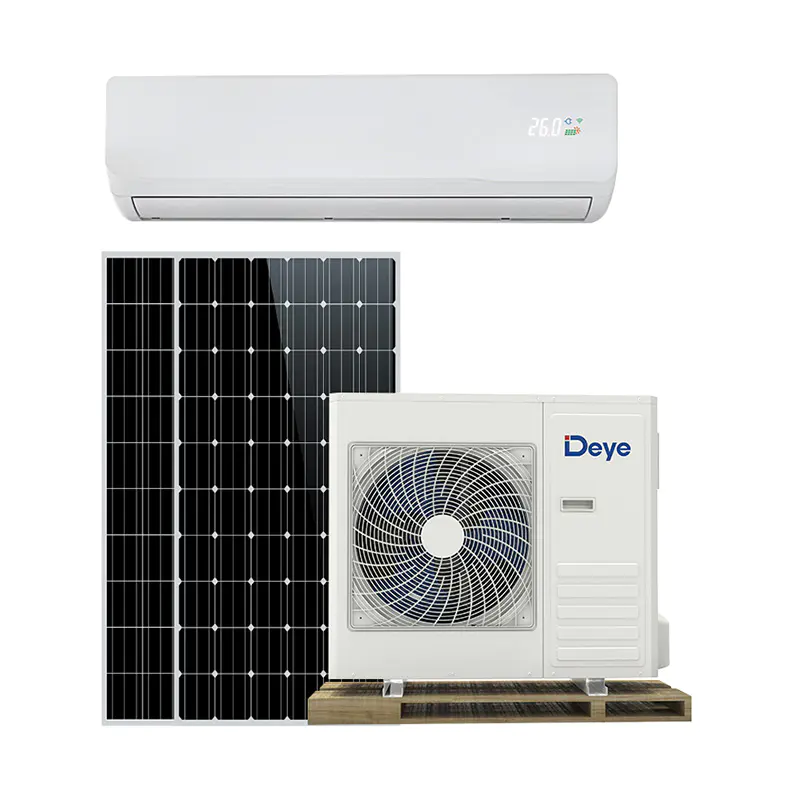
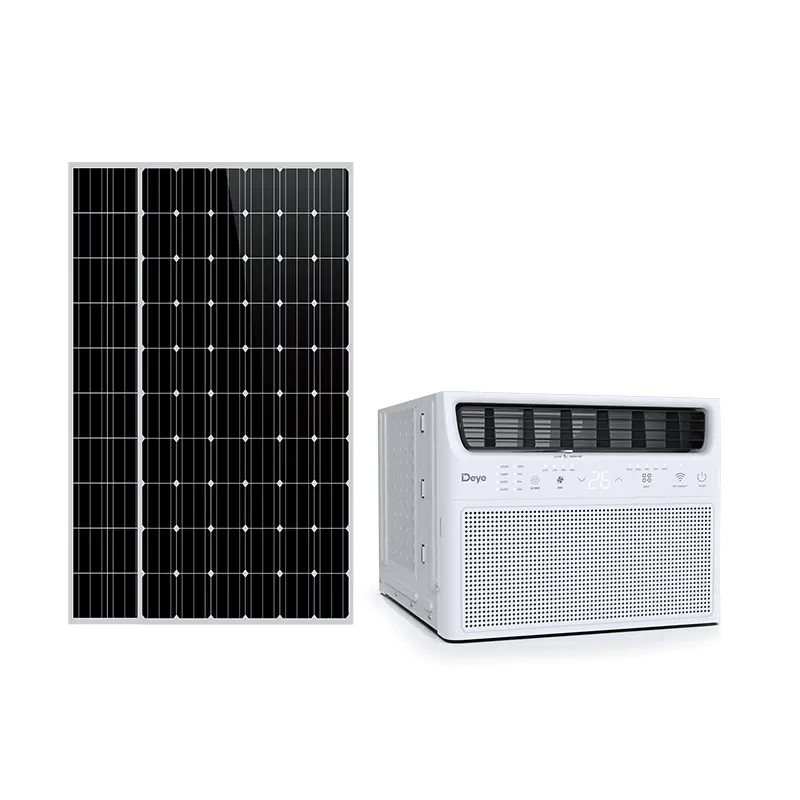
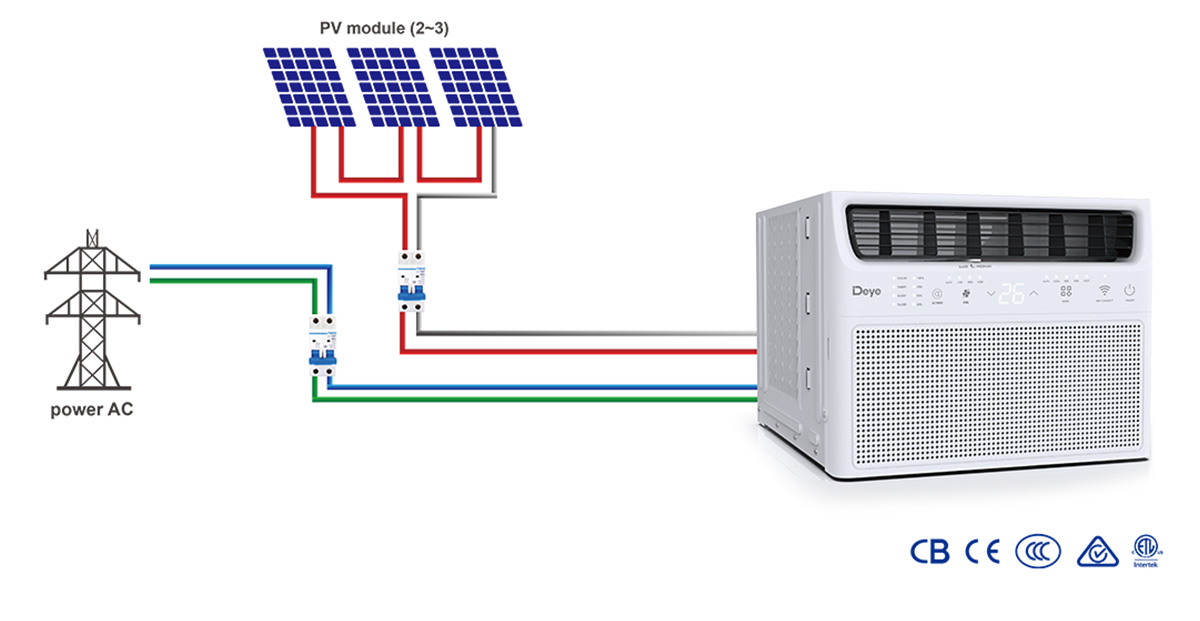
- Photovoltaic (PV) Panels: These are the heart of the system. Mounted outside, often on a roof, balcony, or a dedicated stand, these panels capture sunlight and convert it into direct current (DC) electricity.
- The AC Unit: This is the indoor portion of the system, a standard-looking window unit with a compressor, fan, and coils. The unique feature is its internal technology, which is designed to accept and process DC power directly from the solar panels.
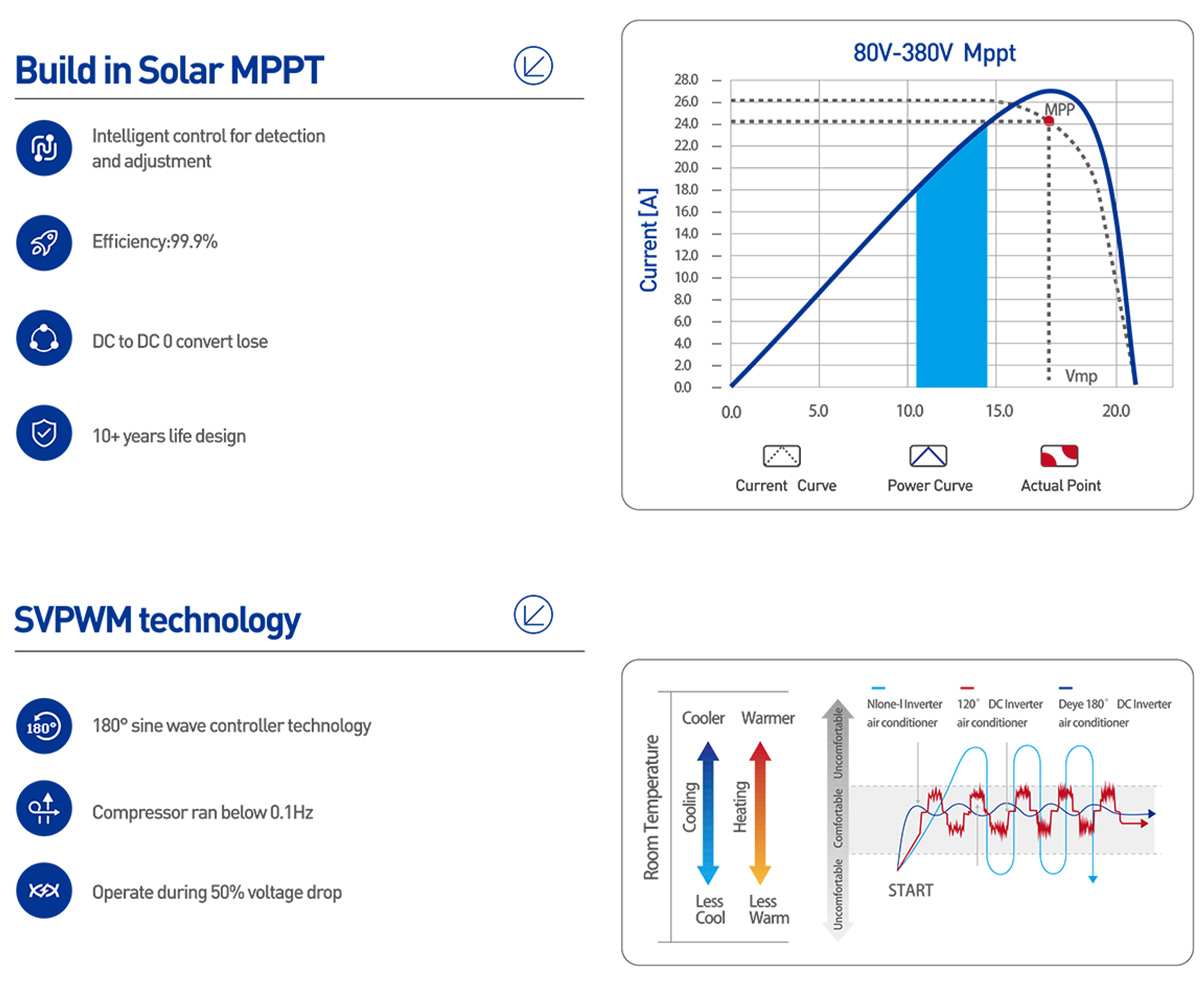
- DC Power Controller: This critical component manages the flow of electricity, ensuring the unit receives a stable and appropriate voltage from the solar panels, preventing damage from fluctuations in solar output.
Deye, a leader in inverter technology since 2007, has leveraged its expertise to develop highly efficient solar air conditioners. By mastering the core algorithm for 180° sine wave DC inverter controllers, we've created units that can seamlessly operate on DC power, maximizing the efficiency of the solar energy generated and providing a consistent cooling experience.
Types of Solar Window AC Units
Not all solar AC units are created equal. They can be categorized into two main types based on their power usage:
Hybrid AC/DC Models:
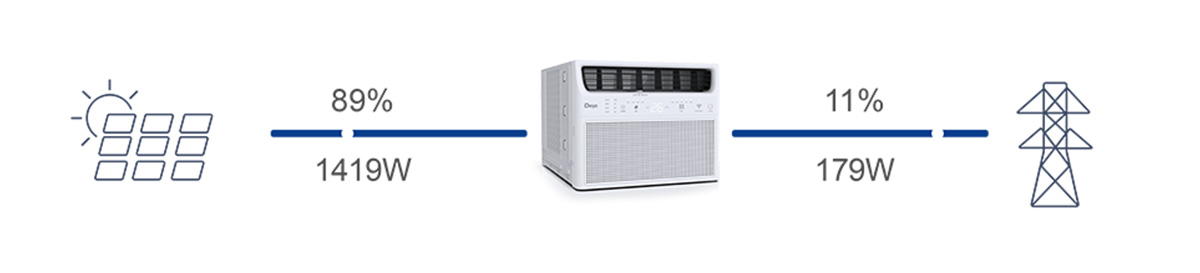
- Functionality: These are the most common and practical choice for most homeowners. They are designed to operate primarily on DC power from solar panels. However, they are also connected to the traditional AC grid. When solar power is insufficient (e.g., on a cloudy day or at night), the unit automatically and seamlessly switches to grid electricity to maintain continuous operation.
- Key Advantage: Uninterrupted cooling. You get the benefit of free solar power during the day without sacrificing comfort at night or when the sun isn't shining.
Fully Solar-Powered Units:
- Functionality: These units are designed to run exclusively on solar power and are often used in off-grid applications. They require a battery bank to store excess solar energy collected during the day, which can then be used to power the unit after sunset.
- Key Limitation: The cooling is only available as long as there is power from the panels or stored in the batteries. If the battery bank is depleted, the unit will stop working until the panels can generate power again.
Parameter Comparison:
| Feature | Hybrid AC/DC Solar AC | Fully Solar-Powered AC |
|---|---|---|
| Primary Power Source | DC (Solar) | DC (Solar) |
| Backup Power Source | AC (Grid) | DC (Battery Bank) |
| Grid Connection Required? | Yes | No |
| Requires Batteries? | No (but can be added) | Yes |
| Typical Use Case | On-grid residential, cost savings | Off-grid applications, cabins, RVs |
| Continuous Operation | Yes, 24/7 | Dependent on sun and battery capacity |
Benefits of Solar Window AC Units
The decision to install a solar window AC unit is more than just an upgrade; it's a strategic investment in your home's financial and environmental future. These units offer a compelling combination of benefits that address some of the most pressing concerns of modern life: rising energy costs and climate change.
Cost Savings
This is often the primary motivator for making the switch. Air conditioning is a significant energy consumer, especially during peak hours on hot summer days when utility rates are at their highest. By using solar power, a solar window AC unit can drastically reduce or even eliminate your electricity bill for cooling. Since the unit runs most efficiently when the sun is shining brightest—the same time you need it most—it directly offsets the most expensive hours of energy consumption. The long-term savings can quickly add up, often leading to a relatively short payback period on your initial investment.
Environmental Impact
The benefits of solar power extend far beyond your wallet. Traditional air conditioners contribute to a significant portion of a household's carbon footprint. By using clean, renewable solar energy, these units help reduce the demand for electricity generated from fossil fuels. This leads to a direct reduction in greenhouse gas emissions and other pollutants associated with power generation. The environmental mission of Deye is to "Create a more healthy and intelligent environment for human beings through scientific and technology innovation," and our solar air conditioners are a testament to this commitment, allowing homeowners to play an active role in combating climate change.
Energy Efficiency
Solar window AC units are designed with efficiency in mind. Many, like those from Deye, utilize advanced DC inverter technology. Unlike conventional AC units that constantly cycle on and off (leading to energy waste), inverter-driven compressors can vary their speed to precisely match the cooling load. This results in smoother operation, better temperature control, and a substantial reduction in energy consumption. The efficiency of a solar AC unit is measured by standard ratings such as BTU (British Thermal Unit), SEER (Seasonal Energy Efficiency Ratio), and EER (Energy Efficiency Ratio). A higher SEER or EER rating indicates a more efficient unit, translating to greater savings and performance.
Government Incentives
To encourage the adoption of renewable energy, many governments offer financial incentives. These can come in the form of tax credits, rebates, and grants at the federal, state, or local level. For example, in the United States, homeowners may be eligible for a significant federal tax credit that can cover a percentage of the total cost of a solar energy system, including the solar panels and associated equipment. These incentives can make the initial investment much more affordable and accelerate your return on investment. It's important to research what programs are available in your specific area.
Types of Solar Window AC Units
When exploring solar window AC units, it's essential to understand the different types available, each with its own functionality and ideal application. The choice often comes down to your cooling needs, budget, and desire for off-grid independence.
Hybrid AC/DC Solar Air Conditioners
This is the most popular and practical option for most residential applications. A hybrid AC/DC solar air conditioner is designed to use DC power directly from solar panels as its primary energy source. However, it also has the capability to seamlessly switch to traditional AC grid power when solar energy is insufficient.
- How they work: The unit's intelligent internal controller, a core technology that Deye has mastered since 2007, detects the amount of solar power being generated. During peak sun hours, the compressor and fan operate on the free DC power from the panels. As the sun sets or if clouds roll in, the system automatically draws supplemental power from your home's electrical grid to maintain continuous cooling. This eliminates the need for expensive battery banks and ensures uninterrupted comfort.
- Ideal for: Homeowners who want to significantly reduce their electricity bills and carbon footprint without sacrificing reliability. These units are a perfect "set it and forget it" solution.
Fully Solar-Powered (Off-Grid) Units
These units are designed for total energy independence, relying exclusively on solar power and a battery storage system.
- How they work: During the day, solar panels not only power the AC unit but also charge a connected battery bank. This stored energy is then used to operate the unit at night or during periods of low sunlight.
- Ideal for: Off-grid living, remote cabins, or emergency cooling systems where a connection to the public grid is not available or desired.
- Limitations: This setup requires a substantial initial investment in a battery bank and a charge controller, which can be expensive. The cooling duration is limited by the size of the battery bank and the amount of sun available for charging.
Portable Solar AC Units
Portable units offer a flexible cooling solution that can be moved from room to room.
- How they work: Similar to other portable ACs, they are all-in-one units with an exhaust hose that vents hot air through a window. To make them "solar," they are typically paired with a portable solar generator (a combination of solar panels, a battery, and an inverter). The panels charge the generator's battery, and the AC unit plugs into the generator.
- Ideal for: Renters, RV owners, or those who need targeted, temporary cooling.
- Limitations: They are generally less energy-efficient than dedicated window or split units and take up floor space. Their cooling capacity (BTU) is often lower, making them suitable for smaller areas.
Parameter Comparison:
| Feature | Hybrid AC/DC | Fully Solar-Powered | Portable Solar AC |
|---|---|---|---|
| Primary Power Source | Solar (DC) | Solar (DC) | Solar Generator |
| Backup Power | Grid (AC) | Battery Bank (DC) | Grid/Generator |
| Requires Battery? | No (optional) | Yes | Yes (integrated) |
| Grid Connection? | Yes | No | Can be connected to grid via generator |
| Continuous Cooling | Yes, with grid backup | Limited by battery life | Limited by battery life |
| Upfront Cost | Moderate | High (due to batteries) | Low to Moderate |
| Installation | Moderate (panels to unit) | Complex (panels, batteries, controller) | Very Easy (plug and play) |
How to Choose the Right Solar Window AC Unit
Selecting the perfect solar window AC unit involves more than just picking a model that looks good. To maximize your energy savings and ensure optimal cooling performance, you need to consider several key factors. At Deye, we believe in providing our customers with professional and dedicated service, which includes empowering you with the knowledge to make an informed decision.
Size and Cooling Capacity (BTU)
The most critical factor is ensuring the unit is appropriately sized for the room you want to cool. An AC unit's cooling capacity is measured in British Thermal Units (BTU).
- If the BTU is too low: The unit will struggle to cool the space, run constantly, and never reach the desired temperature, leading to high energy consumption and poor performance.
- If the BTU is too high: The unit will cool the room too quickly and shut off before it can effectively dehumidify the air. This leads to a clammy, uncomfortable feeling and can also cause the unit to "short-cycle," which increases wear and tear on the compressor.
How to calculate the right BTU:
A good rule of thumb is to calculate approximately 20 BTU per square foot of living space.
- Step 1: Measure the length and width of the room in feet.
- Step 2: Multiply the length by the width to get the square footage.
- Step 3: Multiply the square footage by 20 to get the approximate BTU needed.
Example: For a room that is 12 feet long and 15 feet wide (180 sq. ft.), the calculation would be: $180\ ft^2 \times 20\ BTU/ft^2 = 3,600\ BTU$ In this case, a 5,000 BTU unit would be a good fit, as it's the smallest standard size and can handle a room of up to 250 sq. ft.
Adjustments for specific conditions:
- Sunny rooms: Add 10% to the BTU calculation.
- Shaded rooms: Subtract 10% from the BTU calculation.
- Kitchens: Add 4,000 BTU due to heat-generating appliances.
- Occupancy: Add 600 BTU for each person beyond the first two who regularly occupies the room.
Energy Efficiency Ratings (SEER & EER)
When it comes to solar AC, efficiency is paramount. These ratings help you compare how well different units convert energy into cooling power.
- SEER (Seasonal Energy Efficiency Ratio): This rating measures the efficiency of a unit over an entire cooling season. A higher SEER rating indicates a more efficient unit, which means lower energy consumption over time. Modern units typically have a SEER rating of 14 or higher.
- EER (Energy Efficiency Ratio): This rating measures a unit's efficiency under a specific, single operating condition (95°F outside, 80°F inside). A higher EER is especially important in consistently hot climates, as it reflects the unit's performance during peak heat. For window units, a good EER rating is typically 10.0 or higher.
Deye's solar air conditioners are built on our core competency in DC inverter technology, ensuring high SEER and EER ratings to deliver maximum cooling with minimal energy use.
Installation Requirements
While solar window AC units are designed for straightforward installation, it’s important to understand what is needed.
- Space: You must have a window of the appropriate size to accommodate the unit.
- Mounting: The solar panels need to be mounted in a location that receives ample, unobstructed sunlight throughout the day. This could be on a roof, a balcony, or a dedicated ground mount. The length of the included cables should be sufficient to connect the panels to the unit.
- Electrical connection: Even hybrid units require a standard electrical outlet to operate on grid power.
Budget
The cost of a solar window AC unit is higher than a conventional model, but the long-term savings often make it a wise investment.
- Price Range: Prices for the unit itself can range depending on BTU and features.
- Total Cost: The overall investment includes the unit, the solar panels, mounting hardware, and any potential labor costs if you opt for professional installation.
Installation Guide
Installing a solar window AC unit is a straightforward process that combines the steps for a standard window AC with the additional task of mounting and connecting solar panels. While we recommend professional installation for optimal safety and performance, especially for more complex setups, a DIY approach is possible for those with some technical expertise.
Step-by-Step Instructions:
- Assess the Location: Before you begin, identify the ideal locations for both the AC unit and the solar panels. The window for the AC unit should be sturdy and correctly sized. For the solar panels, choose a spot that receives the most direct, unobstructed sunlight throughout the day. This could be a south-facing rooftop, a balcony, or a dedicated ground mount.
- Mount the Solar Panels: Securely attach the solar panels to their designated location using the provided mounting brackets. Ensure the angle is optimized for your latitude to capture maximum sunlight. Once mounted, run the DC cables from the panels to the location where your AC unit will be installed.
- Prepare the Window: Clean the window frame and windowsill. Ensure there are no obstructions. For many Deye units, the included mounting kit will have side panels that extend to fill the window gap.
- Install the AC Unit: With the help of a partner, carefully lift the AC unit and place it in the window frame. Make sure the unit is level or has a slight downward tilt towards the outside to allow for proper drainage of condensation. Secure the unit using the included brackets, screws, and side panels to create a tight seal and prevent air leaks.
- Connect the Cables: This is the most crucial step. Connect the DC cables from the solar panels to the designated DC input port on the back of the AC unit. For hybrid models, you will also need to plug the unit into a standard AC electrical outlet. Deye's products are designed with user-friendly connections, but always follow the detailed wiring diagram in the user manual to ensure a safe and proper setup.
- Test the System: Once all connections are secure, turn the unit on. Test its functionality during the day to ensure it operates correctly on solar power. If you have a hybrid model, verify that it seamlessly switches to grid power when needed.
Tips for Optimal Performance and Safety:
- Read the Manual: Always refer to the manufacturer's installation manual. Each unit may have specific requirements.
- Safety First: Disconnect all power sources and wear protective gear (gloves, safety glasses) during the electrical connection steps.
- Seal Gaps: Use foam seals or weather stripping to fill any gaps around the unit to prevent hot air and insects from entering.
- Professional Help: If you are not comfortable with electrical work, it is highly recommended to hire a qualified professional to ensure a safe and code-compliant installation.
Maintenance and Care
Regular maintenance is key to the longevity and efficiency of your solar window AC unit. A well-maintained unit will perform better, consume less energy, and require fewer repairs over its lifespan.
Regular Maintenance Tasks:
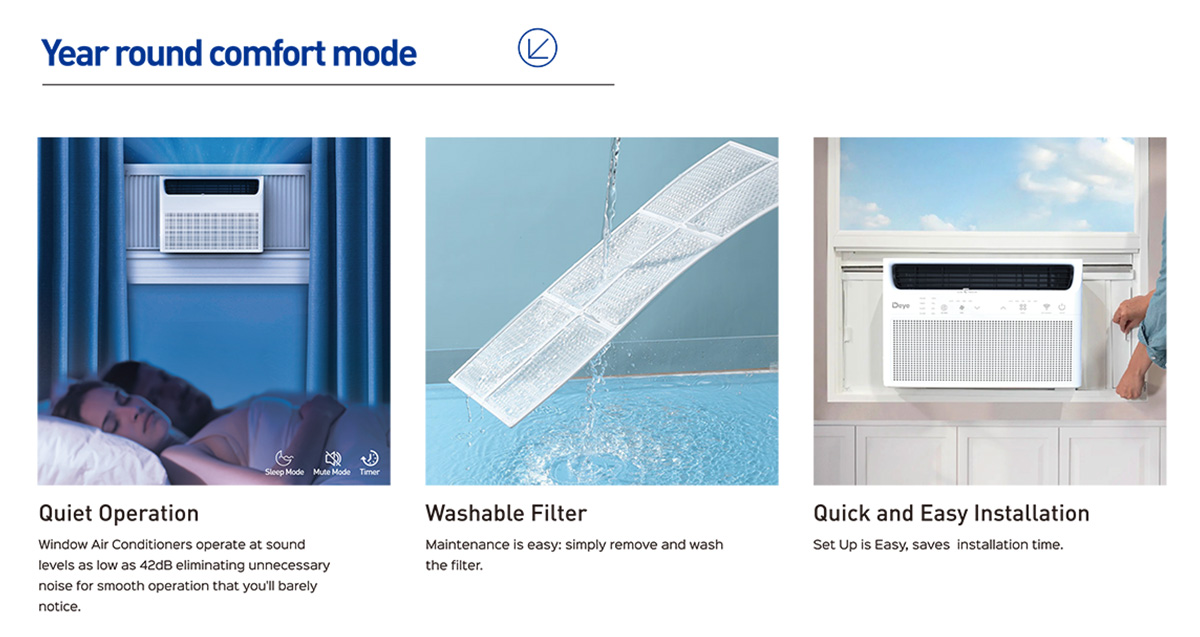
- Clean the Air Filter: This is the single most important maintenance task. A dirty filter restricts airflow, forcing the unit to work harder and reducing cooling efficiency. Clean or replace the filter every 2-4 weeks, especially during heavy use periods.
- Clean the Solar Panels: Periodically clean the solar panels to remove dirt, dust, pollen, and debris that can accumulate and block sunlight. A simple hose-down is often sufficient, but a soft brush and soapy water can be used for more stubborn grime.
- Inspect the Coils: The evaporator coil (inside) and condenser coil (outside) can collect dirt over time. Carefully clean them with a soft brush or a specialized coil cleaner to maintain optimal heat transfer.
- Clear the Drainage: Ensure the condensation drain hole is free of blockages. A clogged drain can cause water to leak into your home. A stiff wire or pipe cleaner can be used to clear any clogs.
- Check Electrical Connections: Periodically inspect all cables and connections for signs of wear, corrosion, or looseness. Secure any loose connections to prevent power loss and potential safety hazards.
Troubleshooting Common Issues:
- Unit Not Cooling: Check the air filter first. If it's clean, ensure the solar panels are receiving adequate sunlight. For hybrid units, check that the unit is properly plugged into the grid. A frozen evaporator coil can also be a cause, which may indicate a refrigerant issue.
- Water Leaking Indoors: The unit may not be tilted correctly or the drain line could be clogged. Adjust the unit's tilt or clear the drain.
- Unit Not Turning On: Check the power supply and circuit breaker. For solar-powered units, ensure the panels are generating enough voltage or that the battery bank is charged.
At Deye, our commitment to dedication and professionalism extends beyond the sale. We design our solar AC units for durability and ease of maintenance, and our customer support is available to assist with troubleshooting to ensure your unit provides reliable, eco-friendly cooling for years to come.
Cost Analysis
While the initial investment in a solar window AC unit is higher than a traditional model, the financial benefits over its lifespan make it a sound and strategic choice. At Deye, we are committed to transcendence, which means looking beyond the immediate price tag to the long-term value our products deliver.
Initial Investment vs. Long-Term Savings
The purchase of a solar AC unit is a direct investment in reducing your future energy costs. The most significant savings come from using solar power during peak hours, when electricity rates are at their highest. By providing your own power for cooling, you are effectively locking in your energy costs and protecting yourself from unpredictable utility rate hikes.
Factors Affecting the Overall Cost
The total cost of your solar window AC setup is determined by several key components:
- The AC Unit: The price of the unit itself depends on its cooling capacity (BTU) and its energy efficiency ratings (SEER and EER). Higher-capacity and more efficient units will have a higher upfront cost but will also provide greater savings over time.
- Solar Panels: The cost of the panels is a major factor. The number and type of panels needed depend on the unit's power consumption and the amount of sunlight in your location. The average cost per watt for solar panels has been steadily decreasing, making this technology more accessible than ever.
- Installation and Hardware: This includes the cost of mounting brackets, wiring, and the labor for installation. While a DIY installation can save money, professional installation ensures safety and optimal performance.
- Optional Battery Storage: For fully solar-powered units, the addition of a battery bank significantly increases the initial cost. However, it also provides the benefit of off-grid operation and cooling at night.
Cost Comparison: Solar vs. Traditional
| Cost Factor | Traditional Window AC | Hybrid Solar Window AC |
|---|---|---|
| Initial Purchase & Installation | Lower | Higher |
| Daily Energy Cost | High (especially during peak hours) | Low to Zero (during sunny hours) |
| Maintenance Costs | Similar (filter cleaning, etc.) | Similar (with added panel cleaning) |
| Monthly Electricity Bill | High (cooling is a major portion) | Significantly reduced or eliminated for cooling |
| Return on Investment (ROI) | None (an expense) | Significant (pays for itself over time) |
Over time, the cumulative monthly savings on your electricity bill will offset the higher initial cost of the solar unit. Many homeowners find that their investment is paid back within a few years, and for the remaining lifespan of the unit (often 10-15 years or more), the cooling is essentially free. This not only makes financial sense but also aligns with the vision of Deye Technology, which strives to make sustainable and intelligent living accessible and beneficial for everyone.
Environmental Impact
The shift from traditional cooling to solar window AC units is a powerful step towards a more sustainable future. The environmental benefits of using solar AC are not just theoretical; they can be quantified in terms of reduced carbon footprint and a smaller overall impact on the planet.
Quantifying the Environmental Benefits
Air conditioning is a major consumer of electricity, and a significant portion of this power is still generated by burning fossil fuels like coal and natural gas. This process releases vast amounts of carbon dioxide ($CO_2$) and other greenhouse gases into the atmosphere, contributing to climate change.
A solar AC unit, on the other hand, operates on clean, renewable energy from the sun. During its operation, it produces zero direct carbon emissions. While the manufacturing and transportation of solar panels and the unit itself do have a carbon footprint, the long-term benefit of decades of emission-free cooling far outweighs this initial impact. The "energy payback" for a solar panel—the time it takes for the panel to generate the amount of energy used to manufacture it—is typically only a few years, while the panel's operational lifespan can be 25 years or more.
Comparison of Carbon Footprint
- Traditional AC Units: The carbon footprint of a traditional AC is directly tied to the carbon intensity of your local power grid. For every kilowatt-hour (kWh) of electricity consumed, a certain amount of $CO_2$ is emitted. This amount varies significantly by region; a home in an area powered by coal-fired plants will have a much larger carbon footprint for the same amount of cooling than one in a region powered by hydropower or nuclear energy. On a hot summer day, a traditional unit can place a heavy load on the grid, often leading utilities to fire up older, less efficient, and more polluting "peaker plants" to meet demand.
- Solar Window AC Units: The operational carbon footprint of a solar AC unit is near zero. Since the power is generated on-site from sunlight, it bypasses the entire process of fossil fuel combustion for electricity. The result is a cooling solution that helps reduce the strain on the electrical grid and contributes to cleaner air. This is a core part of Deye's mission to "Create a more healthy and intelligent environment for human beings through scientific and technology innovation." Our solar-powered solutions align with a global movement towards decarbonization and offer a tangible way for individuals to make a difference in their everyday lives.
