

 Español
 русский
 Français
 Português
 Deutsch
 عربى
عربى italiano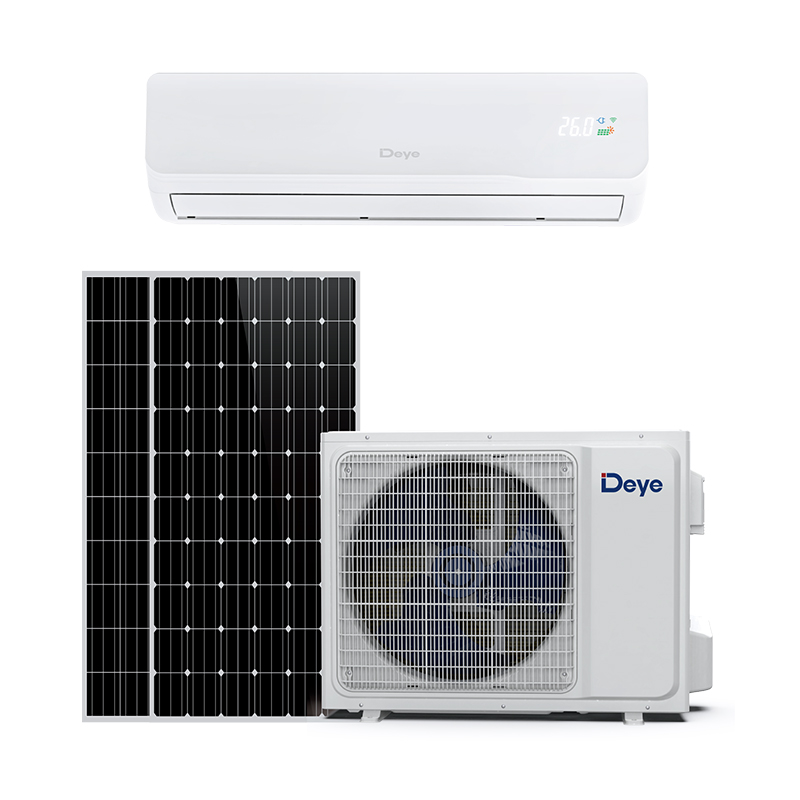
-1.jpg)
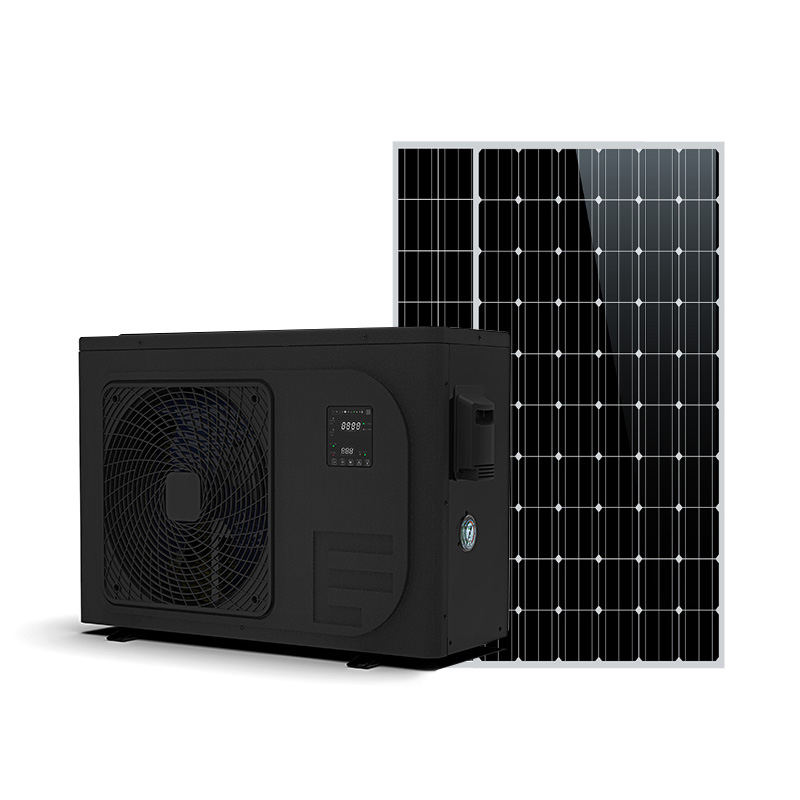
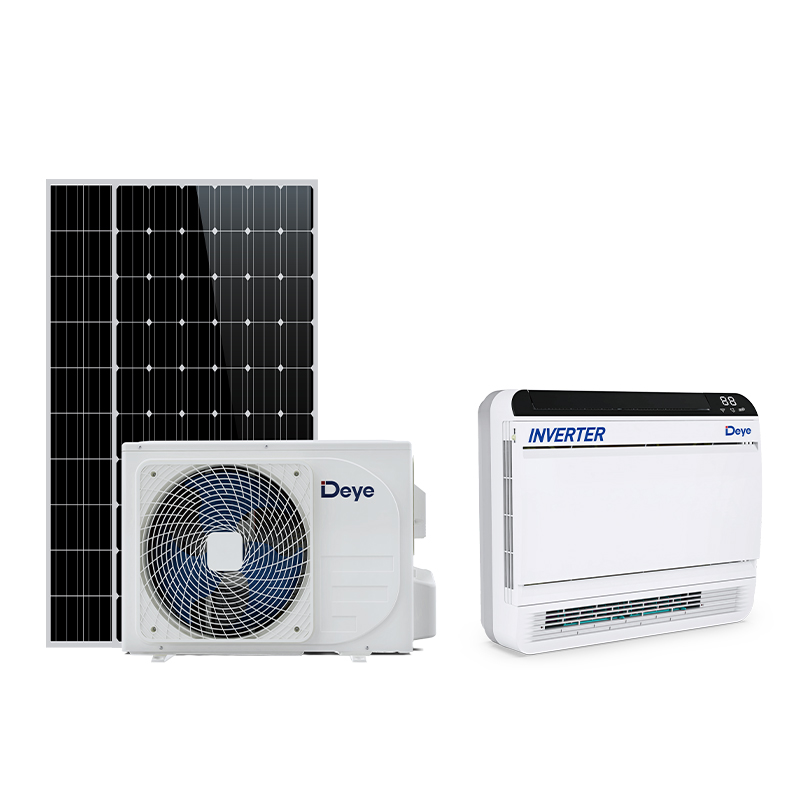
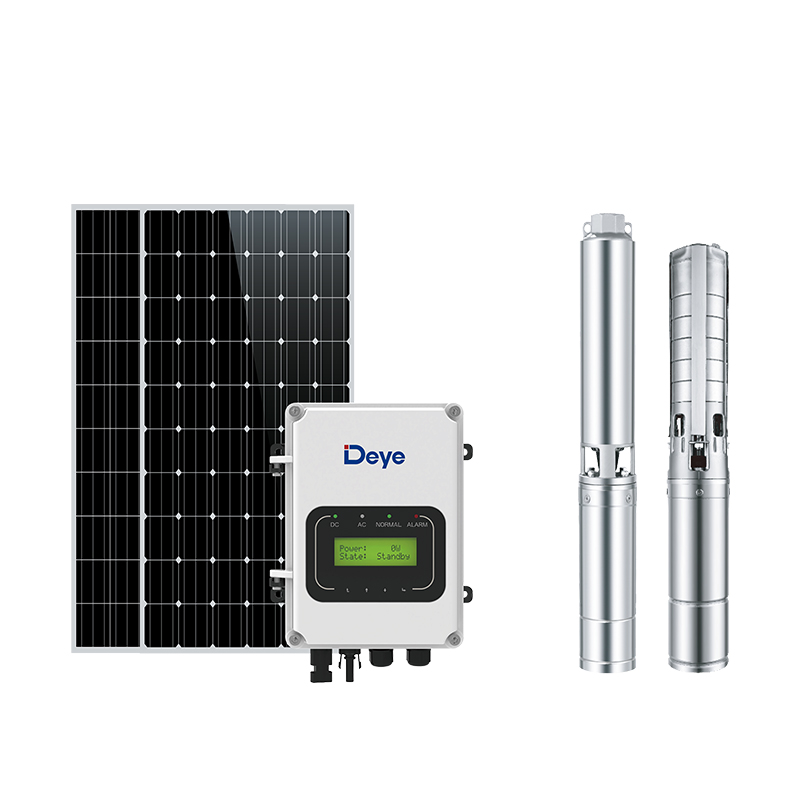
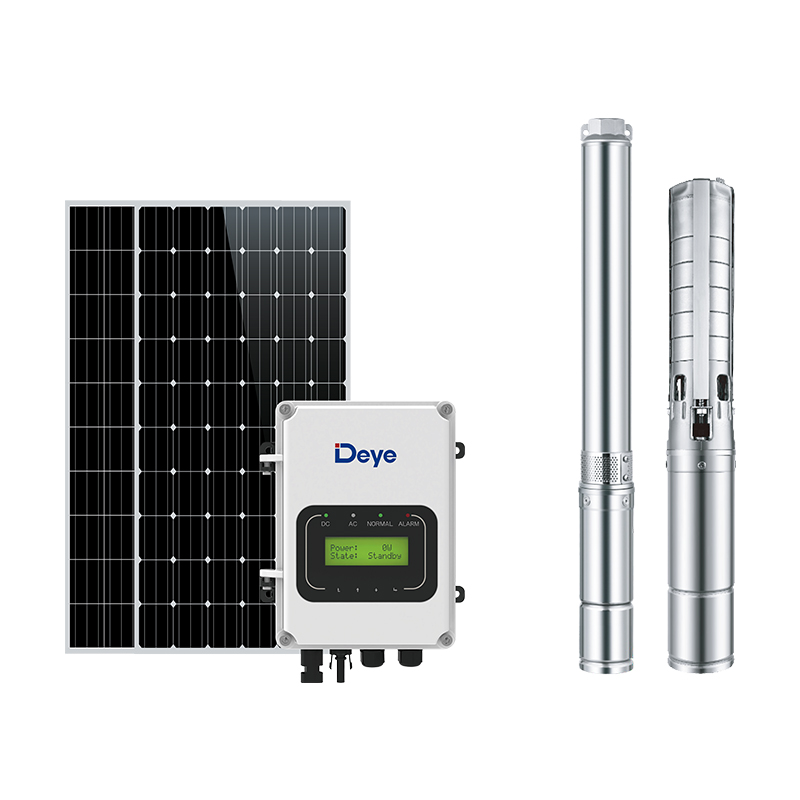
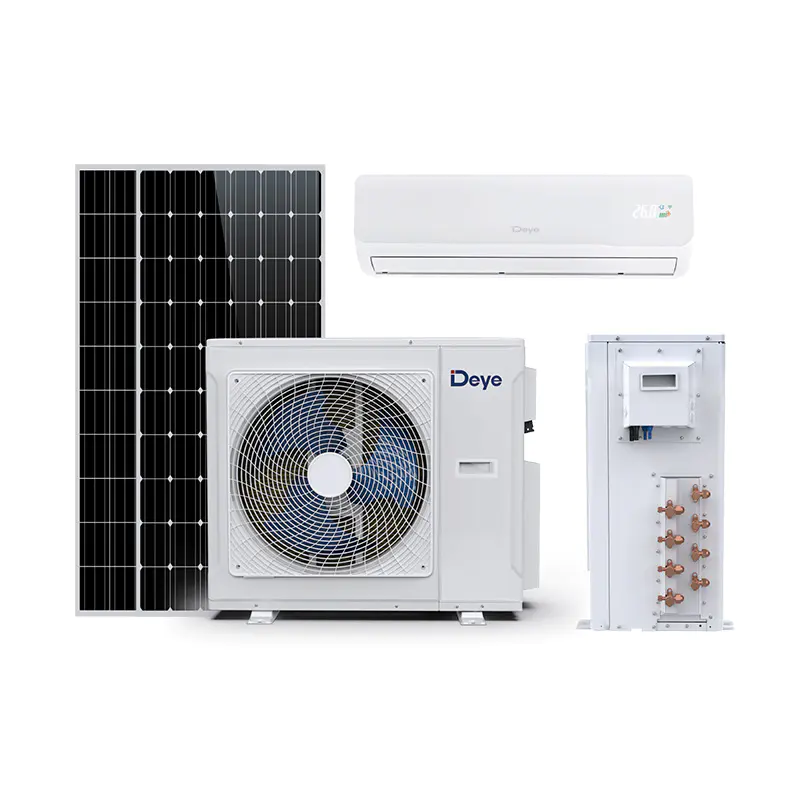

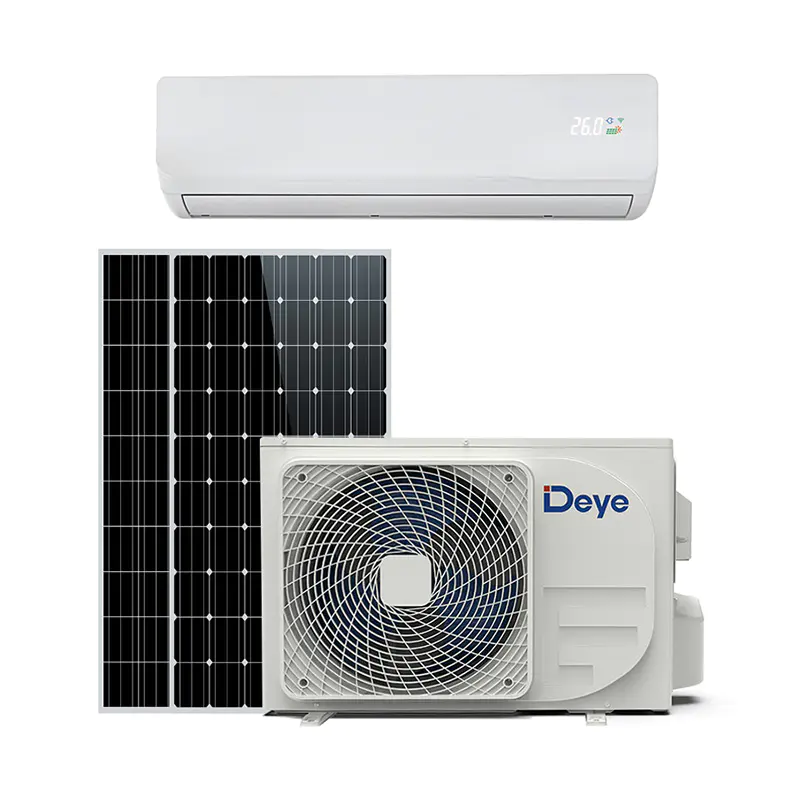
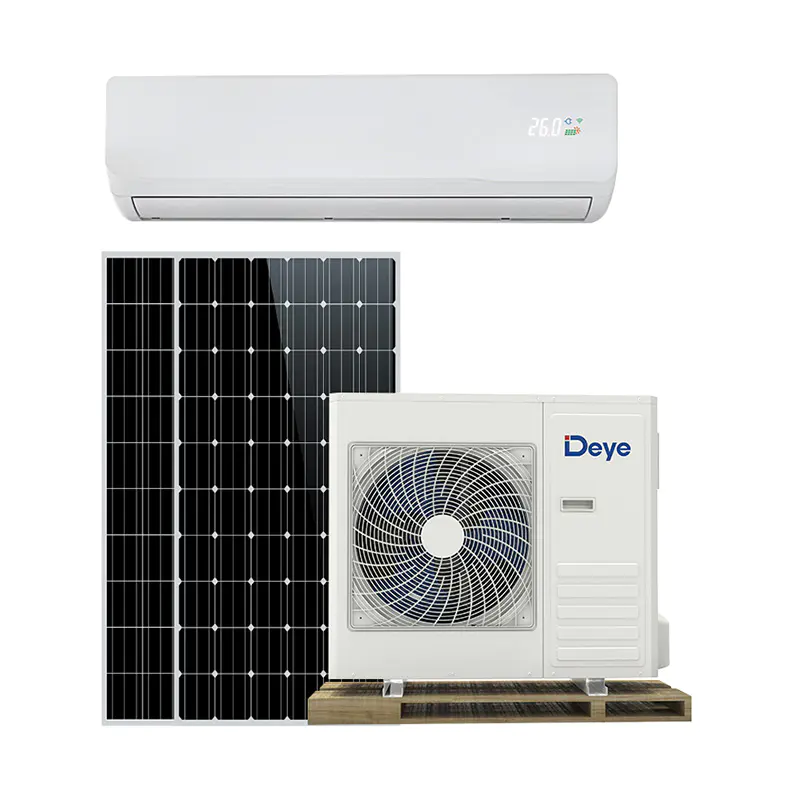
 DC Inverter
 WIFI control
 Hybrid Solar
I. Core Concept: What is a Solar Air Source Water Heater (Hybrid AC/DC)?
Definition and Working Principle
The Solar Air Source Water Heater (Hybrid AC/DC) is an advanced, integrated water heating solution that cleverly combines two highly efficient green energy technologies: the Air Source Heat Pump and Solar Photovoltaics (Solar PV) or Solar Thermal technology. The core objective of this system is to maximize the utilization of free natural energy while ensuring the continuity and cost-effectiveness of hot water supply through intelligent Alternating Current/Direct Current (AC/DC) switching.
- Air Source Heat Pump Technology Overview
The heat pump operates on the reverse Carnot cycle, using a small amount of electrical energy to drive a compressor, which converts low-temperature, low-pressure refrigerant into a high-temperature, high-pressure gas. This heat is then transferred to the water via a heat exchanger.
Emphasis is placed on the heat pump's efficiency, quantified by its Coefficient of Performance (COP). A quality air source heat pump system typically achieves a COP between 3.0 and 5.0. This means for every 1 unit of electricity consumed, the system draws 2 to 4 units of heat energy from the ambient air, yielding a total of 3 to 5 units of heat energy. This provides an overwhelming Energy Efficiency advantage over traditional resistance electric heaters (COP ≈ 1.0).
- Solar Application Overview
If Solar Thermal collectors are used, the explanation covers how they directly heat water or a transfer fluid.
The primary focus is on how Solar PV panels generate DC power, which is then used to power the heat pump, forming the core of the Hybrid AC/DC system.
Hybrid AC/DC Technology Explained
The “Hybrid AC/DC” technology is the crucial innovation of this water heater, overcoming the limitations of systems reliant on a single power source. This dual-source system guarantees that the most economical and efficient energy path is chosen under any operating condition.
| Operating Mode | Energy Source | Priority | Efficiency Consideration | Typical Scenario |
|---|---|---|---|---|
| DC Powered Water Heater | Solar PV Panels (DC power) | Highest | Maximum (Avoids inversion losses) | Daytime with ample sunlight |
| AC Powered Water Heater | Grid Electricity (AC power) | Backup / Nighttime | High (Due to heat pump's inherent COP) | Night, cloudy days, or insufficient solar generation |
- DC (Direct Current) Power Supply Mode
When solar power is abundant, the DC power generated by the PV panels is fed directly to the system. Drawing on the foundational expertise in DC inverter technology established by Ningbo Deye inverter Technology Co, Ltd (a company within the Deye Technology Group established in 1990) the modern Solar Air Source Water Heater efficiently utilizes DC variable frequency technology to directly run the heat pump compressor.
Core Advantage: By eliminating the need for an inverter to convert DC to AC, energy conversion losses are significantly reduced, maximizing the efficiency of solar energy utilization.
- AC (Alternating Current) Power Supply Mode
When sunlight is insufficient, or during the night when hot water is needed, the smart controller automatically and seamlessly switches to using grid electricity (AC power) to power the system.
The AC Powered Water Heater mode is the cornerstone of system reliability, ensuring a continuous supply of hot water 365 days a year.
- The “Hybrid” Advantage
The smart controller continuously monitors solar generation, tank temperature, and utility rates to automatically optimize the power strategy (prioritizing DC).
This maximizes the energy Self-Consumption rate, reducing reliance on the grid.
Why Choose a Solar Air Source Water Heater?
Choosing a Solar Air Source Water Heater (Hybrid AC/DC) represents a long-term, sustainable investment for both the home and the environment.
- Environmental Benefits
By extensively using solar energy and ambient heat, the system significantly reduces dependence on fossil fuel-generated electricity. This leads to a substantial reduction in carbon emissions, supporting Sustainable Living and creating a positive Environmental Impact.
- Cost Savings and Return on Investment (ROI)
The system offers dramatic operational cost savings. The high Energy Efficiency and use of free solar energy accelerate the system's Return on Investment (ROI) period.
The mature product lines in solar inverters, solar water pump controllers, and heat pump air conditioners, developed by Deye Technology Group since 2015, ensure top-tier Energy Efficiency and performance.
- Energy Efficiency and Performance
The system achieves superior comprehensive energy efficiency by combining the high COP of the heat pump with the zero-running cost of solar power.
The dual-mode operation guarantees stable and high-performance hot water supply even under varying weather conditions.
II. Types and Components of a Solar Air Source Water Heater
Types of Solar Air Source Water Heaters
It is essential to differentiate between the power modes to understand the unique benefits of the Hybrid AC/DC Models.
| Model Category | Power Source | Advantages | Limitations |
|---|---|---|---|
| AC Powered Models | Grid Electricity (AC power) | Inherently high heat pump efficiency (high COP), stable operation. | Complete reliance on the grid, cannot utilize solar energy, higher electricity costs. |
| DC Powered Models | Solar PV Only (DC power) | Near-zero running cost, maximum efficiency, highly environmentally friendly. | Hot water supply instability, operates only with sufficient sunlight, often requires storage. |
| Hybrid AC/DC Models | Smart switching between AC/DC power | Maximum Flexibility and Reliability, highest self-consumption rate, continuous water supply guarantee. | Higher initial investment, but superior long-term ROI. |
- AC Powered Models: Discussed as a reference for their high COP but limited by full reliance on AC power.
- DC Powered Models: Discussed for their maximum efficiency but limited by the need for continuous sunlight.
- Hybrid AC/DC Models: Advantages:
Flexibility and Reliability: The system can simultaneously use or automatically switch between AC power and DC power.
Economic Advantage: Maximizes the use of free solar energy, making it the most advanced and economical solar air source water heater solution on the market today. This solution is a direct result of the R&D focus on solar air conditioning and heat pump products pursued by Deye Technology Group since 2015, guaranteeing high performance and reliability.
Components of a Solar Air Source Water Heater (Entities)
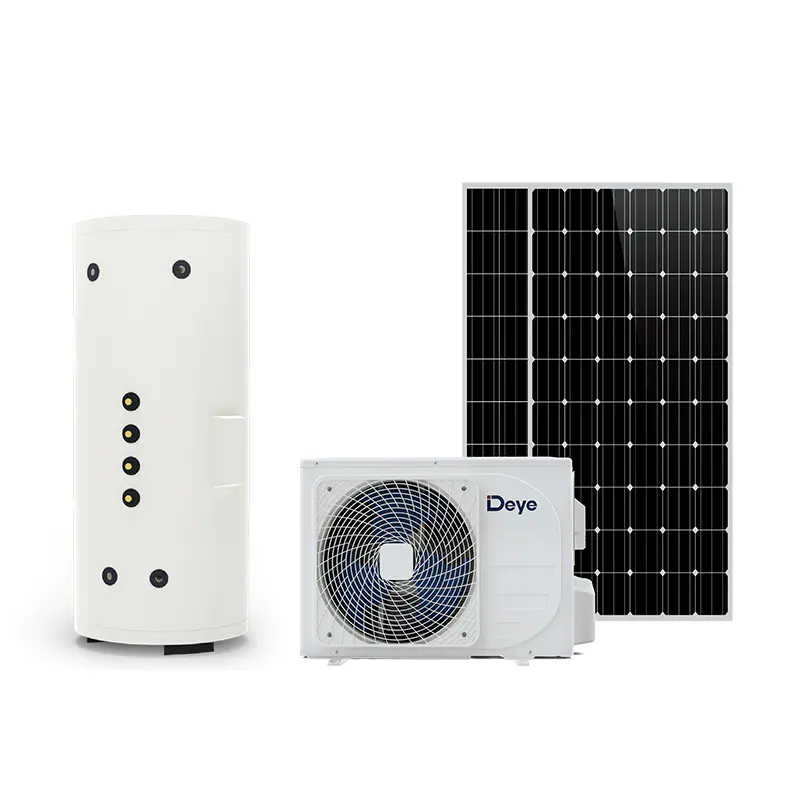
A complete Solar Air Source Water Heater (Hybrid AC/DC) system consists of the following key functional parts working together for efficient hot water delivery.
- Solar Collectors/Panels
In a Hybrid AC/DC system, the Solar Panels are paramount. They convert sunlight into DC power, the primary energy source for the heat pump or auxiliary elements.
- Air Circulation System
The core heat pump component, including a fan and evaporator, extracts large quantities of low-grade thermal energy from the ambient air. The air circulation efficiency directly determines the heat pump's COP and overall Energy Efficiency.
- Heat Exchanger
A critical safety and efficiency component. It transfers heat from the high-temperature refrigerant safely and efficiently to the domestic water in the Water Storage Tank. A superior design ensures maximum heat transfer efficiency.
- Water Storage Tank
Used to store the heated water. To maintain temperature and maximize system Energy Savings, the tank usually employs high-efficiency insulation materials. System Sizing depends critically on matching the tank's capacity to the household's hot water needs.
- Controller and Monitoring System
The "brain" of the Hybrid AC/DC system, managing and optimizing its operation: Energy Management (prioritizing AC power vs. DC power), and Protection Functions (anti-freezing, over-voltage, and diagnostics).
III. Installation, Maintenance, and Long-Term Benefits
Installation Guide
Installation of the Solar Air Source Water Heater (Hybrid AC/DC) is a professional process requiring adherence to the highest safety and performance standards, especially concerning AC power and DC power connections.
- Site Assessment and Planning
Location and Orientation: Determine the optimal mounting position for the Solar Panels (avoiding shading), and the ventilation requirements for the heat pump unit (Air Circulation System).
Structural Load: Evaluate the roof or mounting area's capacity to safely support the weight of the Solar Panels and the Water Storage Tank.
- System Sizing and Requirements
The system's scale must match the user's actual hot water demand and local climate conditions to ensure high efficiency.
Assessment Parameter Determining Metric Key Consideration Household Size/Water Use Water Storage Tank capacity Determines tank size (e.g., 200L, 300L) to meet peak demand. Solar Exposure Solar Panels wattage Determines required PV area to maximize DC Powered Water Heater uptime. Climate Environment Heat Pump Model Selection Ensures high COP is maintained even in lower ambient temperatures, guaranteeing Energy Efficiency. - Step-by-Step Installation Process
1. PV Array Mounting: Securely fix the Solar Panels and complete basic DC wiring.
2. Heat Pump and Tank Placement: Install the outdoor heat pump unit and indoor Water Storage Tank, connecting the refrigerant lines.
3. Plumbing Connection: Integrate the hot water line into the existing household Plumbing Systems.
4. Electrical Integration: The critical step for the Hybrid AC/DC system.
- Connecting to Existing Plumbing and Electrical Systems
Plumbing Connection: Ensure safety and insulation of the hot water lines, installing necessary relief and check valves.
Electrical Integration: This crucial step involves handling both high-voltage AC power and the DC power from the Solar Panels. All electrical work must comply with local codes and be performed by a certified electrician. The advanced experience of Deye Technology Group in DC inverter control ensures robust and safe switching mechanisms for the AC/DC hybrid input.
Maintenance and Troubleshooting
Consistent maintenance is crucial for ensuring the long-term high Energy Efficiency and extended Lifespan of the Solar Air Source Water Heater (Hybrid AC/DC).
- Regular Maintenance Tips
User Maintenance: Regularly clean the surface of the Solar Panels and ensure the area around the heat pump unit (Air Circulation System) is clear for proper airflow.
Annual Professional Maintenance: Check of refrigerant pressure, compressor status, electronic Controller calibration, and tank anode rod condition.
Frost Check: Pay special attention to the anti-freezing protection function in cold climates.
- Common Issues and Solutions
Common Issue Possible Cause Solution (Troubleshooting) Insufficient Hot Water or Slow Heating PV panel dirt/shading or obstructed heat pump airflow. Clean Solar Panels, clear debris from the heat pump fan and evaporator. System Cycling Frequently Sensitive Controller settings or faulty sensor. Check and recalibrate sensors; have a professional inspect the AC/DC switching logic. Excessive System Noise Worn compressor or fan bearings. Contact technical support for replacement or lubrication. - Extending the Lifespan of Your System
Emphasize the importance of choosing high-quality components and adhering to the professional maintenance schedule.
IV. FAQ
-
How does the Solar Air Source Water Heater (Hybrid AC/DC) work on cloudy days or at night?
Night and Cloudy Operation: When solar generation from the Solar Panels is insufficient, the smart Controller seamlessly switches to the AC Powered Water Heater mode, using grid electricity.
Efficiency Guarantee: Even when drawing from the grid, the system utilizes high-efficiency heat pump technology (high COP), which is significantly more efficient than conventional electric resistance heaters.
Technological Maturity: The experience of Deye Technology Group in DC inverter and core algorithms ensures the stability and reliability of the AC/DC switching.
-
How much installation space does the system require compared to a conventional water heater?
Water Storage Tank: The tank is usually larger to store sufficient hot water produced efficiently. Water tanks are typically installed indoors.
Heat Pump Unit (Air Circulation System): The outdoor unit requires an external, well-ventilated space.
Solar Panels: These components require roof or ground space, necessary for solar energy capture.
-
What is the approximate Return on Investment (ROI) for the system?
The ROI is determined by local electricity prices, Government Rebates, and hot water usage.
General Estimate: In areas with high electricity costs and favorable subsidy policies, the ROI for a Solar Air Source Water Heater (Hybrid AC/DC) system is typically between 4 and 7 years.
-
Does a DC Powered Water Heater require battery backup?
Not Essential: The primary benefit of the Hybrid AC/DC design is that it substitutes expensive battery storage with the reliable and economic backup of AC power (grid electricity).
Optional: Users in areas with frequent grid instability may choose to add battery storage, but it is not mandatory for system operation.
-
Is the system suitable for all climate conditions?
Wide Applicability: Yes, the system has strong climate adaptability:
Warmer Climates: Highest COP and maximum use of DC Powered Water Heater mode.
Colder Climates: The heat pump can still extract heat, and the AC Powered Water Heater mode guarantees supply. The system includes anti-freezing mechanisms.
-
How long can the DC mode run without grid power (during an outage)?
In the absence of AC power (grid outage), the system's operation time depends on two factors:
1. Sunlight Intensity: As long as there is sufficient sunlight, the Solar Panels can continuously generate DC power to run the heat pump or heating element.
2. Water Tank Temperature: If the water in the Water Storage Tank is already at the set temperature, the heat pump will cease operation. Due to the tank's excellent insulation, hot water availability can last for an extended period.
