

 Español
 русский
 Français
 Português
 Deutsch
 عربى
عربى italiano


-1.jpg)



Content
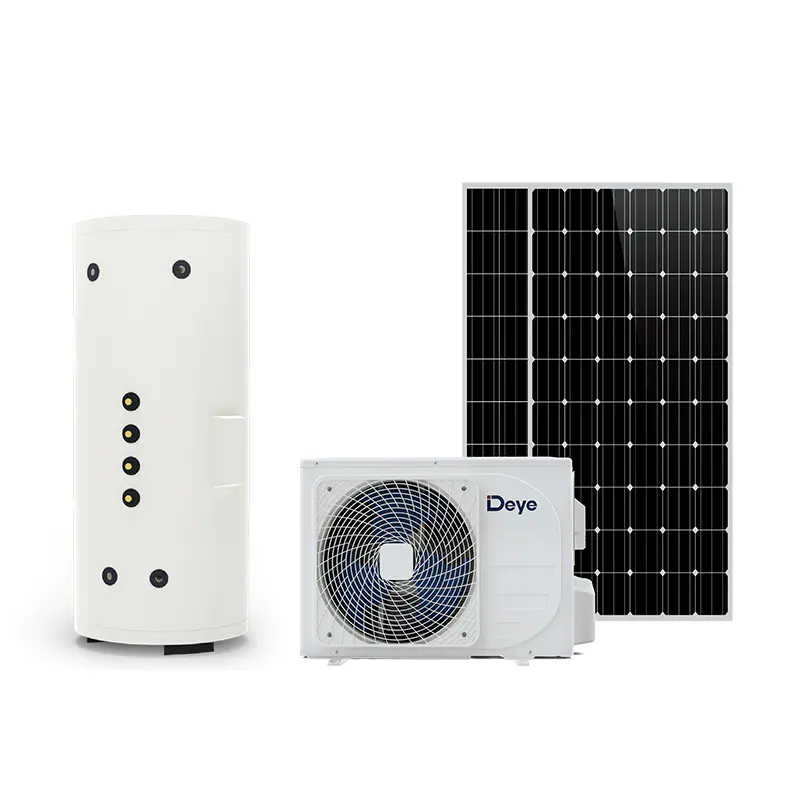
In the current context of energy structural transformation, improving the energy efficiency of building heating and hot water systems has become key to reducing operating costs. The integration of Solar heat pump systems with heat pump and solar panels provides a highly efficient energy alternative for residential and commercial buildings. Through the scientific design of a hybrid solar heat pump system, users can maximize the capture of environmental thermal energy and solar energy, achieving extremely high energy conversion efficiency.
Working Mechanism and Advantages of Solar heat pump
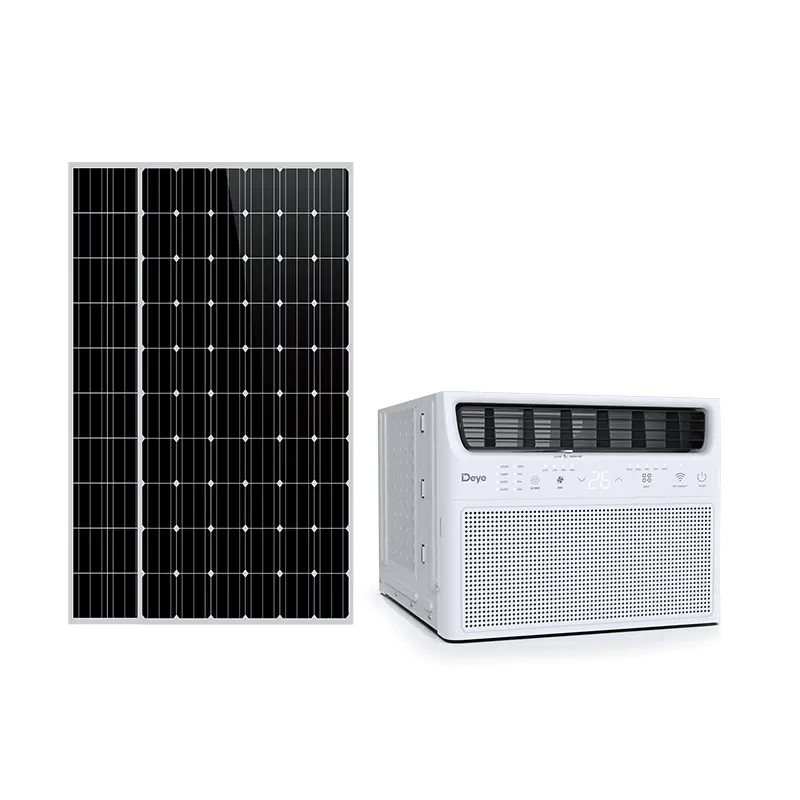
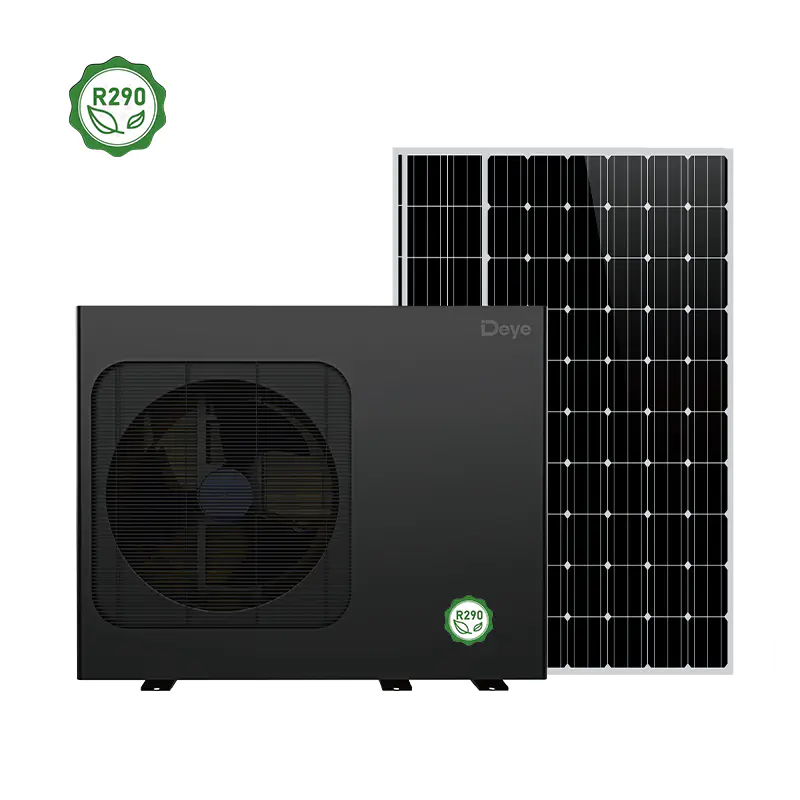
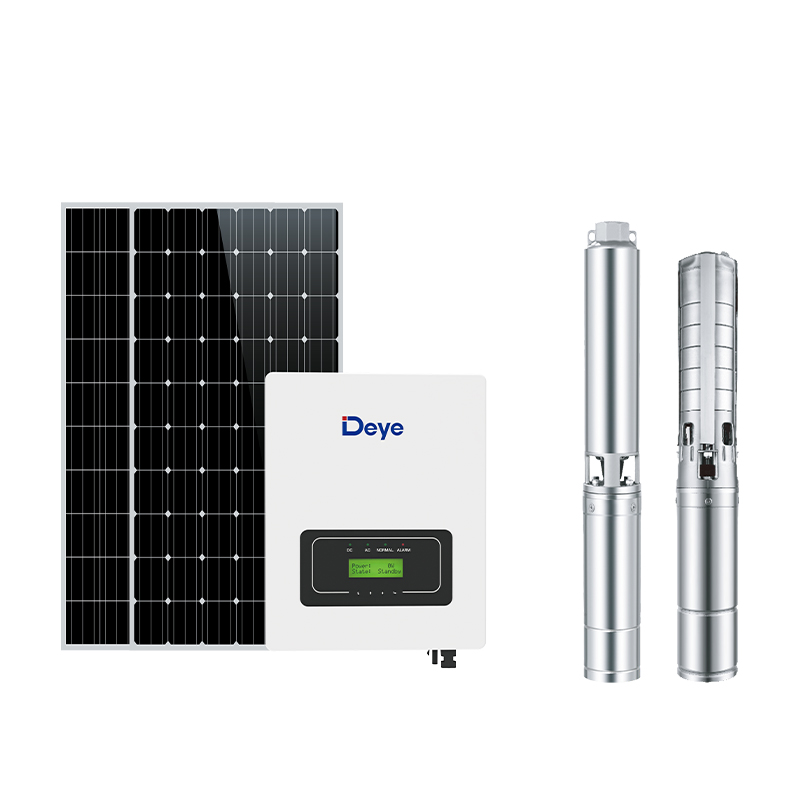
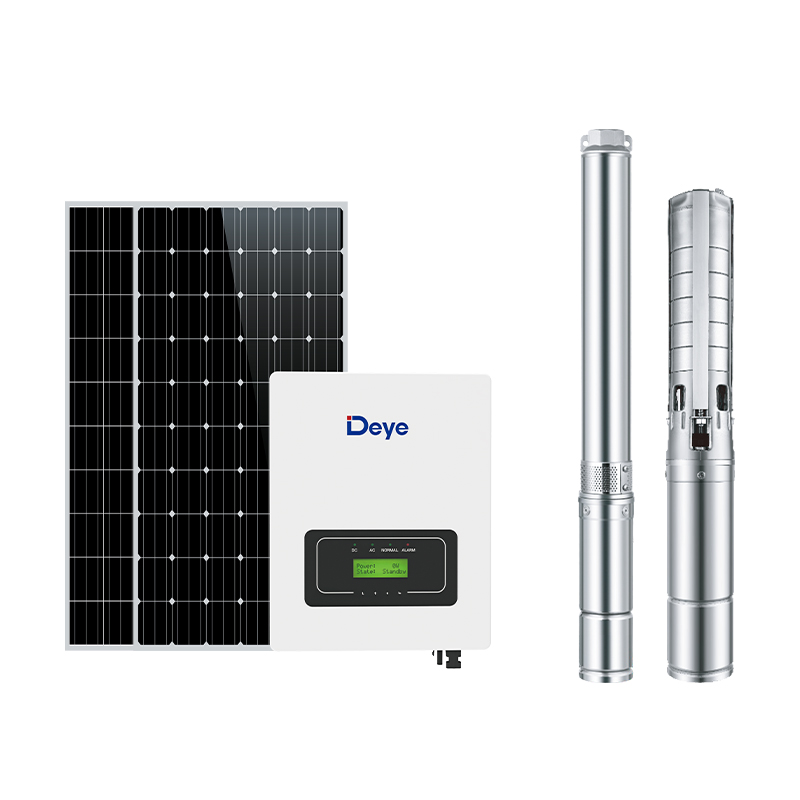
The core of a Solar heat pump lies in the deep integration of solar collectors or photovoltaic panels with heat pump units. In a configuration of heat pump with solar panels, the electricity generated by the photovoltaic system can directly drive the heat pump compressor, which not only reduces dependence on the grid but also utilizes the low-carbon attributes of solar energy. For a solar hot water pump system, solar collectors are responsible for preheating the fluid, reducing the compression load of the heat pump in extremely low-temperature environments and significantly improving the COP (Coefficient of Performance).
Comparative Analysis of Key Performance Indicators
To intuitively demonstrate the performance improvement of integrated systems, the following table lists the comparison of key parameters between traditional heating methods and several solar-enhanced heat pump systems:
| System Type | Energy Efficiency (COP) | Energy Saving Ratio | Application Scenario |
| Traditional Electric Heating System | 1.0 | 0% | Temporary Hot Water Demand |
| Standard Heat Pump | 3.0 - 4.0 | 60% - 75% | Routine Heating and Hot Water |
| Solar heat pump system | 4.5 - 6.0 | 75% - 85% | Residential Heating and Domestic Hot Water |
| Hybrid solar heat pump system | 6.0+ | Above 85% | High-Load Areas and Energy-Autonomous Buildings |
Application Points of Solar pool heat pump
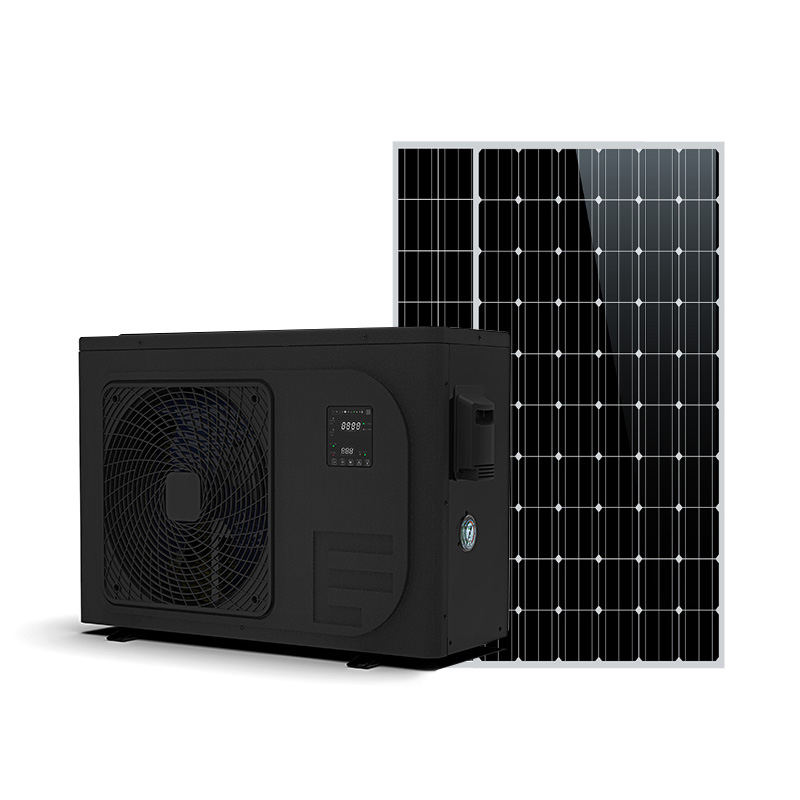
For pool heating scenarios, solar pool heat pump is currently a highly acclaimed combination scheme in the market. Since swimming pools have large thermal inertia, solar pool heat pump utilizes solar radiation as a foundational heat source and automatically switches to heat pump mode during cloud cover or high demand. This dual-source complementary mechanism ensures that water temperatures can remain stable and comfortable even in non-peak seasons. In such systems, ensuring the matching of collector area with heat pump heating capacity is the core of system engineering design.
System Selection and Implementation Suggestions
When designing a high-performance solar heat pump system, it is necessary to comprehensively consider local solar irradiance and building thermal loads. When using heat pump with solar panels, the intelligent communication protocol between the inverter and the heat pump controller is crucial, ensuring that during peak solar power generation, the system prioritizes thermal storage (such as preheating hot water tanks) rather than relying solely on instantaneous heating. For users seeking comprehensive energy solutions, adopting a hybrid solar heat pump system can balance heating and cooling demands across different seasons, with its flexible energy scheduling mode serving as the technical foundation for improving overall economic efficiency.
By organically combining heat pump and solar panels technologies, users can not only obtain stable hot water and heating supplies but also significantly reduce lifetime energy expenditures. Selecting the appropriate solar hot water pump configuration and combining it with professional system integration solutions is the inevitable choice for achieving green residential upgrades.
