

 Español
 русский
 Français
 Português
 Deutsch
 عربى
عربى italiano


-1.jpg)



Content
In an era of rising energy costs, achieving high-efficiency, low-carbon operation for homes and commercial buildings has become a key focus. By integrating solar heat pump technology with heat pump and solar panels systems, users can significantly increase energy self-sufficiency and reduce reliance on traditional power grids. This combination is more than just stacking equipment; it is about maximizing system energy efficiency through intelligent energy management.
The Core Operational Logic of Solar Powered Heat Pump
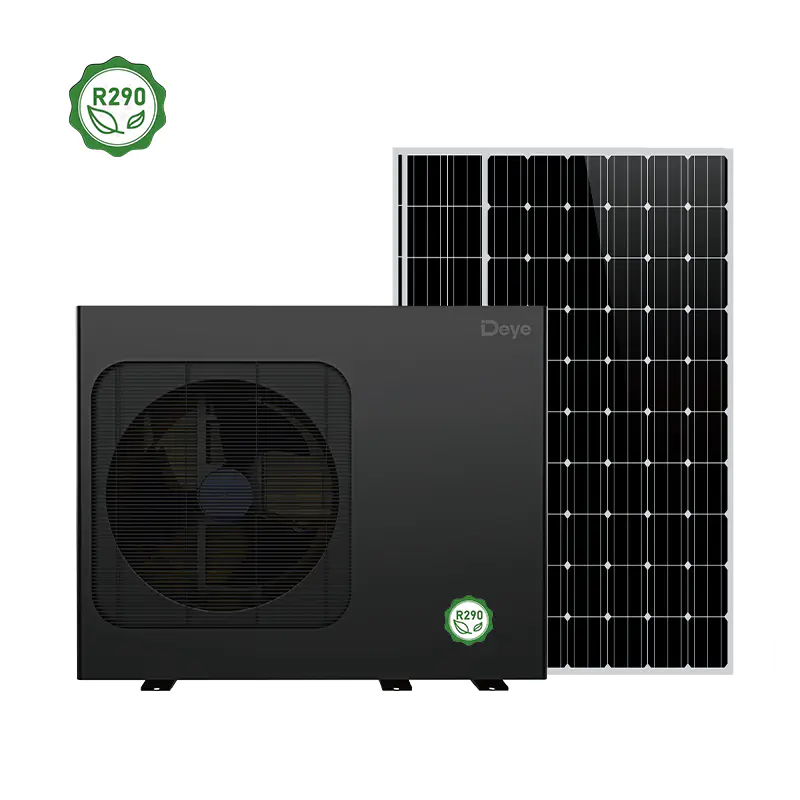
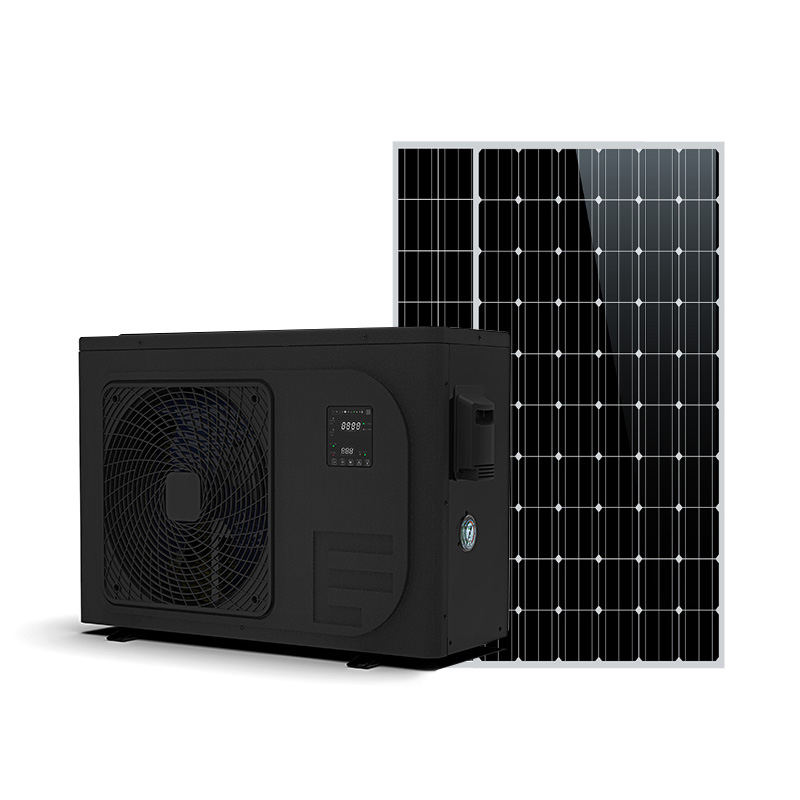
The core advantage of solar powered heat pump technology lies in its ability to convert clean DC electricity generated by photovoltaics directly into thermal energy. Compared to traditional electric heating, heat pump technology uses a physical compression cycle to transport vast amounts of environmental heat while consuming minimal electricity. When this system is combined with solar panel for pool pump usage, it can achieve automated constant water temperature throughout the day. Especially in swimming pool operations, a solar pool heat pump can utilize surplus daytime power to maintain water temperature within the user's preferred range, effectively avoiding the high operational costs associated with peak electricity pricing.
Performance Comparison of Technical Parameters
To better understand the impact of different heat pump configurations on energy efficiency, the following table provides a professional comparative analysis:
| Technical Scheme | Average Coefficient of Performance (COP) | Environmental Adaptability | Daytime Grid Dependency | Maintenance Cost |
| Traditional Electric Heating | 0.95 - 1.0 | Very High | Very High | Medium |
| Conventional Heat Pump | 3.5 - 4.5 | High | Medium | Low |
| Solar heat pump | 4.0 - 5.5 | High | Low | Very Low |
| Hybrid solar heat pump system | 4.5 - 6.0 | Very High | Very Low | Low |
As shown in the table, the hybrid solar heat pump system possesses significant advantages in COP values. This is due to the internal thermal compensation mechanism of the system, which allows it to automatically switch to the optimal energy supply mode even on cloudy days with insufficient sunlight, ensuring the stability of overall operation.
System Advantages of Solar Heat Pump Hot Water System
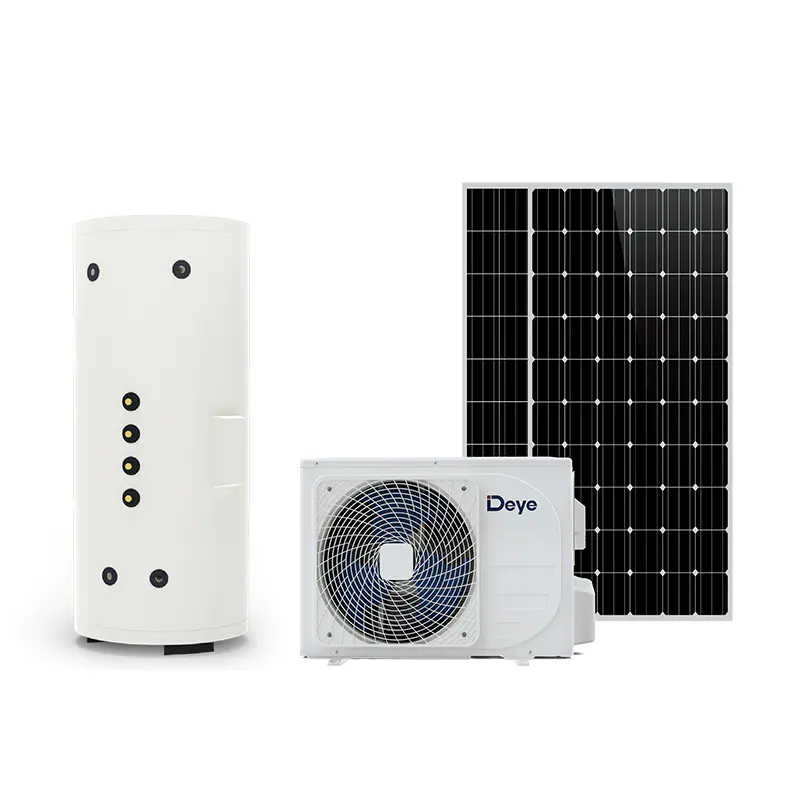
In the field of domestic hot water, the solar heat pump hot water system has become a standard configuration for energy conservation and emission reduction. The core logic is:
Energy Complementarity: When solar output power reaches its peak, the heat pump automatically initiates high-power heating mode, storing the hot water tank temperature to its upper limit, acting as a "thermal battery."
Dynamic Matching: Intelligent controllers determine whether to utilize direct solar energy or grid energy based on the current State of Charge (SoC), ensuring that the solar heat pump always operates within its optimal load range.
Load Regulation: It effectively reduces the load pressure on the household power grid during the evening peak, securing all-weather hot water supply by extending heat circulation paths.
Deep Analysis of Integration for Pools and Heating
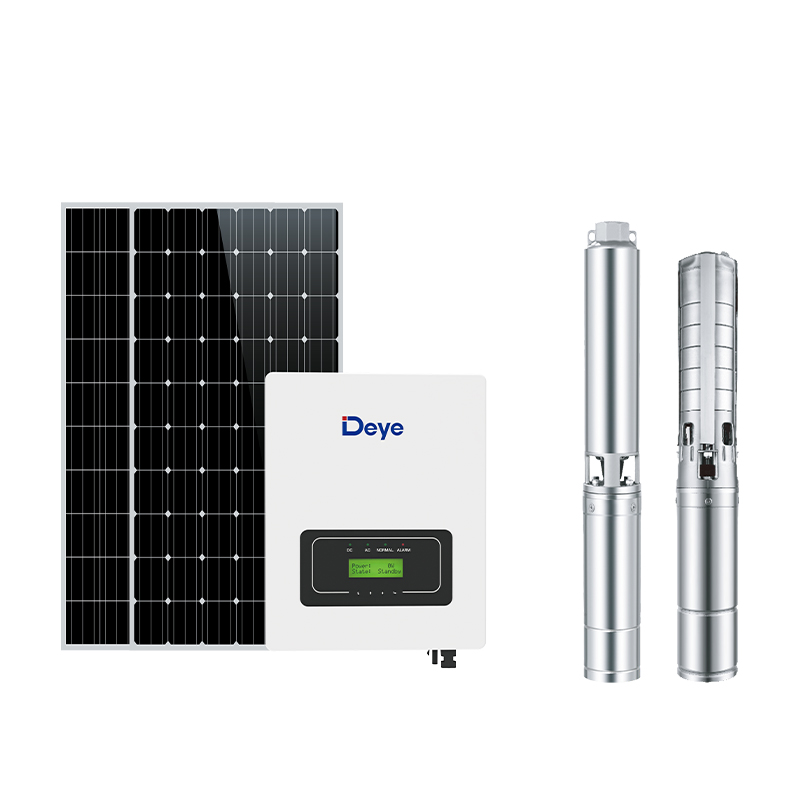
For solar pool heat pump applications, professionally designed integrated systems typically include a temperature compensation module. In hot summers, the system not only provides heating for the pool but can also perform cooling functions through a reverse cycle. If a solar panel for pool pump is configured exclusively for the circulation pump, it can achieve complete electrical isolation between the circulation system and the heating system, reducing motor losses and improving energy transmission efficiency through photovoltaic DC direct drive technology.
For buildings in complex environments, adopting a hybrid solar heat pump system can effectively resolve thermal losses caused by temperature differentials. Through integrated water circulation control logic, the system can monitor the gradient difference between ambient temperature and set temperature in real-time, automatically adjusting compressor frequency. This precision control technology allows the solar powered heat pump to maintain extremely high thermal output when facing different climate zones, realizing the "on-demand distribution" of energy utilization.
