

 Español
 русский
 Français
 Português
 Deutsch
 عربى
عربى italiano
-1.jpg)

Content
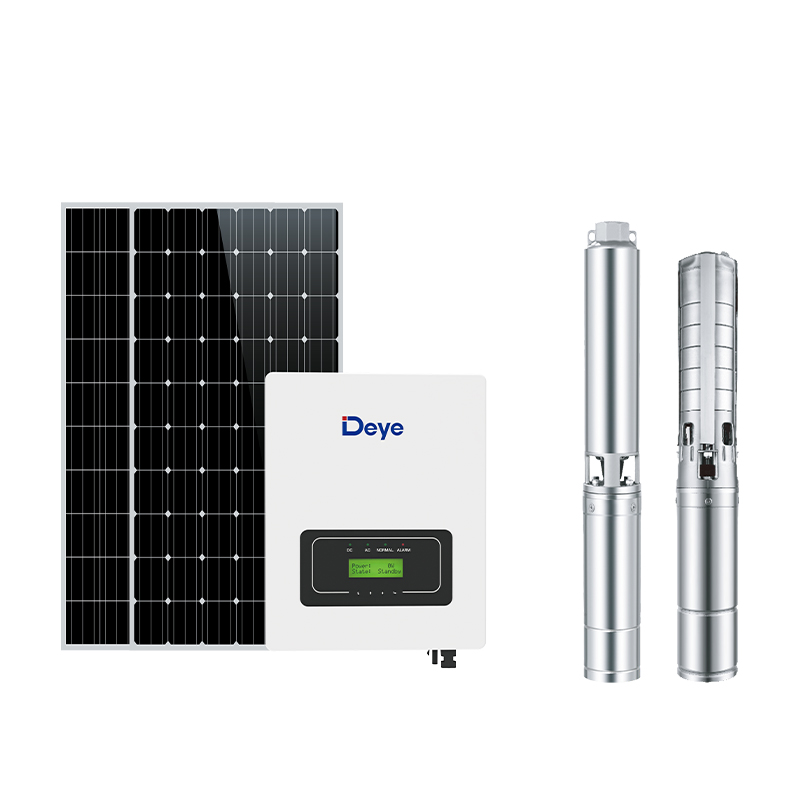
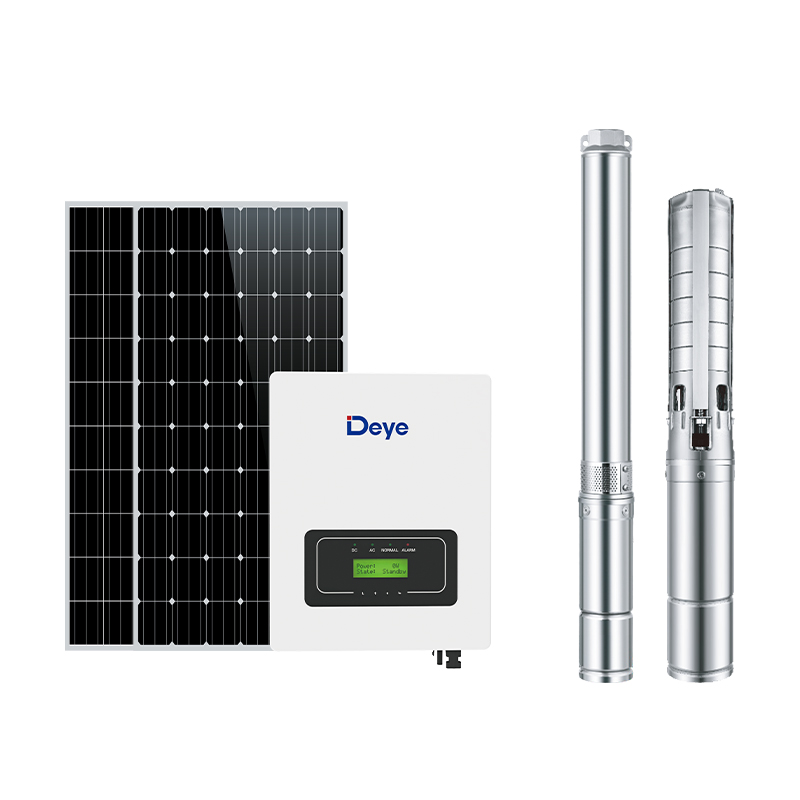
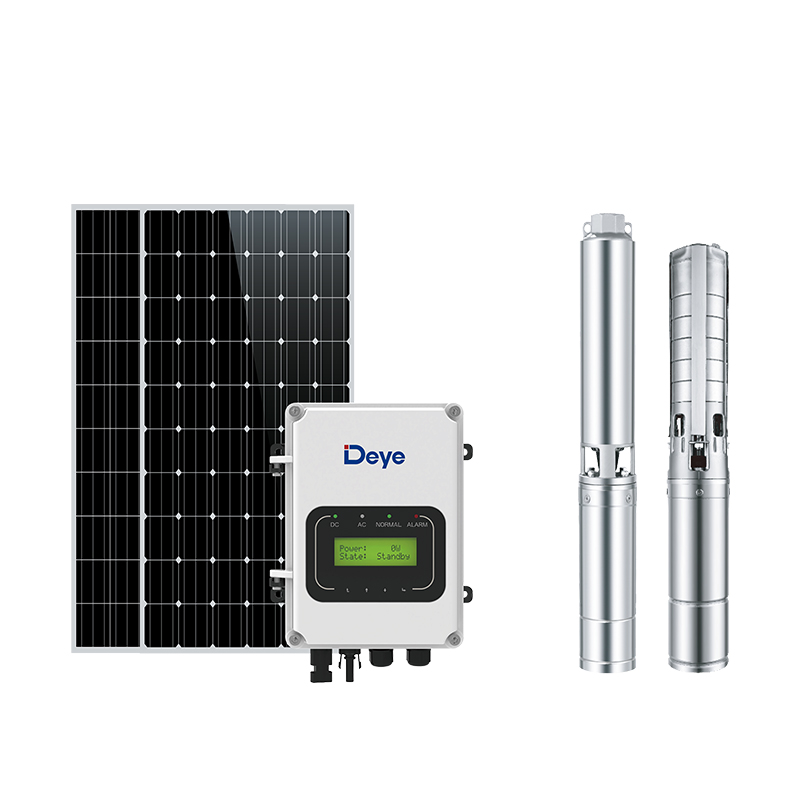
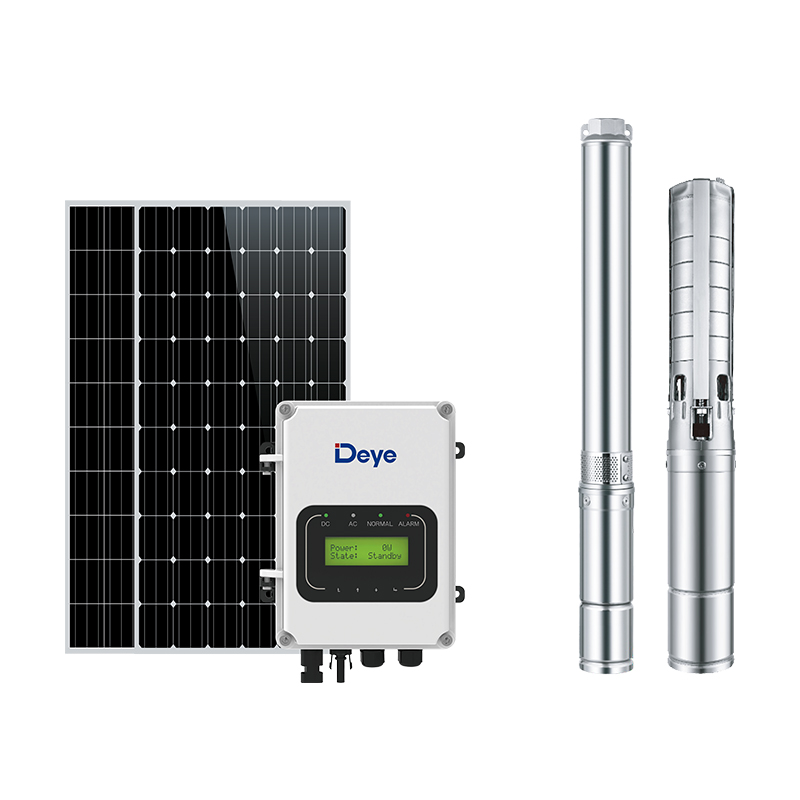
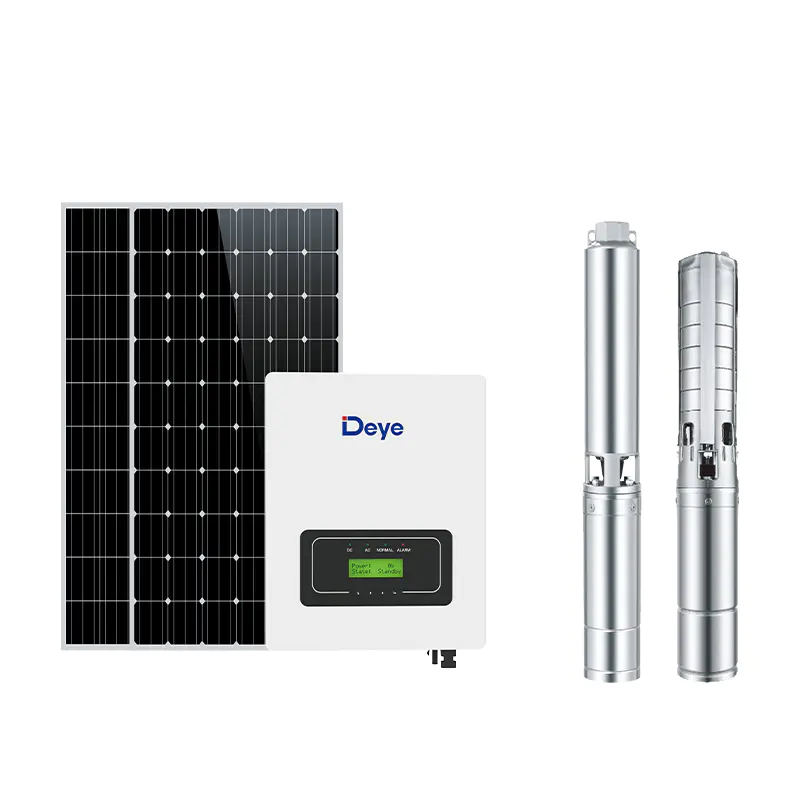
Solar-powered water pumping systems harness the sun's energy to move water from a source to a desired location, offering a sustainable and cost-effective solution for various applications. They're a game-changer, especially for remote areas lacking access to a reliable electrical grid. Choosing solar for your water pump offers significant cost savings on electricity bills and maintenance, provides independence from the grid, and reduces your carbon footprint, making it an environmentally friendly choice. This guide will walk you through the essential steps to accurately determine the number of solar panels you need to power your pump efficiently.
Understanding Your Water Pump
To properly size a solar system, you must first understand the power requirements of your pump.
Pump Wattage
The most critical piece of information is the pump's wattage, which indicates the power it consumes. You can find this on the pump's nameplate or in the manufacturer's technical specifications. Be sure to use the operational wattage, not just the starting wattage, for your calculations.
Pump Voltage
Pumps come in two main types: AC (alternating current) and DC (direct current). DC pumps, typically used for smaller systems, can connect directly to solar panels and a charge controller. AC pumps, more common for larger applications, require an inverter to convert the DC power from the panels into AC power. This voltage difference affects how you configure your solar panel array (series vs. parallel connections).
Daily Water Requirements
Estimate your daily water usage in gallons or liters. Factors like the size of your farm, number of livestock, or household needs will influence this. This figure, combined with the pump's flow rate, helps determine how many hours the pump needs to run daily.
Pumping Head (Vertical Lift)
The pumping head is the vertical distance the water needs to be lifted. It's a critical factor because the higher the lift, the more power is required. You can measure this by finding the vertical distance from the water source (e.g., well, pond) to the highest point of your water storage tank. Don't forget to also account for friction losses in the pipes.
 |
 |
Solar Panel Specifications
Understanding the key specifications of solar panels is crucial for an effective system design.
Wattage Ratings
A solar panel's wattage rating (e.g., 300W, 400W) represents its maximum power output under ideal conditions. A higher wattage panel can generate more power, which may mean you need fewer panels to meet your pump's energy needs.
Voltage (Vmp and Voc)
- Vmp (Voltage at Maximum Power): This is the voltage at which the panel produces its highest power. It's the most important voltage value for system design because it's what you'll use to match the panels to the pump's or charge controller's operating voltage.
- Voc (Open Circuit Voltage): This is the maximum voltage the panel can produce when it's not connected to a load (i.e., in an open circuit). Voc is critical for ensuring that the total voltage of your solar array doesn't exceed the input voltage limit of your charge controller or inverter.
Amperage (Imp and Isc)
- Imp (Current at Maximum Power): This is the current the panel produces when operating at its maximum power point. Just like Vmp, Imp is essential for calculating the practical power output of the panel.
- Isc (Short Circuit Current): This is the maximum current the panel can produce when its positive and negative terminals are short-circuited. Isc is used to size fuses and circuit breakers for system protection.
| Parameter | Definition | Application |
|---|---|---|
| Vmp | Voltage at maximum power | Used for system design and component matching |
| Voc | Open circuit voltage | Used for sizing charge controllers and inverters |
| Imp | Current at maximum power | Used for system design and power calculations |
| Isc | Short circuit current | Used for sizing fuses and safety devices |
Solar Panel Efficiency
Solar panel efficiency is the percentage of sunlight that the panel converts into usable electricity. For example, a 20% efficient panel converts 20% of the sunlight hitting it into electricity. Higher efficiency panels require less physical space to generate the same amount of power, which can be an important consideration for systems with limited installation area. While more efficient panels may have a higher initial cost, they can be a worthwhile investment due to their superior performance.
Calculating Solar Panel Needs
This is where you combine the information about your pump with the solar panel specifications to determine your system size.
Step 1: Calculate Daily Energy Consumption
Start by figuring out how much energy your pump uses each day.
- Formula: Pump Wattage (W) × Hours of Operation Per Day (h) = Daily Watt-hours (Wh)
- Example: A 300W DC pump needs to run for 5 hours per day.
- 300W * 5h = 1,500 Wh/day
- This means your system must generate at least 1,500 Wh of energy daily to meet the pump's demand.
Step 2: Account for System Losses
No system is 100% efficient due to various energy losses. You must factor these in to ensure your system is appropriately sized. A common method is to use a derate factor to account for real-world inefficiencies.
- Derate Factor (0.7 - 0.85): This single multiplier accounts for losses from wiring, temperature, soiling (dust on panels), and other component inefficiencies. A typical value is 0.75, meaning the system will deliver about 75% of its theoretical maximum power.
- Inverter Efficiency (for AC pumps): If you're using an AC pump, the inverter itself introduces losses, typically operating at 85%-95% efficiency. You should multiply your daily energy consumption by the inverter's efficiency to get the required DC power.
- Example with losses: Using the 1,500 Wh/day example with a derate factor of 0.75.
- 1,500 Wh / 0.75 = 2,000 Wh
- This is the total energy the solar array must produce to account for system losses.
Step 3: Determine Solar Panel Output
The amount of energy a solar panel produces depends on the amount of available sunlight, which is measured in Peak Sun Hours.
- Peak Sun Hours: This is the equivalent number of hours per day where the sunlight's intensity averages 1,000 watts per square meter. It's a way to standardize solar radiation for a specific location. A sunny region like Phoenix, AZ might have 7.5 peak sun hours, while a cloudier one like Seattle, WA might have 4.
- Calculating Daily Panel Output:
- Formula: Panel Wattage (W) × Peak Sun Hours (h) = Daily Watt-hours per Panel (Wh)
- Example: A 400W solar panel in a location with 5 peak sun hours.
- 400W * 5h = 2,000 Wh
- This means a single 400W panel can produce about 2,000 Wh of energy per day under these conditions.
Step 4: Calculate the Number of Solar Panels
Finally, divide your total daily energy requirement (after accounting for losses) by the daily energy production of a single panel.
- Formula: Total Daily Energy Consumption (Wh) / Daily Energy Production Per Panel (Wh) = Number of Panels
- Example Scenario:
- Pump requirement (from Step 2): 2,000 Wh/day
- Panel production (from Step 3): 2,000 Wh/day per panel
- Calculation: 2,000 Wh / 2,000 Wh = 1
- In this specific case, you would need one 400W solar panel.
- If your total daily energy consumption was 4,000 Wh, the calculation would be 4,000 Wh / 2,000 Wh = 2 panels.
- Always round up to the nearest whole number to ensure you have enough power, especially on less-than-perfectly-sunny days.
System Components & Considerations
The solar panels are just one part of a complete solar water pumping system. Other key components ensure your system operates safely and efficiently.
Solar Charge Controller
A solar charge controller is a vital component that regulates the voltage and current coming from the solar panels to prevent overcharging of batteries.
- Function: It protects the batteries and the pump from damage.
- Types: There are two main types:
- PWM (Pulse Width Modulation): These are less expensive and suitable for smaller, simple systems. They essentially act as a switch, connecting the panels to the battery. The voltage of the panels is pulled down to match the battery voltage, which can lead to some power loss.
- MPPT (Maximum Power Point Tracking): More advanced and efficient, MPPT controllers optimize the power harvest from the solar panels. They convert excess voltage into amperage, allowing the system to operate at the panels' Vmp (Voltage at Maximum Power) and charge the batteries at a higher rate. This can result in a 10-30% increase in efficiency, especially in colder climates or when the panels are not at their ideal operating temperature.
| Feature | PWM Charge Controller | MPPT Charge Controller |
|---|---|---|
| Efficiency | Lower, as panel voltage is reduced to battery voltage. | Higher, optimizes power by converting voltage to amperage. |
| Cost | More affordable. | More expensive. |
| Best For | Small systems, small panel-to-battery voltage difference, warmer climates. | Larger systems, higher panel voltages, all climates where max power is desired. |
Batteries (Optional)
Batteries are not always required for solar water pumping, especially if you only need to pump water during daylight hours.
- When are batteries necessary? If you need to pump water at night, on cloudy days, or require a consistent water supply regardless of sun availability, a battery bank is essential.
- Sizing: To size a battery bank, you need to calculate the total daily energy consumption of your pump (in Wh) and multiply it by the number of "autonomy days" you need (e.g., 2-3 days for cloudy weather).
Inverter (for AC Pumps)
If your pump runs on AC power, you'll need an inverter to convert the DC power from your solar panels and batteries into usable AC power.
- Sizing: The inverter's continuous power rating must be higher than the pump's running wattage, and its surge rating must be able to handle the pump's startup power, which can be 2-3 times its running wattage.
- Types:
- Pure Sine Wave: These produce a clean, stable waveform identical to grid power. They are more efficient and are recommended for sensitive electronics and most modern pumps.
- Modified Sine Wave: Less expensive and less efficient, these inverters are not suitable for all types of motors and can cause some devices to run hotter or buzz. For a water pump, a pure sine wave inverter is the preferred choice to ensure longevity and optimal performance.
Wiring and Protection
Proper wiring is crucial for efficiency and safety.
- Wire Gauge: Use the correct wire gauge for the distance and current to minimize voltage drop and energy loss.
- Protection: Include fuses and circuit breakers between major components (panels, charge controller, batteries, and inverter) to protect the system from short circuits and surges. Surge protection devices are also recommended to safeguard against lightning strikes.
Mounting Structures
The way you mount your solar panels can impact their performance.
- Types:
- Ground Mounts: Versatile and easy to install, they allow for flexible panel placement and tilt angle adjustment.
- Pole Mounts: Raise panels high to avoid shading and are great for small-scale systems.
- Roof Mounts: Ideal for using existing space and are common for residential applications.
- Tilt Angle: For maximum year-round energy production, the tilt angle of the panels should be adjusted to match your latitude. Seasonal adjustments can further optimize performance.
Factors Affecting Solar Panel Performance
Several environmental and operational factors can influence the actual power output of your solar panels, which must be considered for system optimization.
Weather Conditions
While solar panels work best on clear, sunny days, they still produce power on cloudy or rainy days. However, their output is significantly reduced. Dense cloud cover can lower a panel's output to as little as 10-25% of its full capacity. Snow accumulation can block sunlight entirely, temporarily halting power production until the panels are cleared.
Temperature
Solar panels operate more efficiently in cooler temperatures. Counterintuitively, excessive heat reduces a panel's power output. This is because high temperatures increase the electrical resistance within the panel's cells, lowering their voltage. The temperature coefficient on a panel's datasheet indicates the percentage of power loss for every degree Celsius above 25°C (77°F).
Shading
Shading is one of the biggest enemies of solar panel performance. Even a small amount of shade from a tree branch, chimney, or utility pole can drastically reduce the output of an entire array, especially in systems with a series wiring configuration. This is because the shaded panels create a bottleneck for the current flowing through the circuit.
Panel Orientation
The direction your panels face (azimuth) and their tilt angle are critical for maximizing energy harvest.
- In the Northern Hemisphere, panels should face true south for optimal year-round production.
- The tilt angle should generally match your latitude. For example, at a latitude of 35°, the ideal tilt angle is also 35°. Adjusting the tilt seasonally can capture more sunlight in winter (steeper angle) and summer (flatter angle) for peak performance.
Optimizing Your Solar Water Pumping System
Once your system is installed, ongoing efforts can ensure it performs at its best.
Regular Maintenance
A little maintenance goes a long way in preserving system efficiency.
- Cleaning Solar Panels: Regularly cleaning dust, dirt, bird droppings, and pollen from the panels is the most effective way to maintain output. While rain helps, it doesn't always remove stubborn grime.
- Checking Wiring and Connections: Periodically inspect all wiring and connections for signs of wear, corrosion, or looseness. This ensures a safe and efficient flow of power.
- Battery Maintenance (if applicable): If you have a battery bank, follow the manufacturer's guidelines for maintenance, which may include checking water levels (for flooded lead-acid batteries) or monitoring state of charge.
Monitoring Performance
Using a monitoring system allows you to track your system's output and identify issues early.
- Using Monitoring Systems: Many charge controllers and inverters come with built-in monitoring displays or can connect to an app. This lets you see real-time energy production, consumption, and historical data.
- Identifying Issues: A sudden drop in power output can indicate a problem, such as a dirty panel, shading, or a component malfunction. Proactively addressing these issues prevents further performance degradation.
Energy Conservation
Reducing your overall water demand directly reduces the amount of energy your system needs to produce.
- Reducing Water Demand: Implement water-saving practices for irrigation or household use.
- Using Efficient Pumping Techniques: Use a float switch to automatically turn off the pump when your tank is full, preventing unnecessary operation and energy waste. Sizing your pump correctly for your needs is also crucial; an oversized pump will consume more energy than necessary.
Conclusion
Choosing the right solar power system for your water pump is a critical investment that requires careful planning and calculation.
Recap of Key Steps
To recap, here are the essential steps to determine your solar panel needs:
- Calculate Daily Energy Consumption: Determine your pump's wattage and how many hours it needs to run daily to meet your water demands.
- Account for System Losses: Apply a derate factor to your energy consumption to account for real-world inefficiencies from wiring, temperature, and other components.
- Determine Solar Panel Output: Find the average daily peak sun hours for your location to calculate a single panel's daily energy production.
- Calculate the Number of Panels: Divide your total daily energy requirement (with losses factored in) by the daily output of one solar panel.
Importance of Professional Consultation
While this guide provides a comprehensive framework, consulting with a professional solar installer or engineer is highly recommended. A professional can conduct a site-specific assessment, accurately measure factors like pumping head, and design a system that is perfectly tailored to your unique needs and local environmental conditions. Their expertise ensures the system is not only efficient but also safe and compliant with all relevant electrical codes.
Benefits of Investing in Solar-Powered Water Pumping
The initial investment in a solar water pumping system offers substantial long-term benefits.
- Cost Savings: Eliminates or significantly reduces electricity bills and the need for expensive fuel for generators.
- Environmental Benefits: Reduces your carbon footprint by using a clean, renewable energy source.
- Reliability: Provides a reliable and independent water source, especially in remote or off-grid locations where traditional power is unavailable or unstable.
By following these guidelines and making informed decisions, you can design and implement a robust and efficient solar water pumping system that will serve your needs for years to come.
