

 Español
 русский
 Français
 Português
 Deutsch
 عربى
عربى italiano
-1.jpg)

Content
Solar water pumps use energy from the sun to move water, while electric water pumps rely on electricity from the power grid or a generator. This article will provide a comprehensive comparison of these two popular pumping systems, helping you determine which option is the best fit for your specific needs, considering factors like cost, efficiency, and sustainability.
How Solar Water Pumps Work
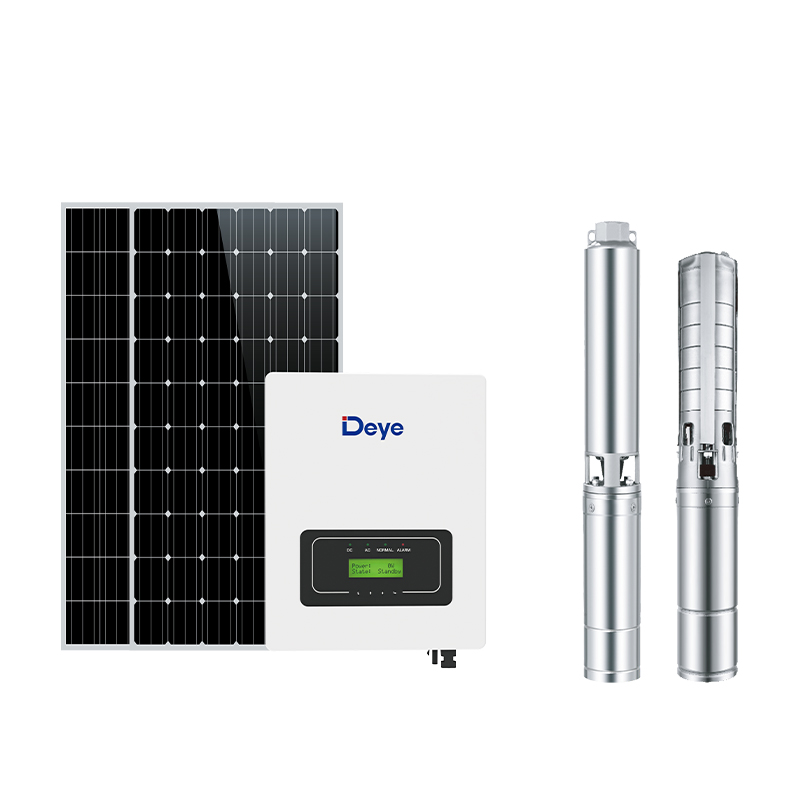
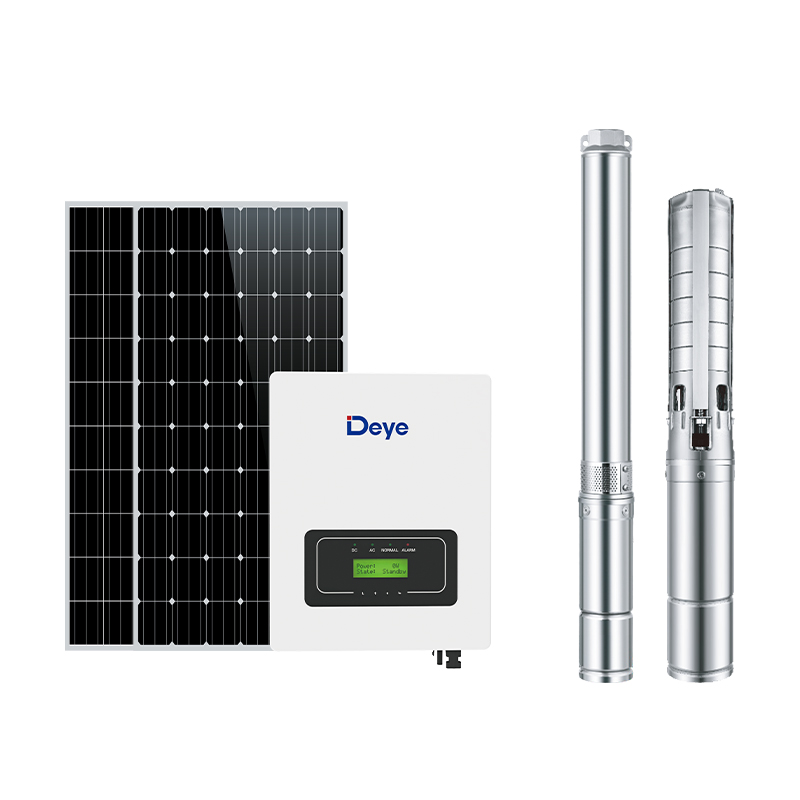
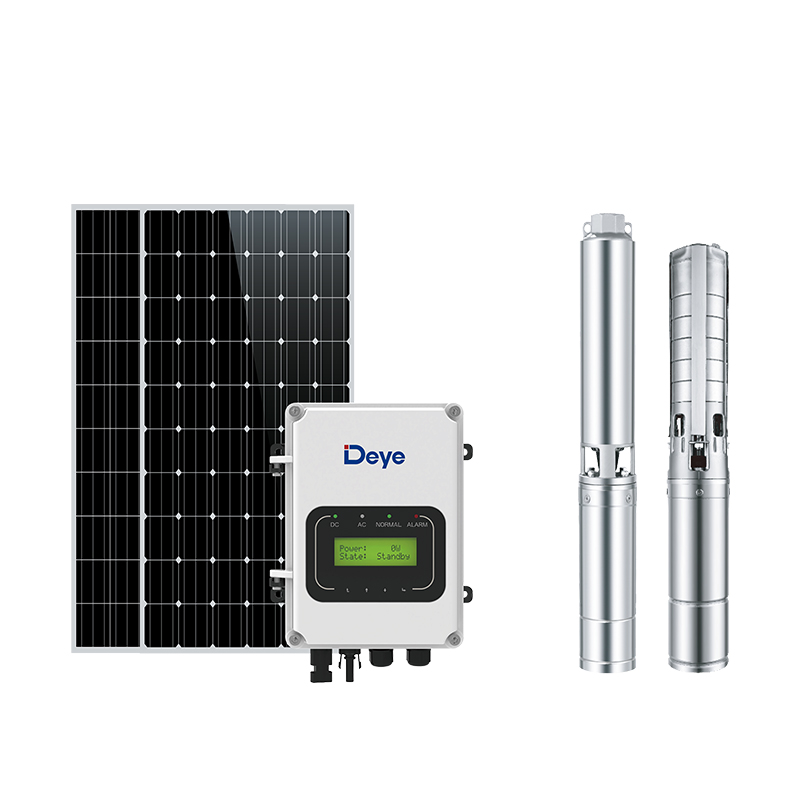
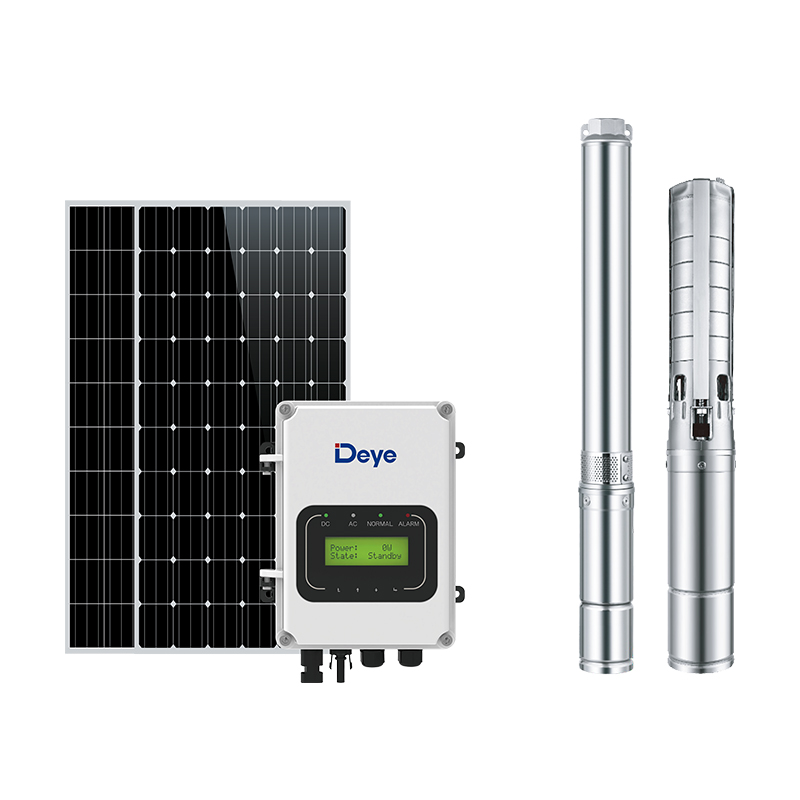
A solar water pump system harnesses the sun's energy to pump water. It typically consists of three main components: solar panels, a pump, and a controller.
- Solar Panels: These are the most visible part of the system. They convert sunlight (photons) into a direct current (DC) of electricity via the photovoltaic effect. The number and size of the panels determine the amount of power the system can generate.
- Pump Controller: The controller is the "brain" of the system. It manages the power coming from the solar panels, adjusting the voltage and current to match the pump's requirements. This maximizes water output throughout the day, even in varying sunlight conditions.
- Water Pump: This is the device that physically moves the water. The pump motor, which can be either a DC or alternating current (AC) motor, is powered by the electricity from the solar panels (and the controller, if applicable). It pulls or pushes water from the source to the desired location.
Types of Solar Water Pumps
- Submersible Solar Pumps: These pumps are designed to be fully submerged in the water source, such as a deep well or borehole. They are ideal for high-lift applications where water needs to be pushed up from significant depths.
- Surface Solar Pumps: These pumps are placed on the ground next to the water source, like a pond, river, or storage tank. They are used for lower-lift applications and are typically more accessible for maintenance.
How Electric Water Pumps Work
An electric water pump operates by converting electrical energy into mechanical energy to move water. The system is relatively straightforward and typically consists of a pump, an electric motor, and a power source.
- Power Source: The pump draws power from the electrical grid, a generator, or a battery bank. This provides a consistent and reliable flow of electricity.
- Electric Motor: The motor is the core of the system. It uses a series of electromagnets to create a magnetic field that causes an internal rotor to spin at high speeds. This rotational force is the mechanical energy that drives the pump.
- Pump: The pump mechanism itself varies by type, but it is directly powered by the spinning motor. It uses this mechanical action to create pressure or a vacuum that draws water into the pump and pushes it out to the destination.
Types of Electric Water Pumps
- Submersible Electric Pumps: Much like their solar counterparts, these pumps are fully sealed and designed to be submerged in the water source. They are highly efficient for deep wells and are often used for residential or industrial water supply.
- Jet Pumps: A jet pump is a type of centrifugal pump that is typically installed above ground. It uses a high-pressure jet of water to create a vacuum, which helps draw water from a shallow well or water source. They are commonly used for residential water systems.
- Centrifugal Pumps: This is one of the most common types of electric pumps. A centrifugal pump uses a spinning impeller to accelerate water and create pressure, which then pushes the water to its destination. They are widely used in agricultural irrigation, municipal water systems, and for a variety of industrial purposes.
Advantages and Disadvantages
Solar Water Pumps
| Advantages | Disadvantages |
|---|---|
| Cost Savings: Zero ongoing electricity costs as they use free power from the sun. | High Initial Cost: The upfront investment for solar panels, the pump, and the controller is significantly higher. |
| Environmentally Friendly: Operate with zero emissions, reducing the carbon footprint associated with electricity generation. | Weather-Dependent: Pumping capacity is directly tied to sunlight availability. Performance is lower on cloudy days and non-existent at night without a battery backup. |
| Ideal for Remote Locations: Perfect for off-grid areas where there is no access to a reliable power grid. | Can Be Less Powerful: While powerful systems exist, they are generally less powerful than comparable electric pumps for high-demand, high-lift applications. |
| Low Maintenance: With fewer moving parts and no need for fuel, they require minimal maintenance, primarily limited to cleaning solar panels and checking connections. | Varying Performance: Flow rate and pressure can fluctuate throughout the day as sunlight intensity changes. |
Electric Water Pumps
| Advantages | Disadvantages |
|---|---|
| High Power & Consistent Performance: Deliver a consistent flow and pressure, unaffected by weather conditions. They are ideal for applications requiring a large volume of water in a short time. | Ongoing Electricity Costs: Requires a constant supply of electricity, leading to recurring and potentially high monthly energy bills. |
| Lower Initial Cost: The initial purchase price is typically more affordable than a complete solar system. | Environmental Impact: The carbon footprint is tied to the source of electricity. If the power comes from fossil fuels, the pump contributes to environmental pollution. |
| Readily Available & Easy to Install: Common and widely available, they are typically easier to install and integrate into existing electrical infrastructure. | Requires a Reliable Power Source: Dependent on the electrical grid or a generator, making them vulnerable to power outages and unreliable in off-grid or remote locations. |
Cost Comparison
This is a critical factor in the decision-making process. While the initial costs may seem high for a solar system, the long-term savings often make it a more economical choice.
Initial Investment
- Solar Water Pump: The upfront cost includes the solar panels, the pump, the controller, and any necessary wiring and mounting hardware. The price is highly variable depending on the system's power requirements, but it is generally higher than an electric pump of a similar size.
- Electric Water Pump: The initial cost is typically lower, as it only includes the pump, motor, and the cost of installation to connect it to the grid. This makes it a more accessible option for those with a limited budget.
Operating Costs
- Solar Water Pump: The operating cost is virtually zero. Once the system is installed, it runs on free sunlight. The only recurring cost is potential battery replacement if a battery bank is used, which can be an additional expense every few years.
- Electric Water Pump: Operating costs are ongoing and can be substantial. They depend on two main factors: the pump's power consumption (measured in kilowatts, kW) and the local electricity rate (cost per kilowatt-hour, kWh). A typical electric pump can add a significant amount to your monthly utility bill, which can increase over time as electricity prices rise.
Maintenance Costs
- Solar Water Pump: Maintenance is minimal. It primarily involves keeping the solar panels clean to ensure maximum efficiency. There are few moving parts and no fuel to manage, which reduces the likelihood of costly repairs.
- Electric Water Pump: Maintenance can be more frequent. The motor and other components may require periodic servicing or replacement. There is also the risk of system failure due to power surges or grid issues.
Long-Term Savings
A life-cycle cost analysis is essential for a true comparison. While the initial investment for a solar pump is higher, the absence of ongoing energy bills can lead to a payback period of just a few years. Over the lifespan of the system (which can be 20+ years for solar panels), the total cost of ownership for a solar water pump is often significantly lower than that of an electric pump.
| Feature | Solar Water Pump | Electric Water Pump |
|---|---|---|
| Initial Investment | Higher (includes panels, controller) | Lower (pump and motor only) |
| Operating Cost | Zero (uses free sunlight) | Ongoing (based on electricity use and rates) |
| Maintenance Cost | Low (panel cleaning, few moving parts) | Potentially higher (motor servicing, parts replacement) |
| Total Cost (over 20+ years) | Often lower due to zero operating costs | Can be significantly higher due to recurring electricity bills |
Performance and Reliability
Performance and reliability are key considerations, as they directly impact the effectiveness of a water pumping system and your peace of mind.
Pumping Capacity
- Electric Water Pumps: These pumps are known for their high power and consistent performance. They can be engineered to handle a wide range of pumping capacities, from small residential needs to large-scale agricultural and industrial applications. They deliver a steady flow rate and pressure, which is crucial for tasks like filling a tank quickly or running a sprinkler system.
- Solar Water Pumps: The pumping capacity of a solar system is directly proportional to the amount of sunlight it receives. While modern solar pumps are highly efficient, their performance fluctuates throughout the day. They may have a lower flow rate in the early morning and late afternoon and will not operate at all at night (unless a battery backup is used). This makes them better suited for applications where a continuous, high-volume flow is not required.
Dependability in Different Weather Conditions
- Electric Water Pumps: Their dependability is tied to the electrical grid. They provide consistent performance regardless of weather conditions, including cloudy days or nighttime. However, they are susceptible to power outages, which can completely halt their operation.
- Solar Water Pumps: These pumps are highly dependent on sunlight. While they can function on cloudy or overcast days, their efficiency is significantly reduced. They are not affected by power grid failures, making them a more reliable option in remote or off-grid locations.
Lifespan and Maintenance Requirements
- Solar Water Pumps: A solar water pump system generally has a long lifespan. The solar panels themselves can last for 25 to 30 years, and often come with a performance warranty. The pump itself, however, typically has a shorter lifespan, averaging around 10 to 20 years, depending on the quality and maintenance. Maintenance is low and primarily involves cleaning the solar panels to ensure they are free of dust and debris, as well as periodic checks on the pump's mechanical components.
- Electric Water Pumps: The lifespan of an electric pump is generally between 5 and 10 years, though this can be extended with proper maintenance. They have more moving parts and are subject to wear and tear from constant operation. Maintenance is more frequent and may involve lubricating bearings, checking seals, and inspecting for potential electrical issues.
Environmental Impact
The environmental impact of your water pump choice is a major consideration, particularly in an era focused on sustainability and reducing the global carbon footprint.
Carbon Footprint
- Solar Water Pump: These pumps have a minimal carbon footprint during operation. Their energy source, sunlight, is a renewable and emission-free resource. While there are emissions associated with the manufacturing and transportation of solar panels and pump components, the long-term benefit of using clean energy far outweighs this initial impact.
- Electric Water Pump: The carbon footprint of an electric pump is directly tied to the source of the electricity it consumes. If the power grid is primarily supplied by fossil fuels like coal or natural gas, the pump contributes to significant greenhouse gas emissions. The more you use the pump, the greater the environmental impact.
Sustainability
- Solar Water Pump: Solar pumps are a highly sustainable choice. They promote energy independence and reduce the strain on the national power grid. By using a free and abundant natural resource, they align with global efforts to transition to a more sustainable energy model. Furthermore, their long lifespan and low maintenance requirements reduce waste and the need for frequent manufacturing of replacement parts.
- Electric Water Pump: The sustainability of an electric pump is dependent on the energy mix of your power provider. If your electricity comes from renewable sources like wind, hydro, or solar, its environmental impact is much lower. However, if it relies on non-renewable sources, its use contributes to resource depletion and environmental degradation.
Energy Source
- Solar Water Pump: The energy source is direct, on-site solar power. This makes the system resilient to power outages and fluctuations in energy costs.
- Electric Water Pump: The energy source is a centralized power grid. This means the pump's operation is subject to grid reliability, and the environmental implications are out of the user's direct control.
Applications
The best type of pump for your needs will depend heavily on the specific application and location.
Agricultural Irrigation
- Solar Water Pumps: These are increasingly popular for agricultural irrigation, especially in remote, off-grid locations. They are well-suited for drip irrigation systems and can provide a steady, reliable water supply for crops during the day when sunlight is most abundant and water is most needed. Their lower operating costs can lead to significant savings for farmers over time.
- Electric Water Pumps: Electric pumps are the traditional choice for large-scale agricultural irrigation. They can provide a high-volume, high-pressure flow that is necessary for sprinkler systems and other demanding irrigation methods. Their ability to operate at night or on cloudy days ensures continuous watering, which is crucial for certain crops or during dry periods.
Residential Water Supply
- Solar Water Pumps: In residential settings, solar pumps are a great solution for homes in rural or off-grid areas. They can be used to pump water from a well or cistern to a storage tank, providing a sustainable and reliable water source for household use. They are particularly effective for supplying water to remote cabins or vacation homes.
- Electric Water Pumps: Electric pumps are the standard for most residential water supply systems. They provide consistent water pressure for showers, faucets, and appliances. Their reliability and high performance make them the default choice for homes connected to the power grid.
Livestock Watering
- Solar Water Pumps: Solar pumps are an excellent solution for livestock watering in pastures or remote grazing areas. They can be used to pump water from a pond or well into a trough, ensuring animals have a constant supply of fresh water without the need for a power line or a generator.
- Electric Water Pumps: Electric pumps are used for livestock watering when a reliable grid connection is available. They can handle a high volume of water and are often used in automated watering systems on large farms or ranches.
Industrial Uses
- Solar Water Pumps: While less common, solar pumps are finding their place in specific industrial applications, particularly in remote mining, construction, or environmental monitoring sites where a grid connection is not feasible. They are used for tasks like dewatering or providing a water source for smaller operations.
- Electric Water Pumps: Electric pumps are the go-to for the majority of industrial applications. Their high power, consistent flow, and ability to handle various types of fluids make them essential for processes like cooling, wastewater treatment, and manufacturing.
Factors to Consider When Choosing
Water Demand
- Solar Water Pump: Best for applications with a flexible water demand that aligns with peak sunlight hours. For example, a solar pump can be a great choice for agricultural irrigation during the daytime or for filling a water storage tank that will be used for later consumption. They are less suitable for high, on-demand water requirements at night or on cloudy days unless a battery backup system is included, which adds significant cost and complexity.
- Electric Water Pump: Ideal for applications that require a consistent, on-demand water supply 24/7. This includes residential homes where water is needed for showers, toilets, and appliances at any time of day or night, as well as industrial processes that cannot tolerate interruptions in flow.
Water Source
- Solar Water Pump: Works well with a variety of water sources, including deep wells, shallow wells, rivers, ponds, and boreholes. The depth of the well and the total vertical lift (head) will determine the power of the solar pump and the number of panels needed.
- Electric Water Pump: Also compatible with all water sources. Their consistent power output makes them a reliable choice for deep wells where a high lift is necessary. The type of pump (submersible, jet, or centrifugal) will be chosen based on the depth of the water source and the required pumping distance.
Budget
- Solar Water Pump: Requires a higher initial investment. The cost includes the pump, controller, and solar panels. However, this is offset by the long-term benefit of zero electricity bills. The total cost of ownership over the lifespan of the system is often lower.
- Electric Water Pump: The upfront cost is lower and more accessible. However, you must account for the ongoing operating costs of electricity, which can be significant over time and are subject to fluctuations in utility rates.
Location
- Solar Water Pump: The ideal choice for off-grid or remote locations where access to the power grid is either non-existent, unreliable, or prohibitively expensive to install. The amount of available sunlight (solar insolation) in the location is a critical factor for system design and performance.
- Electric Water Pump: The most practical option for locations with a reliable and stable power grid. They are a convenient and straightforward solution for homes and businesses in urban and suburban areas.
Environmental Considerations
- Solar Water Pump: A sustainable and eco-friendly option that reduces your carbon footprint and reliance on fossil fuels. If you prioritize environmental stewardship, a solar pump is a clear winner.
- Electric Water Pump: The environmental impact is entirely dependent on your local power grid's energy mix. If the grid is supplied by clean, renewable energy sources, the environmental impact is minimal. However, if it relies on non-renewable sources, its use contributes to air pollution and climate change.
