

 Español
 русский
 Français
 Português
 Deutsch
 عربى
عربى italiano
-1.jpg)
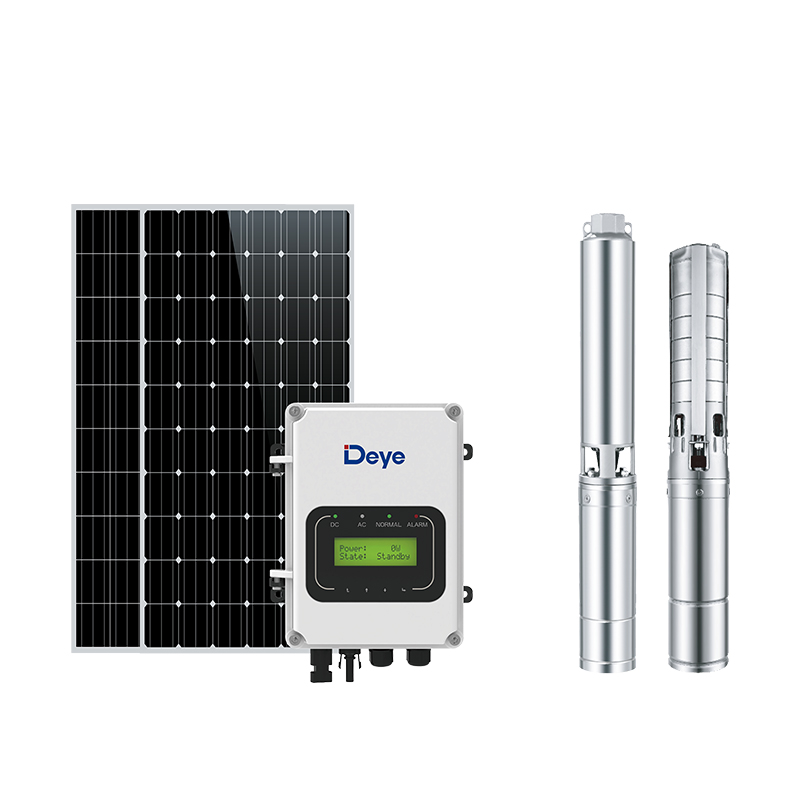
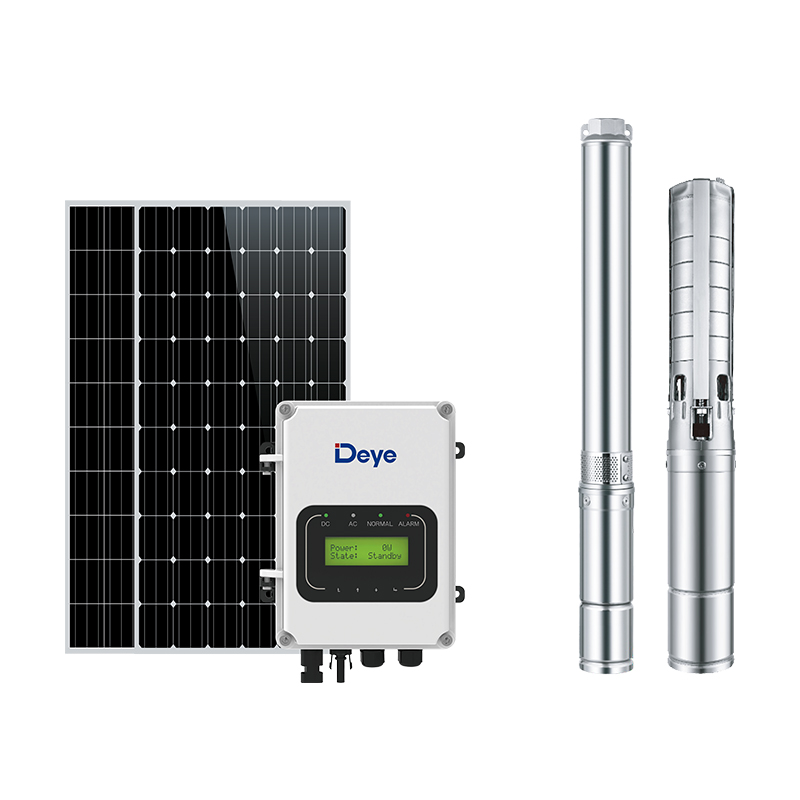

Technical Foundations of Hybrid Power Supply Mode
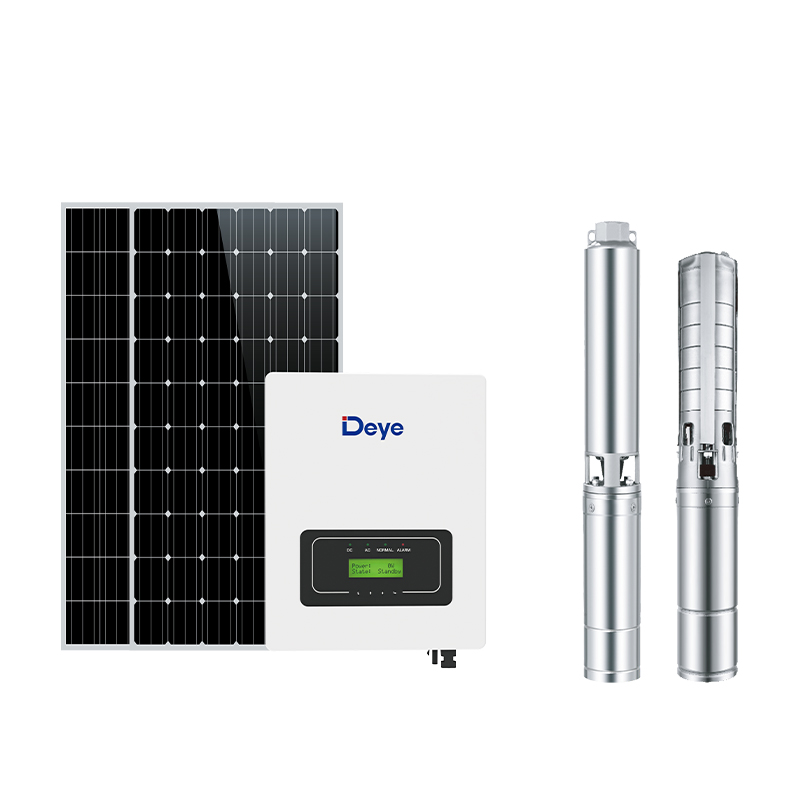
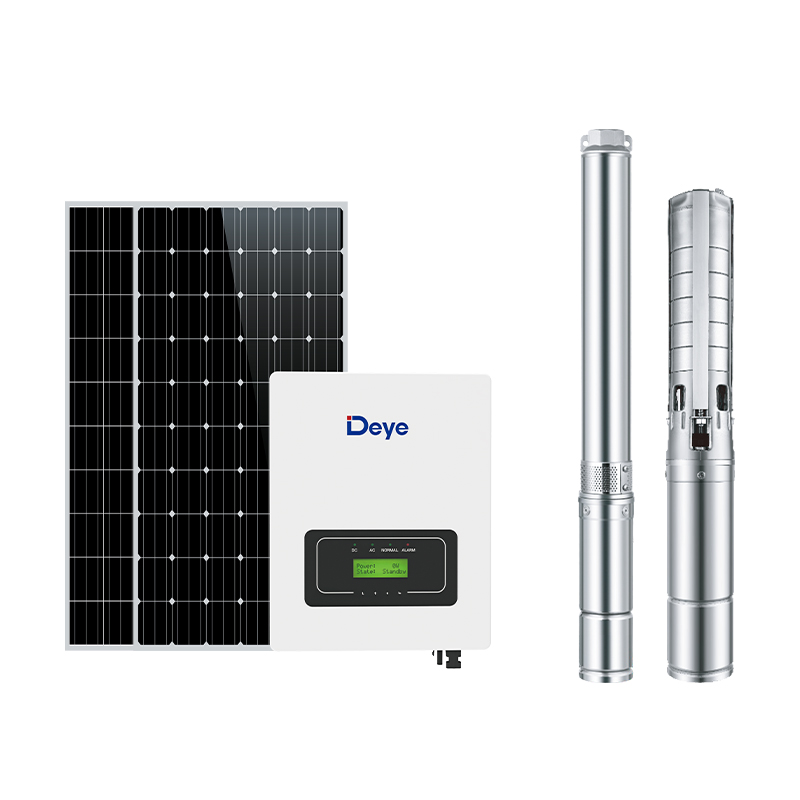
The 3" Hybrid AC/DC Solar Water Pump is a type of pumping equipment that combines solar DC power with AC power. The core of this pump design is the automatic switching between DC solar input and AC power input via an internal or external intelligent controller. In low-light conditions, when the solar panel output is insufficient, the pump's continued stable operation depends on the control system's efficient Maximum Power Point Tracking (MPPT) function and the responsiveness of the AC power compensation.
Operational Characteristics in Solar DC Mode
In DC power supply mode, the pump is powered by the power output of photovoltaic panels. Under normal sunny conditions, the voltage and current provided by the photovoltaic panels are stable, ensuring the pump operates at rated parameters. However, on cloudy or rainy days, or during periods of low light during sunrise and sunset, the photovoltaic output power will decrease.
3" Hybrid AC/DC Solar Water Pumps are typically designed with a wide voltage input range, such as 60V to 380V DC, to capture limited power to drive the pump even in low-light conditions. However, operating efficiency will decrease, and flow and head performance may be lower than nominal values. For applications with low water demand, the pump can still maintain continuous water supply to meet basic irrigation or domestic water needs.
The Key Role of MPPT Control Technology
The stability of low-light operation depends heavily on MPPT technology. The MPPT controller tracks the optimal operating point of the photovoltaic panel in real time, ensuring maximum available power is extracted from the solar modules even in low light conditions.
Without MPPT support, the photovoltaic voltage in low light conditions can easily drop below the level required to start the pump, causing the pump to frequently stop and start, or even fail to start. 3" Hybrid AC/DC Solar Water Pump with Advanced MPPT Algorithm The hybrid design extends pump operation in the morning and evening, reducing operational fluctuations in rainy weather.
AC Compensated Power Supply Stability
The greatest advantage of the hybrid design lies in AC power compensation. When the PV power is insufficient to maintain normal pump operation, the system automatically switches to AC input. The AC power can come from either the mains or a diesel generator, and the switching process typically takes hundreds of milliseconds to a few seconds, without significantly affecting water supply continuity.
This design ensures stable pumping even in low-light conditions for multiple days, making it particularly suitable for agriculture, livestock farming, and domestic water use applications where reliable water supply is crucial. The addition of AC power effectively compensates for the limitations of purely solar-powered pumps in low-light conditions.
Balance between Energy Consumption and Efficiency
When operating solely on solar power in low-light conditions, the pump's pumping efficiency may decline, but overall energy consumption remains lower than that of traditional pumps powered solely by AC power. Pumps. If equipped with a battery storage system, the energy stored by solar power during bright daylight hours can assist pump operation during low-light hours, achieving a more stable pumping pattern.
In hybrid AC/DC mode, the pump prioritizes solar power, only drawing in AC power when solar output is insufficient. This logic reduces energy costs while ensuring operational stability.
Application Scenario Analysis
In agricultural irrigation, water supply may still be required during periods of low light. For example, during early morning irrigation, even before the sun fully rises, a hybrid pump can still operate using residual sunlight or compensate with AC power. In pastoral areas or remote domestic water applications, stable low-light operation directly impacts the daily water supply for residents and livestock.
For industrial applications requiring 24-hour water supply, the hybrid mode is particularly valuable. Solar power is the primary source of power during the day, while AC power takes over at night and during periods of low light, ensuring stable water supply year-round.
