

 Español
 русский
 Français
 Português
 Deutsch
 عربى
عربى italiano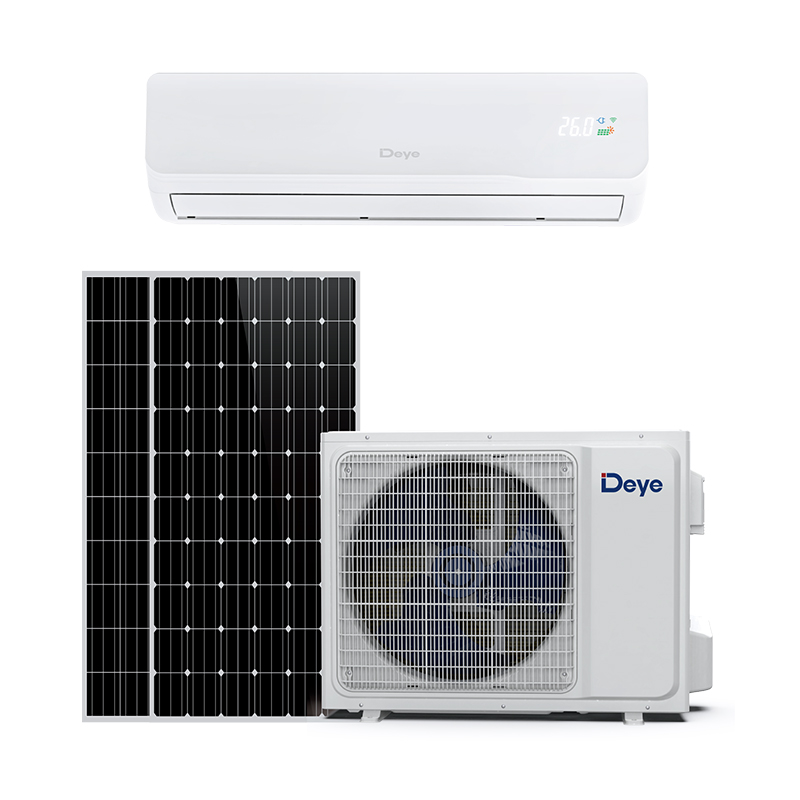
-1.jpg)

Content
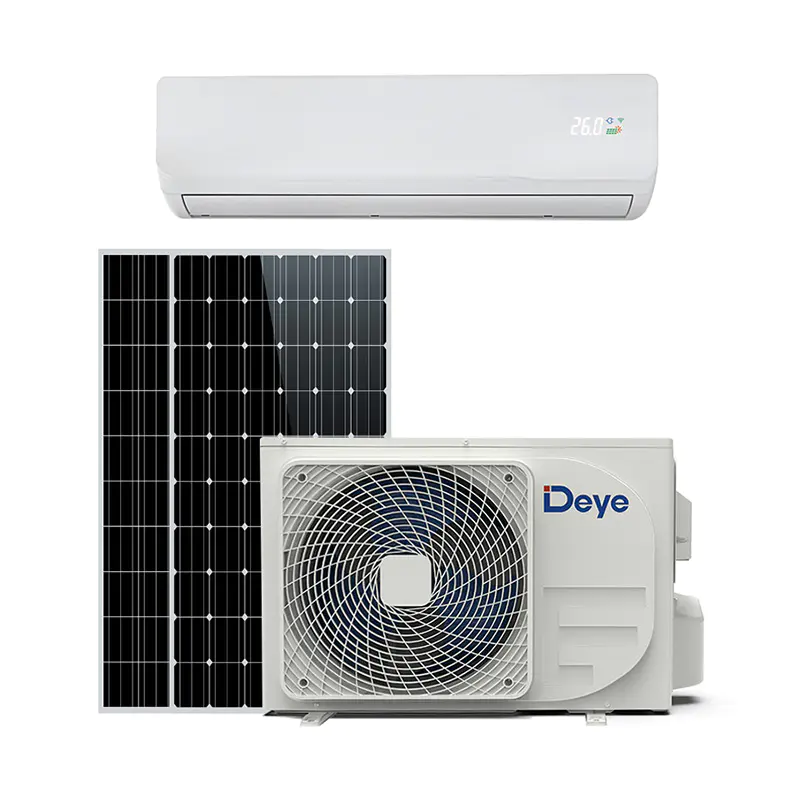
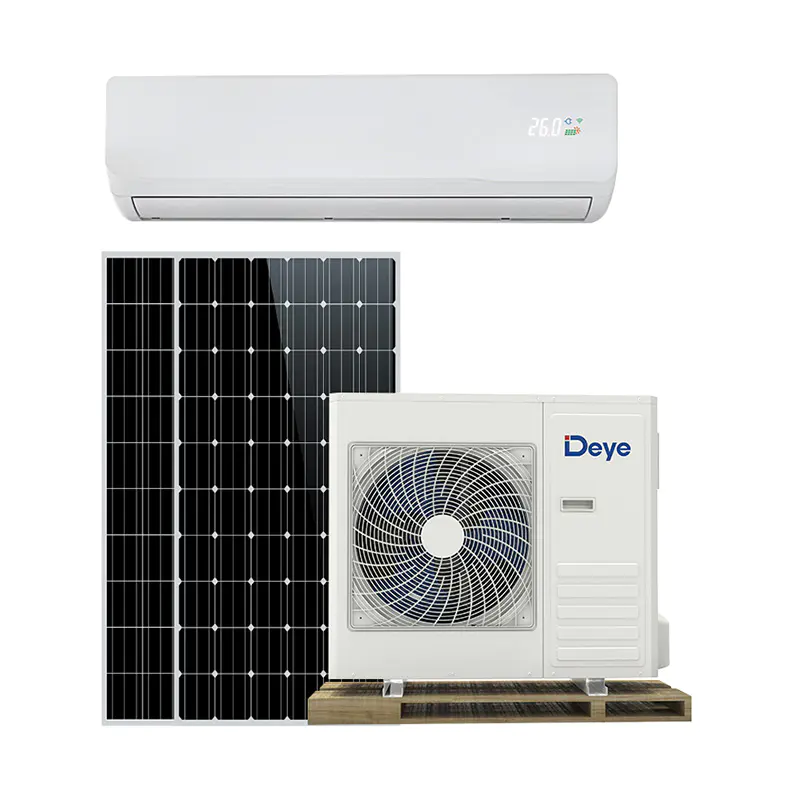
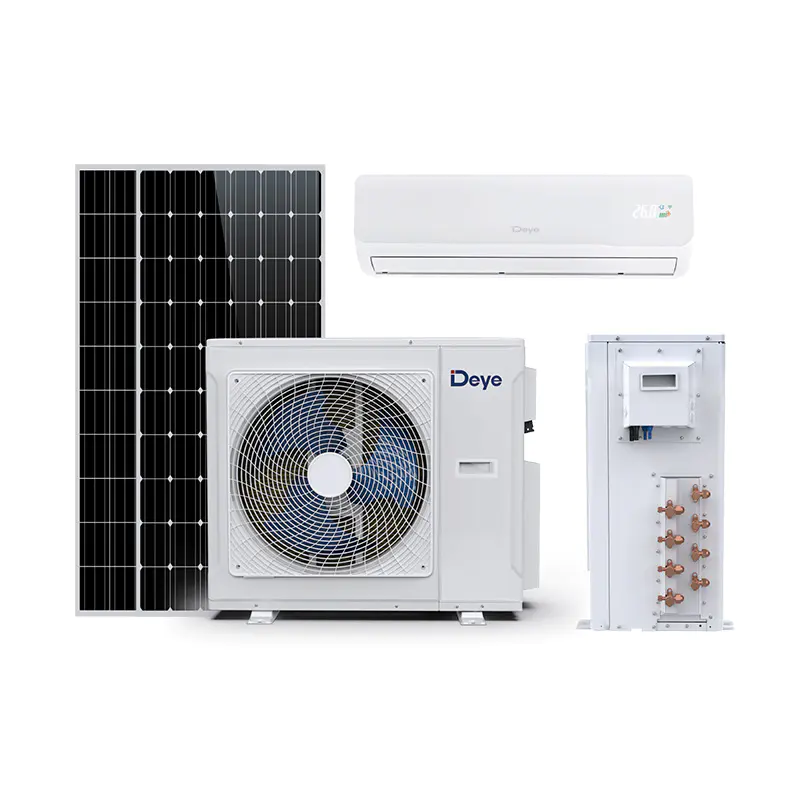
In the 2026 global transition toward sustainable energy, Hybrid ACDC technology has become a focal point for the HVAC industry. Many users and contractors inquire whether an existing Common Inverter Multi-split System can be retrofitted with an external controller to function as a solar-direct system. From the perspective of power electronics and control logic, this "add-on" approach faces significant technical barriers and safety risks.
Fundamental Architecture Differences
Understanding the difficulty of an upgrade requires analyzing the structural differences between a Common Inverter Multi-split and a native Hybrid ACDC System. A standard inverter multi-split is designed for pure AC Power input. Its internal power path typically follows: AC Input to Bridge Rectifier to DC Bus to Inverter Drive to Compressor. In this setup, the DC Bus voltage is maintained by rectified AC power, usually stabilized at 310V or higher. In contrast, a native Hybrid ACDC system is engineered with dedicated DC Terminals and an integrated MPPT (Maximum Power Point Tracking) module. Its Control Logic is designed to sense Solar Power fluctuations and synchronize them with the AC grid input in real-time.
Technical Bottlenecks of External ACDC Controllers
While some aftermarket controllers claim to convert old air conditioners into solar-ready units, practical application reveals several core issues: Physical Intervention of the DC Bus To inject Solar Power into a standard multi-split, one must physically modify the outdoor unit to access the DC Bus before the compressor drive board. This modification compromises the original electrical insulation and risks destroying the IPM Module (Intelligent Power Module) due to in-rush currents or voltage mismatches. Furthermore, different brands like Daikin, Mitsubishi, or Gree have unique Voltage Ripple requirements that generic controllers cannot satisfy. Absence of Power Prioritization Logic Native Hybrid ACDC systems feature "Solar Priority" logic. When PV Panels generate sufficient energy, the system automatically reduces consumption from the Grid Power. An external controller cannot communicate with the air conditioner's Main PCB. Consequently, the unit cannot "know" how much solar power is available, often leading to Over-voltage Protection errors or power being fed back into the grid unexpectedly. MPPT Response and Dynamic Load Balancing In a Multi-split System, power demand fluctuates wildly as different Indoor Units cycle on and off. Native systems link MPPT tracking directly with Compressor Frequency. An external controller provides only static voltage support. If solar intensity drops suddenly due to cloud cover, an external device rarely reacts at the microsecond speeds required, causing DC Bus instability and triggering error codes like communication failures or inverter module protection.
Safety Hazards and Compliance Risks
From an industry standard perspective, retrofitting an ACDC controller involves severe compliance risks: DC Arc and Fire Hazard High-voltage DC wiring between an external controller and a modified air conditioner is prone to DC Arc if not handled with specialized connectors and housing. This is a leading cause of electrical fires in solar installations. Warranty Voiding Any modification to the internal circuitry of the Outdoor Unit or Indoor Unit immediately voids the manufacturer’s Warranty. EMI/EMC Interference Added power conversion devices generate high-frequency electromagnetic interference. This can disrupt the sensitive sensors and communication lines of the multi-split system, leading to EEPROM Errors or drifted sensor readings.
The Necessity of Native Integration
While it is theoretically possible to inject high-voltage DC into a bus via an external booster, the stability in a complex Multi-split System is extremely poor. 2026 market data indicates that failure rates for retrofitted controllers are significantly higher than those of native Hybrid ACDC systems. Native systems equipped with a Dual Power Management module calculate the destination of every watt of Solar Power. This level of software integration is impossible to replicate with "patch-style" external hardware, making native systems the only reliable choice for achieving high COP (Coefficient of Performance) and Energy Saving goals.
| Feature | Native Hybrid ACDC | Standard System + External Controller |
| Control Logic | Integrated Solar & Inverter Sync | None (External Bypass Only) |
| Installation Safety | Factory Certified / Plug-and-Play | High-risk Manual Circuit Modification |
| Warranty | Full Manufacturer Support | Voided |
| Efficiency (MPPT) | 99% Optimized | Variable / Low Compatibility |
