

 Español
 русский
 Français
 Português
 Deutsch
 عربى
عربى italiano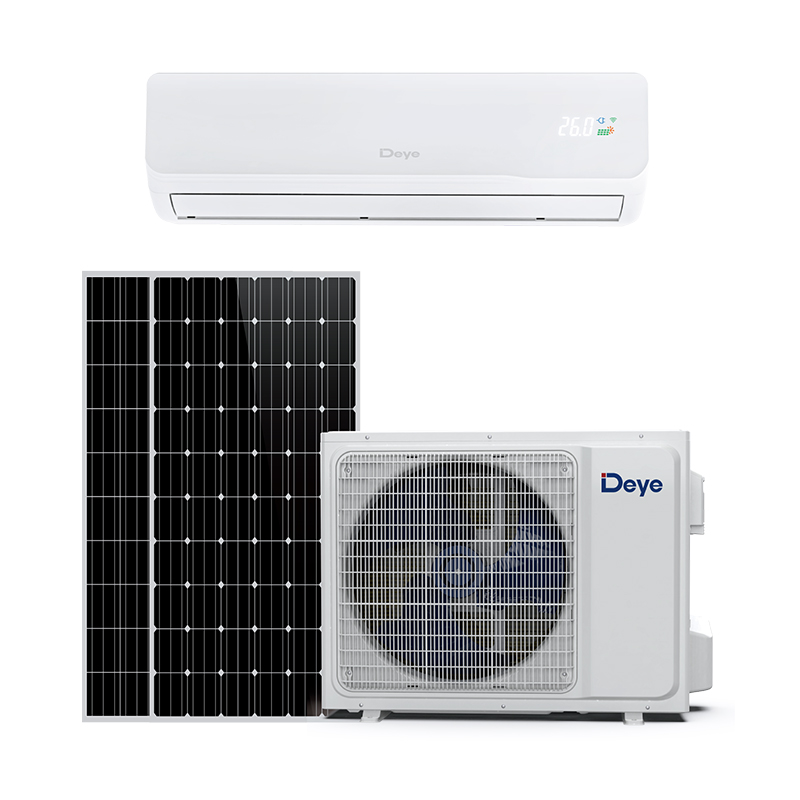
-1.jpg)

Content
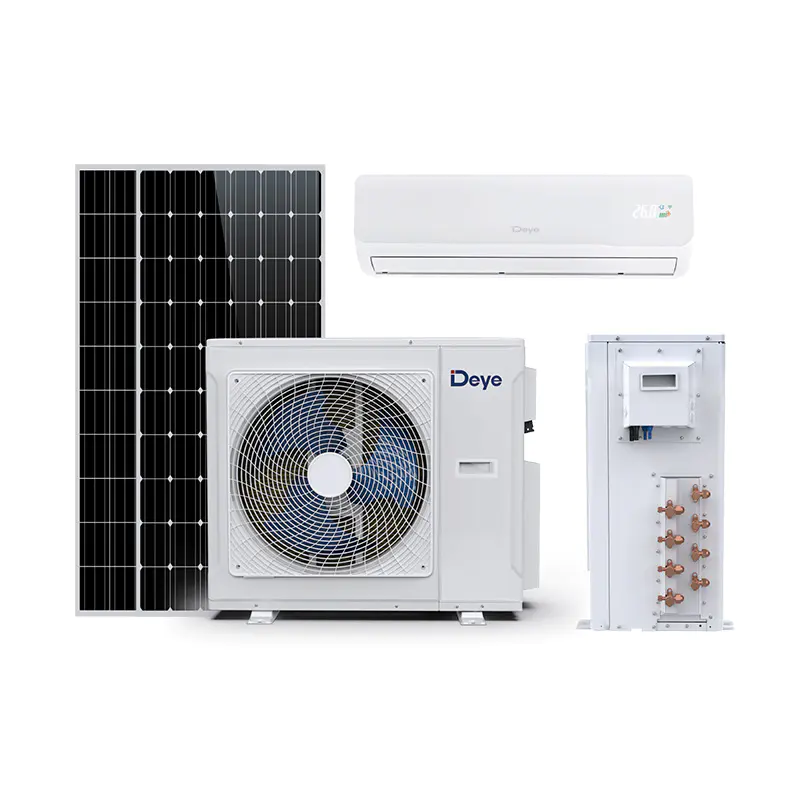
With the acceleration of the global energy transition and rising electricity costs, the solar ac system has become a core technical solution for improving indoor environmental comfort and energy management efficiency. Whether in remote areas without grid coverage or architectural environments aimed at reducing operating expenses through technological innovation, the solar air conditioner has demonstrated extremely high economic value and technical utility. This article provides an in-depth analysis of the system's operating mechanisms and selection logic from a professional engineering perspective.
Core Operating Principle: High-Efficiency Heat Exchange Mechanism
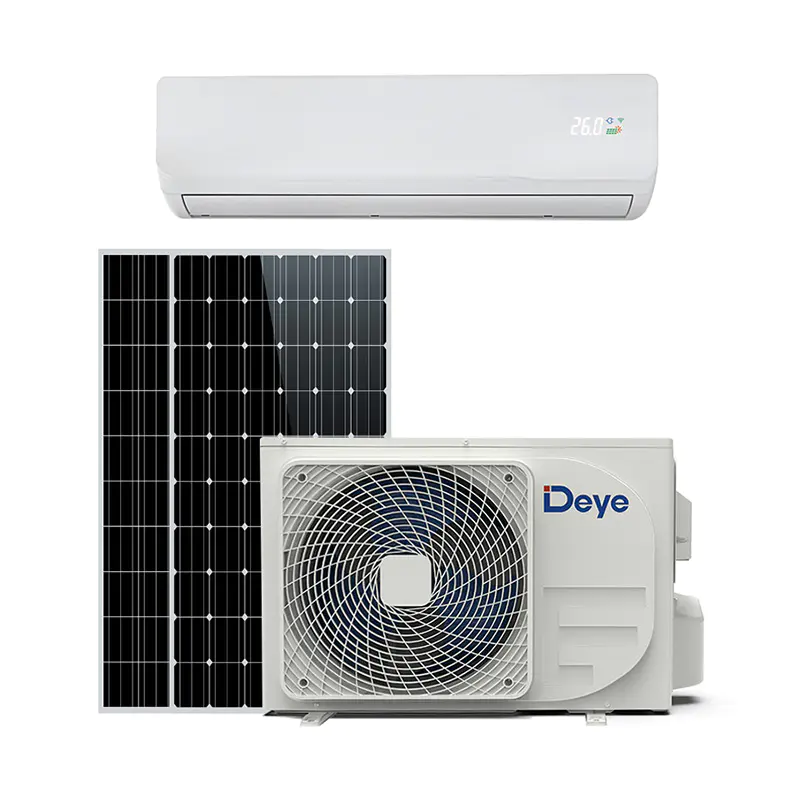
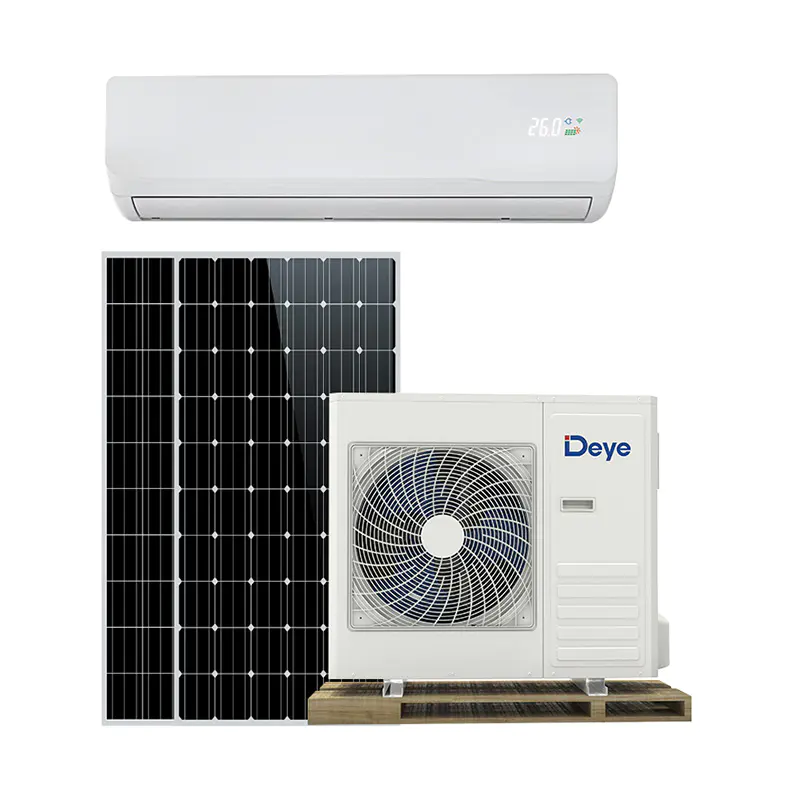
The core logic of a well-designed solar ac unit system lies in the deep coupling of photovoltaic power generation technology with DC inverter compressors. Unlike traditional air conditioning systems that rely heavily on the AC power grid, a solar powered air conditioner directly converts sunlight into DC electricity via photovoltaic modules to drive the internal compressor and fans.
In terms of technical architecture, advanced systems utilize a direct DC-driven scheme, which eliminates the multiple energy conversion steps that typically lead to efficiency losses. When solar irradiance peaks, the system prioritizes the consumption of PV power. When weather conditions fluctuate or sunlight is insufficient, the inverter control strategy seamlessly blends grid power to ensure continuous cooling output. This dynamic balancing capability is critical for maintaining stable indoor temperature and humidity while keeping power consumption minimal.
Key Technical Configuration Comparison
To provide a clearer understanding of the energy efficiency differences between various cooling options, a quantitative analysis of power and performance for common configurations is detailed below:
| Air Conditioner System Type | Average Operating Power (W) | Recommended solar ac Configuration | Applicable Scenarios |
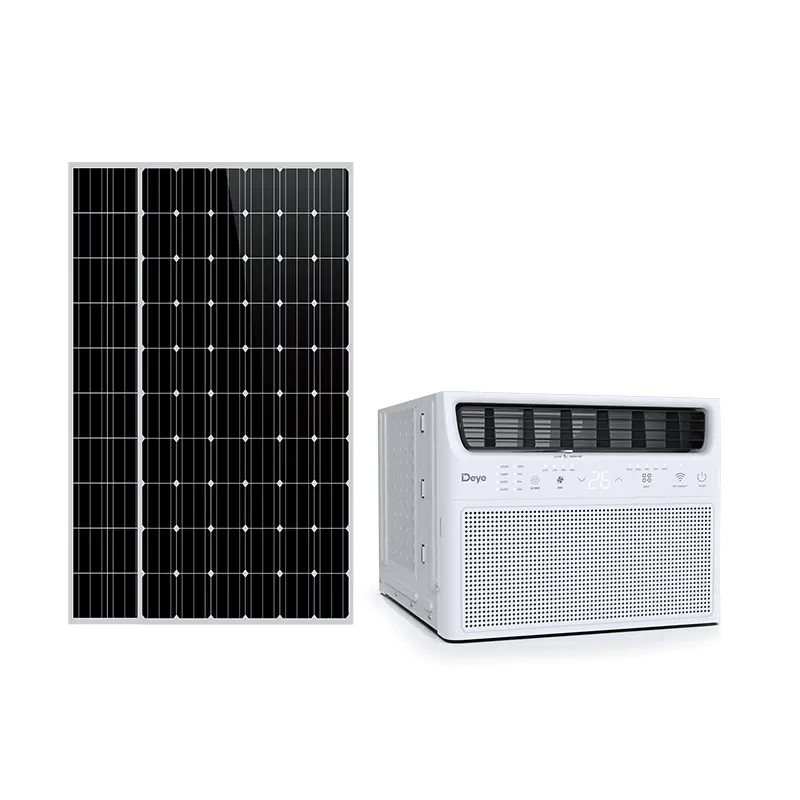
| Small Window Unit | 500 – 600W | 2-3 PV Panels | Bedrooms, Small Offices |
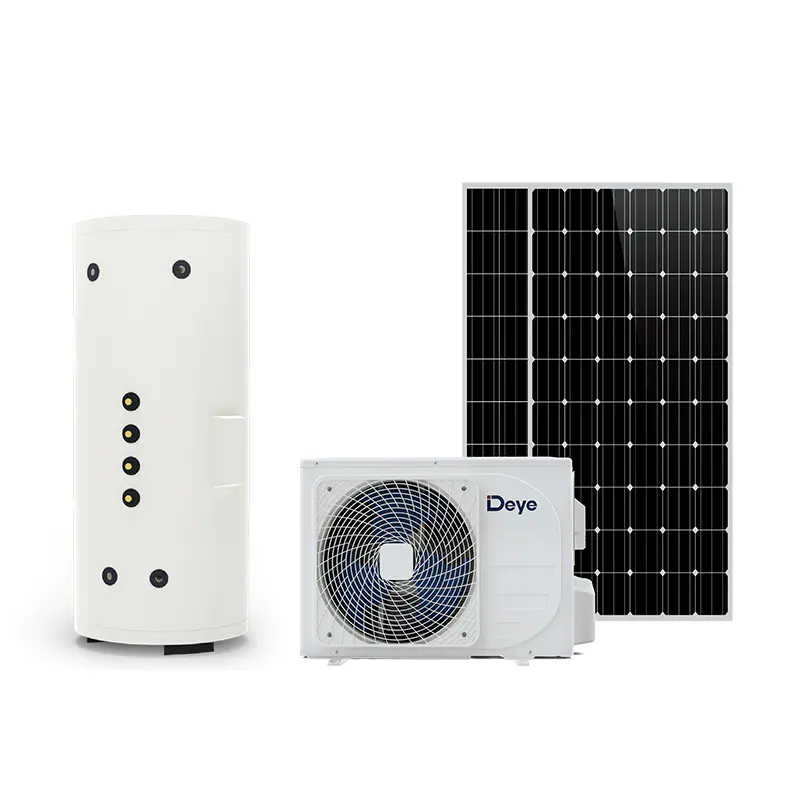
| solar powered mini split | 700 – 900W | 3-4 PV Panels | Medium Living Rooms, Residential |
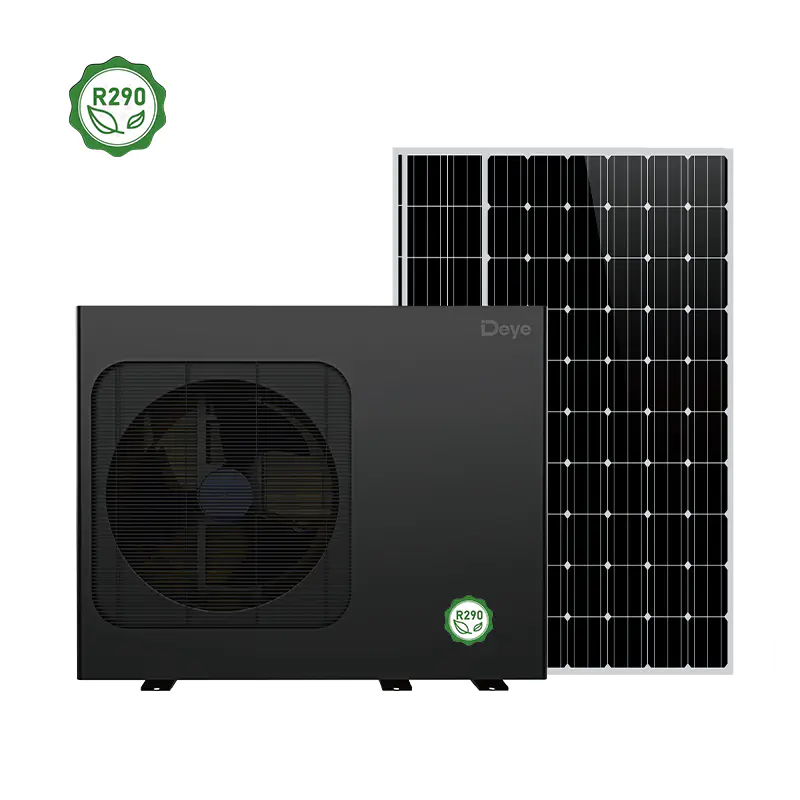
| Large Split System | 1000 – 1500W | 4-5 PV Panels | Spacious Living Rooms, Studios |
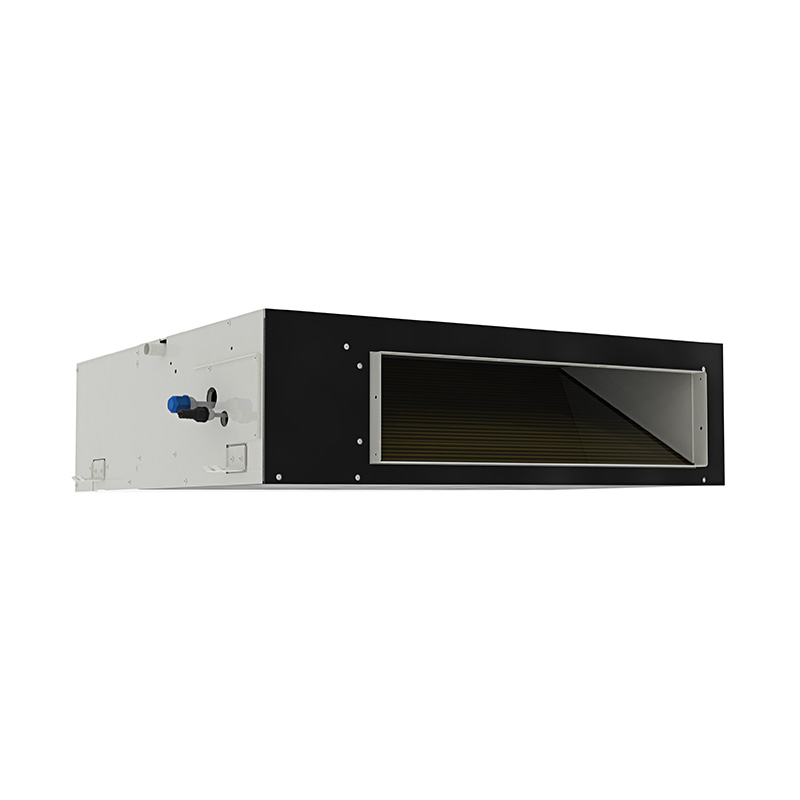
| Medium Central System | 2500 – 3300W | 7-9 PV Panels | Multi-room, Large Flats |
Installation and System Selection Logic
When configuring an off grid air conditioner or a grid-tied system, the scientific alignment of equipment directly determines the full lifecycle performance of the system.
Load Calculation: Before designing the system, precise estimations must be made based on the BTU cooling requirements of the space. A 12,000 BTU system generally corresponds to 1 ton of cooling capacity. Selection should prioritize equipment with high SEER2 (Seasonal Energy Efficiency Ratio) ratings.
Photovoltaic Array Layout: A solar powered mini split system eliminates the need for expensive inverters or complex battery banks by connecting PV modules directly to the outdoor unit. This approach simplifies installation steps and reduces the required space on installation surfaces. PV modules can be flexibly installed on ground mounts, courtyard awnings, or walls, provided they face south (in the Northern Hemisphere) and are free from significant shading.
Environmental Adaptability: Modern high-quality systems are usually equipped with a wide voltage regulation range. This allows the system to maintain high-efficiency inverter adjustments even during overcast weather, preventing frequent startups and shutdowns, which extends the operational lifespan of core components.
Professional Maintenance and Operating Strategies
To ensure the system remains in optimal performance status over the long term, professional-grade maintenance goes beyond cleaning air filters and must focus on specific technical aspects:
Refrigerant Cycle Inspection: Ensure that the copper pipe connections are well-sealed to prevent refrigerant leaks, which cause a drop in energy efficiency.
Inverter Controller Optimization: Regularly check the status of the controller to ensure it automatically switches to the most energy-saving drive mode under varying sunlight conditions.
Heat Dissipation Environment Optimization: Outdoor units should be installed in well-ventilated environments that avoid long-term dust accumulation. This effectively enhances the heat exchange efficiency of the condenser, thereby lowering current consumption during high-load operations.
By properly deploying solar ac technology, building operators can achieve long-term energy savings while significantly enhancing the operational reliability of their air conditioning systems. This technical approach, based on the direct coupling of DC inverters with solar energy, addresses energy cost pressures and provides a highly autonomous solution for indoor climate control.
