

 Español
 русский
 Français
 Português
 Deutsch
 عربى
عربى italiano


-1.jpg)



Content
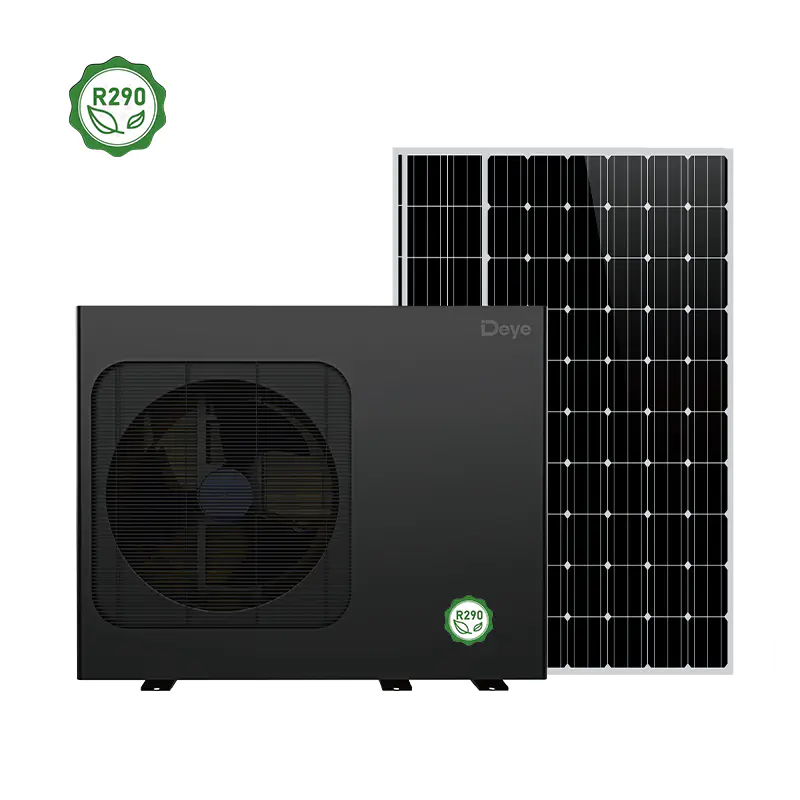
In the field of modern thermal management, energy utilization efficiency and system stability are the core indicators for measuring equipment performance. solar heat pump relies on its ability to deeply excavate environmental thermal energy and is gradually becoming the mainstream choice for various building and industrial applications. When we combine this technology with photovoltaic energy, the solar powered heat pump system demonstrates excellent energy self-sufficiency potential. Especially under the architecture of a hybrid solar heat pump system, the system can automatically adjust energy sources based on real-time solar intensity and environmental demands to ensure efficient operation under different weather conditions.
Technical Core: Working Principles and Advantages
The core logic of a solar heat pump lies in the transfer of heat rather than direct generation, which gives it extremely high thermal efficiency. The system uses a refrigerant cycle to absorb low-grade thermal energy from the air, increases the temperature through compressor pressurization, and then releases the heat to water or air through a heat exchanger.
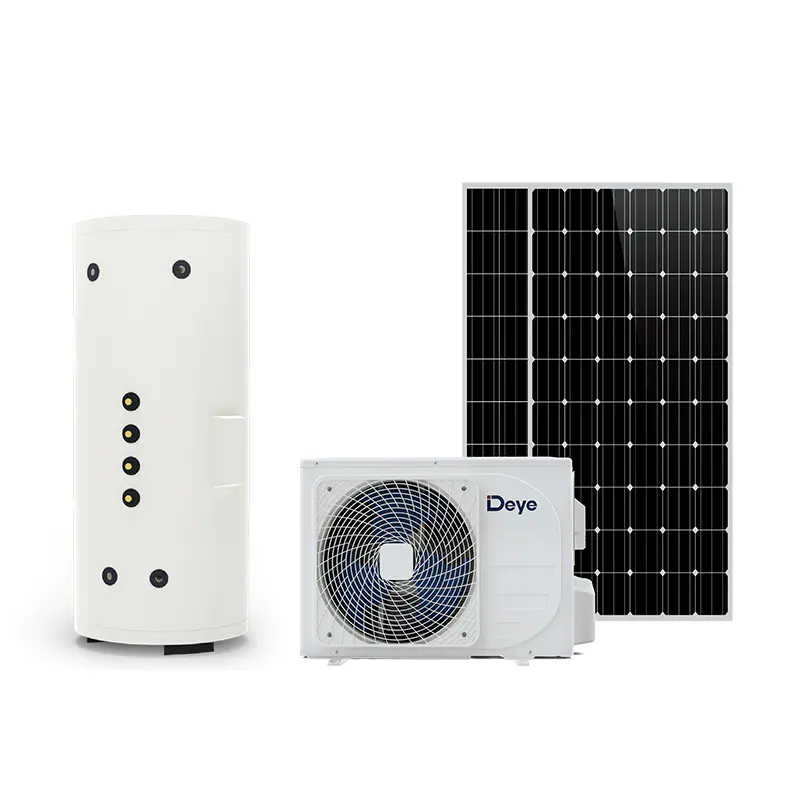
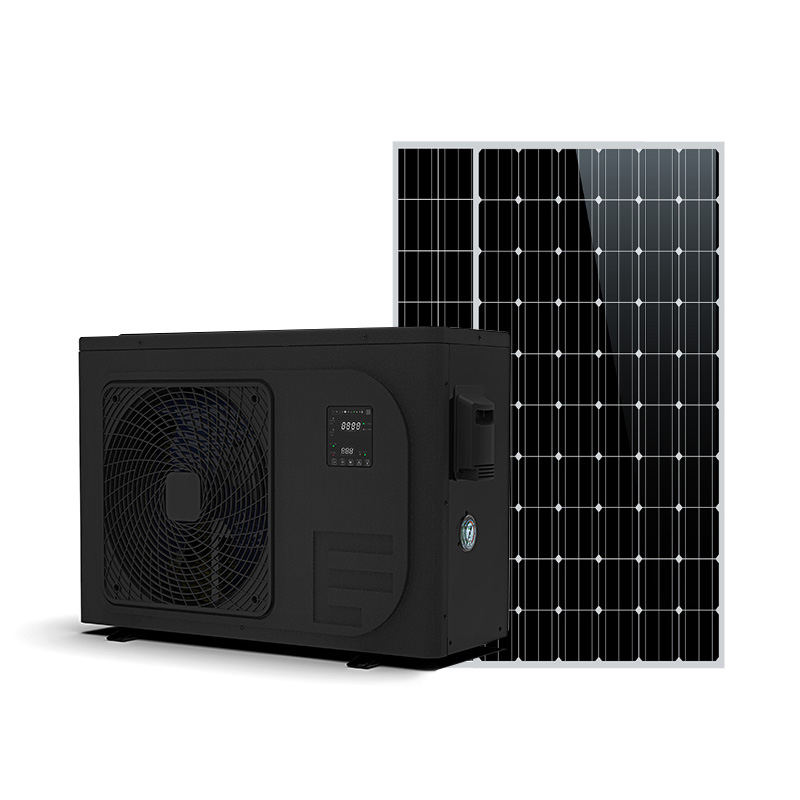
At the application level, the configuration of a solar heat pump system is flexible. For large water environments, solar heat pump for pool and solar pool heat pump can effectively solve the high energy consumption problems caused by traditional heating methods through precise heat exchange control. In the field of domestic hot water, the design focus of solar water heater pump and solar hot water pump is on how to achieve continuous constant water temperature, ensuring that hot water can be obtained through the heat pump mode even on cloudy days or at night.
The professional application case of swimming pool solar pump proves that the system combined with photovoltaic technology not only significantly reduces operating costs but also reduces dependence on the power grid.
Parameter Comparison: Performance and Efficiency Evaluation
To more intuitively understand the technical performance of different heat pump systems, the following table lists the key technical parameter differences between solar heat pump and traditional electric heating and conventional hot water circulation systems:
| Technical Index | solar heat pump | Traditional Electric Heating System | Gas Heating System |
| Coefficient of Performance (COP) | 3.5 - 5.0 | 0.95 | 0.80 - 0.90 |
| Energy Source | Environmental thermal energy + solar energy | Grid electricity | Natural gas/LPG |
| Operating Energy Consumption | Extremely low (mainly compressor electricity) | Extremely high | Moderate |
| Climate Adaptability | Wide (includes low-temperature compensation technology) | Strong | Strong |
| Environmental Impact | Low carbon, no combustion | High carbon | Medium-high carbon |
| Service Life | 15 - 20 years | 8 - 12 years | 10 - 15 years |
Professional Solutions for Different Scenarios
For specific applications, such as the design of a solar heat pump for pool, the system needs to have extremely strong anti-corrosion capabilities and pressure resistance. Because swimming pool water usually contains chemical treatment agents, the material selection of the heat exchanger (such as titanium metal) directly affects the service life of the system.
In the engineering configuration of a hybrid solar heat pump system, the intelligent control unit is the brain of the system. It can monitor the DC voltage output of photovoltaic panels and external ambient temperature in real time. When there is sufficient sunlight, the system prioritizes the use of solar energy to drive the compressor, reducing grid input; when the ambient temperature drops sharply or sunlight is insufficient, the system automatically switches to a hybrid mode or auxiliary electric heating to ensure the continuity of hot water supply.
The optimization focus of a solar hot water pump lies in flow control and circulation matching. By accurately calculating water tank capacity and thermal load requirements, a professional-grade heat pump circulation pump can ensure uniform heat distribution, reduce localized overheating or cold/hot layering phenomena, thereby improving the heat exchange rate of the entire system.
Operations and System Life Guarantee
A high-performance solar heat pump system requires scientific installation layout. For example, the outdoor host needs to be placed in an area with good ventilation to improve heat absorption efficiency, and the collector components must ensure the best lighting angle. Routine professional inspections not only include the detection of refrigerant pressure, but also cleaning of the filtration system to prevent flow channel blockage from affecting heat exchange performance. Through these standardized operations, the service cycle of the equipment can be significantly extended, ensuring that it maintains stable heat output under various complex operating conditions.
