

 Español
 русский
 Français
 Português
 Deutsch
 عربى
عربى italiano
-1.jpg)
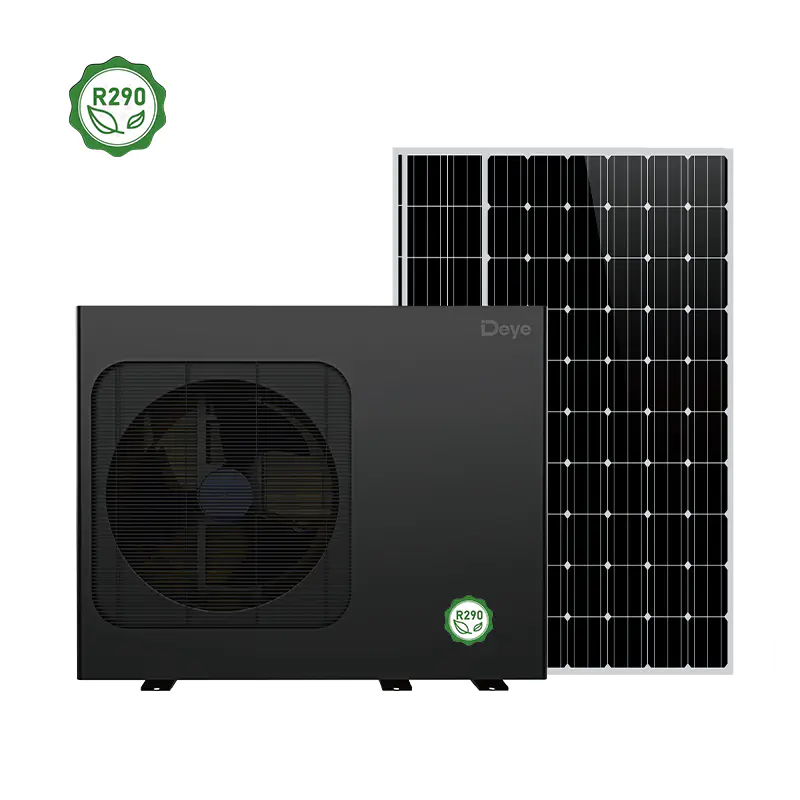
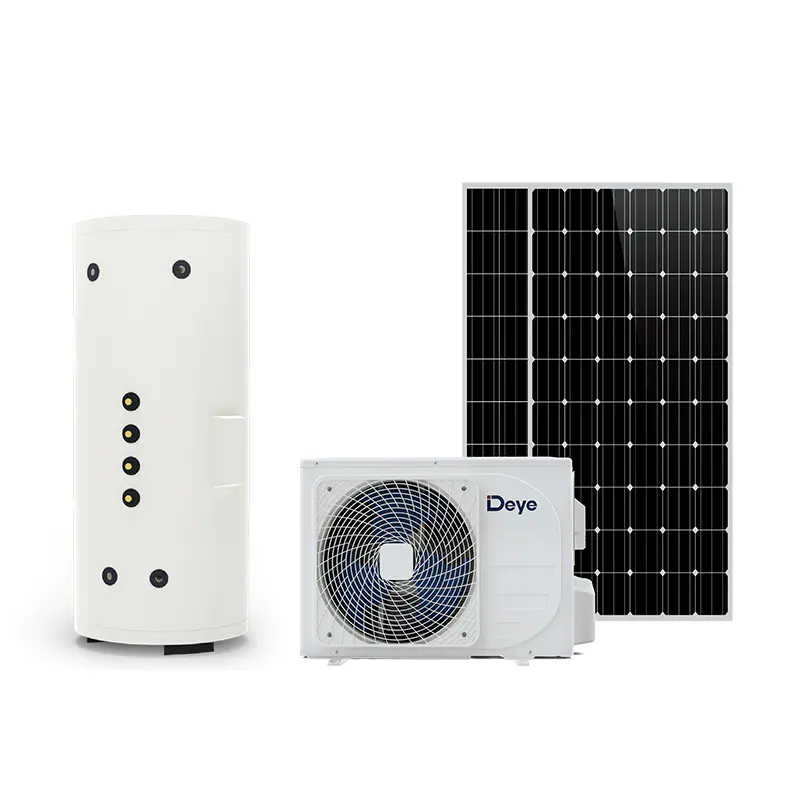
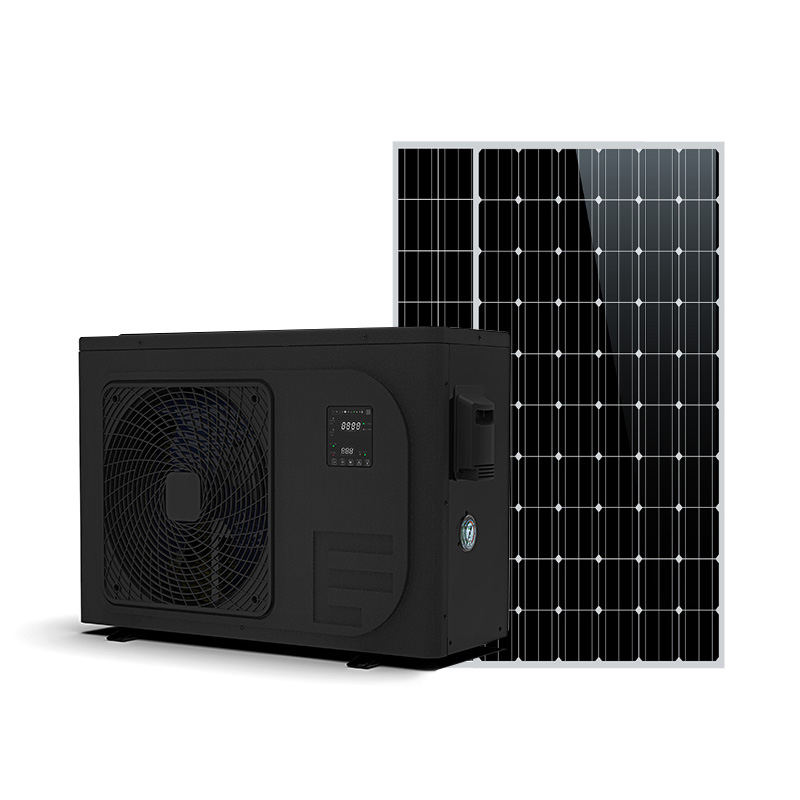
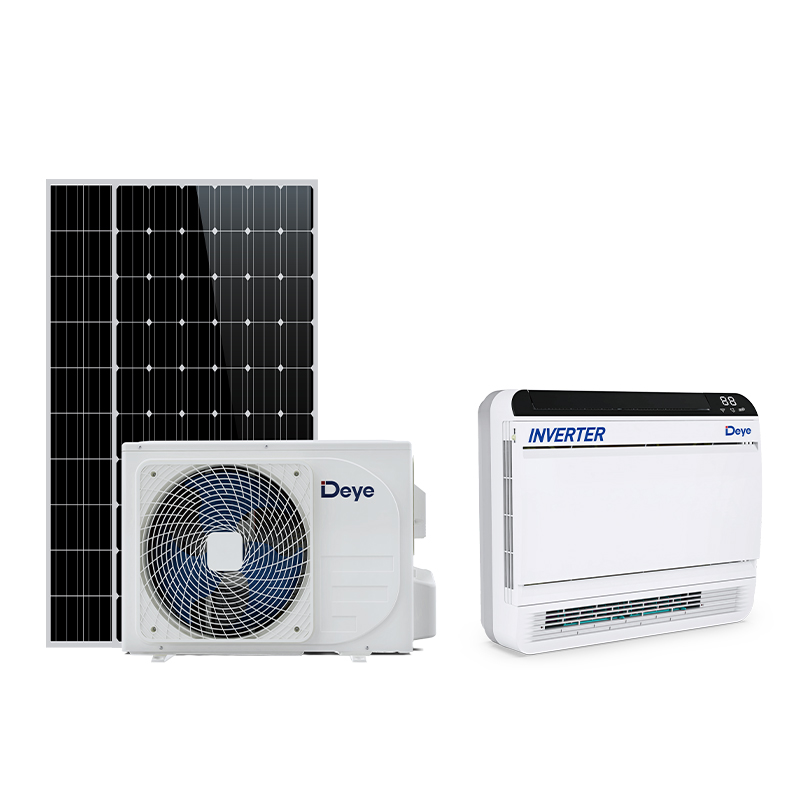
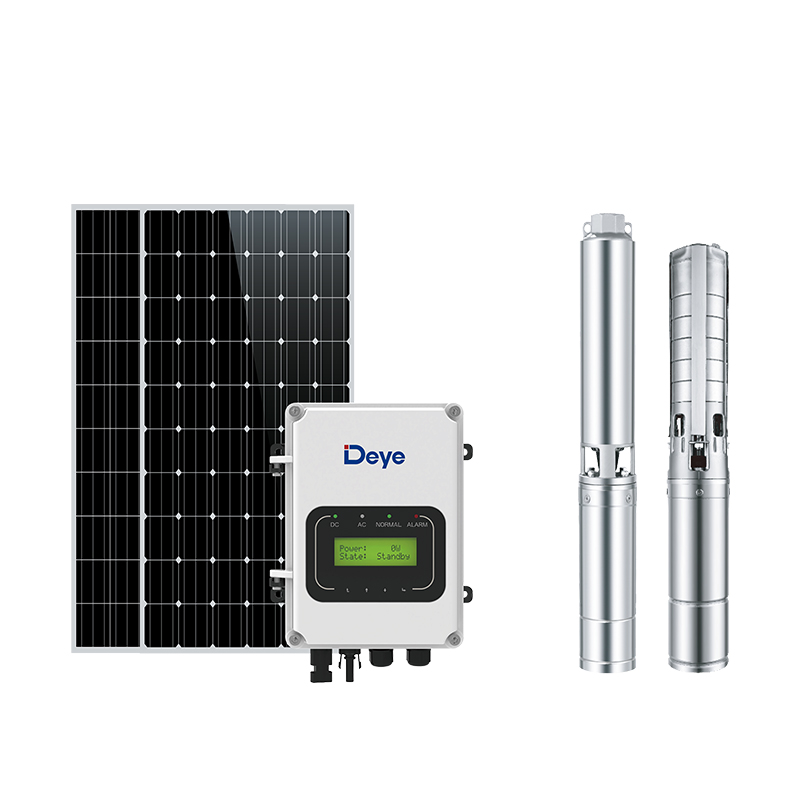
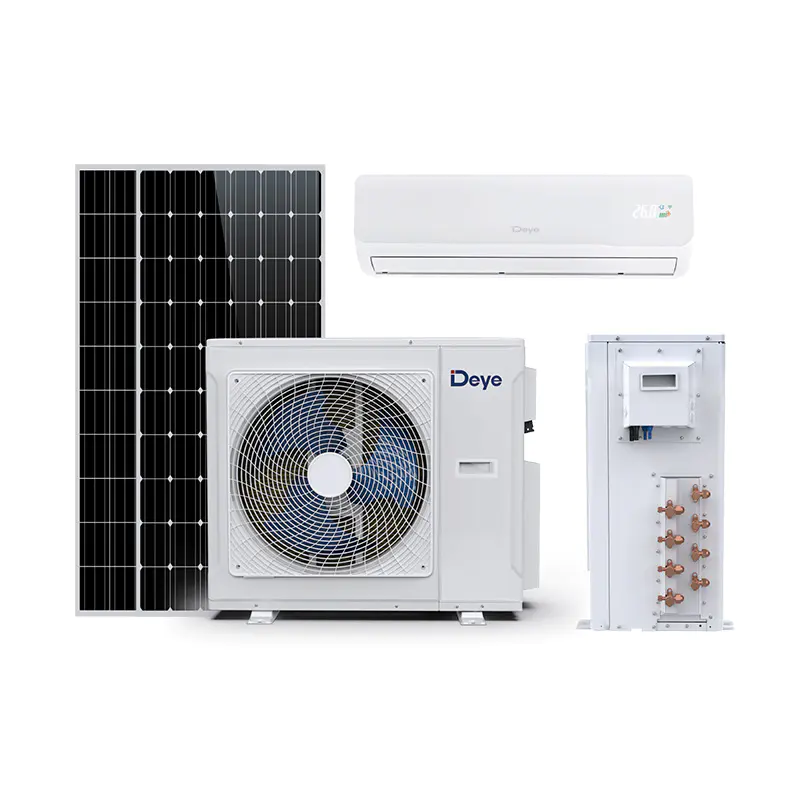

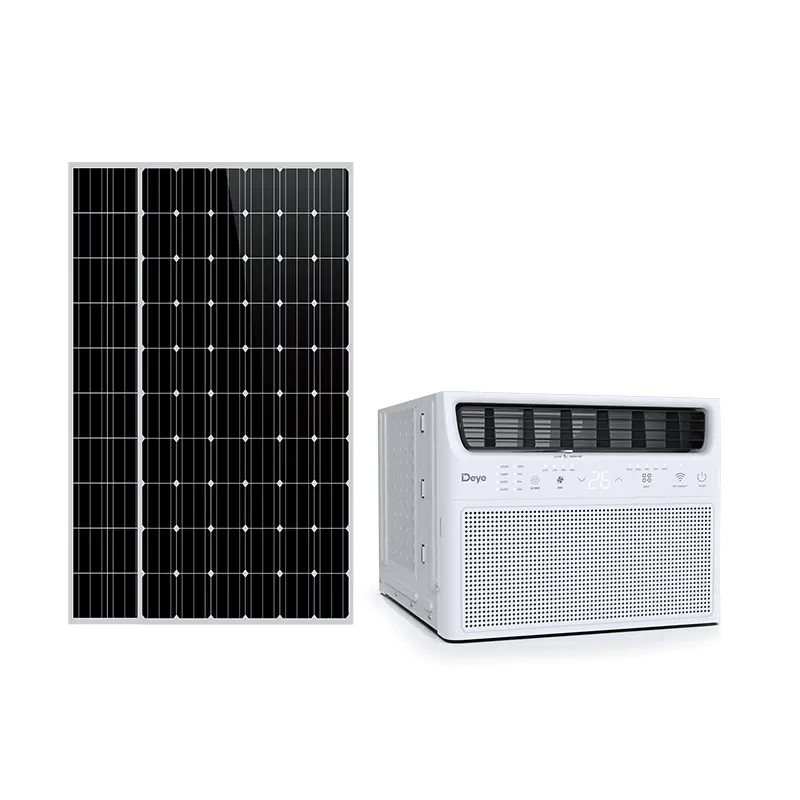
Solar air source water heaters (SAWHs) play a vital role in driving energy transition in urban buildings. However, in high-density urban environments, the installation and operation of their key components—solar collectors and heat pump outdoor units—face a series of specialized engineering challenges, primarily in terms of installation space, structural load-bearing capacity, and noise emissions.
Solutions to Spatial Integration Challenges
In urban buildings, rooftop and exterior wall space is often very limited, requiring precise planning to meet floor area ratio and aesthetic requirements.
1. Vertical and Facade Deployment of Solar Collectors
Traditional tilted installation collectors require a large projected area. In urban environments, professional engineering projects tend to utilize building-integrated solar thermal (BIST) technology.
Facade Integration: Flat-plate collectors are integrated into the building facade, replacing traditional curtain wall materials. This not only conserves rooftop space but also leverages the vertical facade for aesthetic appeal and sun shading. While facade installation sacrifices some of the heat collection efficiency gained from the optimal inclination angle, its spatial efficiency and architectural value are even more significant in urban projects.
Balcony and Railing Integration: Small modular collectors are integrated into residential balcony railings or beneath sunshades. This distributed installation strategy transforms previously unused space into energy-generating space and is particularly suitable for high-rise residential buildings.
Split and Modular: Using a split system design, the collector modules are distributed across multiple available small spaces (such as equipment platforms and ventilation shafts), connected to a centralized thermal storage tank via specialized piping, enhancing space flexibility.
2. Compact and Concealed Heat Pump Outdoor Units
Outdoor heat pump units require ample ventilation and heat dissipation space while also meeting urban landscape requirements.
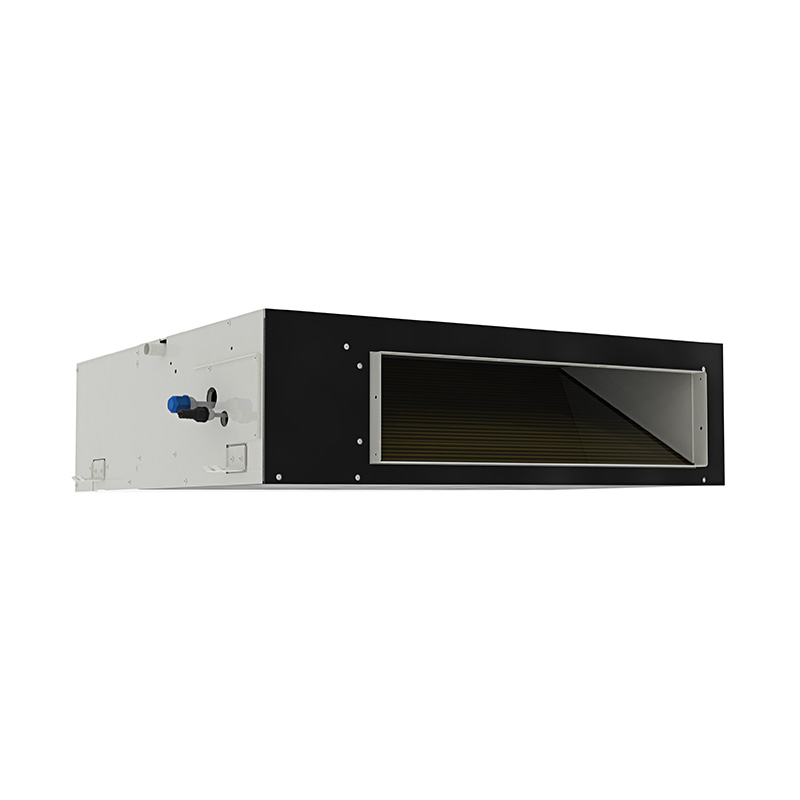
Ultra-Slim and Modular Design: Select ultra-slim air-cooled heat pump units or employ multi-split modular heat pumps, arranged in parallel to accommodate narrow equipment platforms.
Centralized Equipment Platform: During the initial building design phase, plan a dedicated mechanical equipment floor or centralized rooftop equipment area. Install the equipment concealed with soundproof enclosures and louvers to ensure adequate airflow around the heat pump.
Structural Load-Bearing and Safety Measures
The weight of solar collectors, heat storage tanks (especially when full), and heat pump units poses structural load-bearing challenges for existing or high-rise buildings.
Distributed Load-Bearing Strategy: Avoid concentrating all equipment in a single load-bearing area. Distribute the weight of the collectors across the roof's primary beams or shear walls, rather than secondary beams or the center of the floor slab.
Lightweight Collector Technology: Prefer lightweight heat pipe evacuated tube collectors or lightweight flat-plate collectors to reduce additional loads on the roof structure.
Deploying Heat Storage Tanks at the Bottom or Lower Levels: Heat storage tanks, especially large centralized ones, are extremely heavy when full. Professional designs typically require the placement of heat storage tanks in areas with strong structural load-bearing capacity, such as the building's basement, equipment level, or podium roof. Efficient circulation pumps transport heat to the collectors and distribute it to various water points, avoiding excessive loads on high-rise rooftops.
Wind Load Calculation: On high-rise rooftops, wind loads often exceed the weight of the equipment. Rigorous wind pressure calculations and structural anchoring designs are required, employing a combination of embedded anchor bolts and counterweights to ensure the system's structural safety in extreme weather conditions.
Professional Noise Emission Control and Mitigation
The mechanical and airflow noise generated by heat pump outdoor units during operation are a source of complaints in urban environments and must be strictly controlled through acoustic design to meet urban environmental noise standards.
Low-Noise Unit Selection: Selecting an ultra-low-noise heat pump unit with an inverter compressor and a large-diameter, low-speed fan is key to reducing sound source intensity at the source.
Vibration Damping and Isolation Technology: High-efficiency vibration damping pads or spring isolators are installed under the unit base to effectively block structure-borne noise from reaching the building structure.
Sound Absorption and Insulation: Acoustic barriers or enclosures are installed around the equipment platform. The barrier's material and height must be carefully considered based on acoustic calculations to ensure it effectively blocks sound transmission paths, especially toward sensitive areas (such as bedroom windows).
Nighttime Quiet Mode: An intelligent control system automatically switches to Quiet Mode during nighttime hours, appropriately reducing compressor and fan speeds to meet stricter nighttime noise limits.
