

 Español
 русский
 Français
 Português
 Deutsch
 عربى
عربى italiano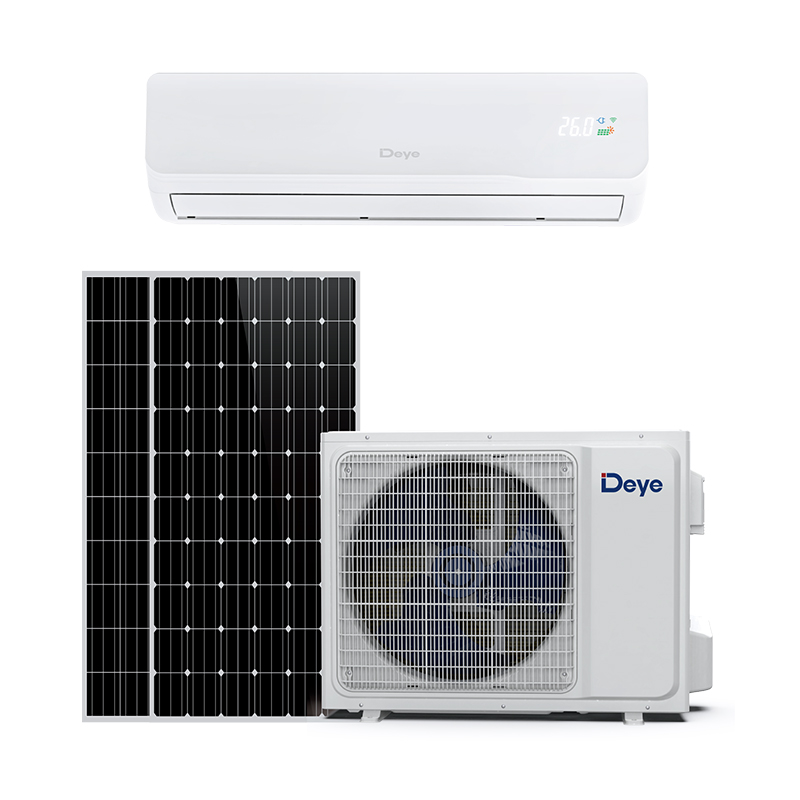
-1.jpg)
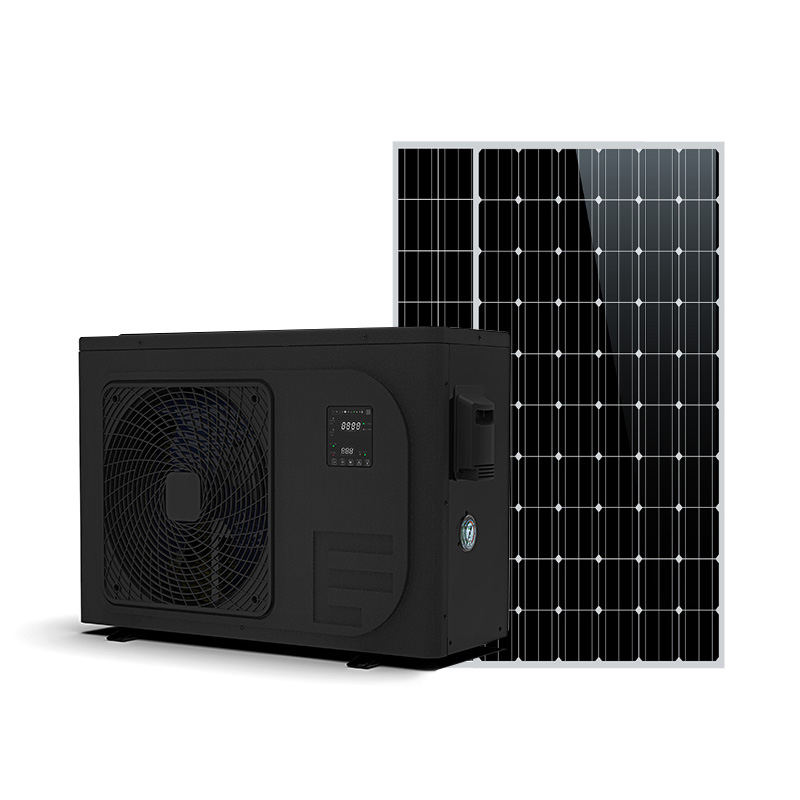
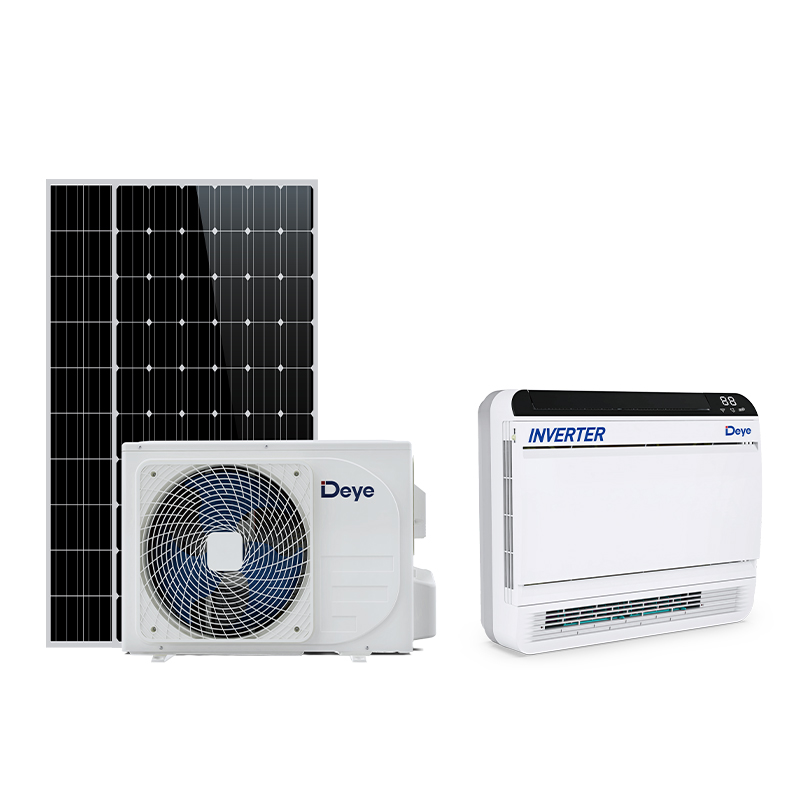
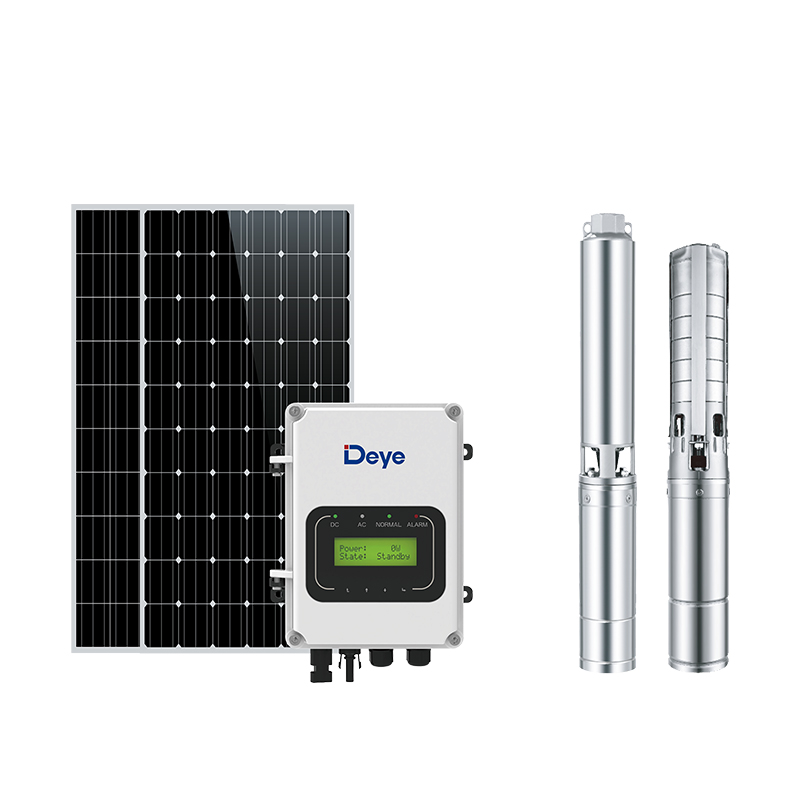
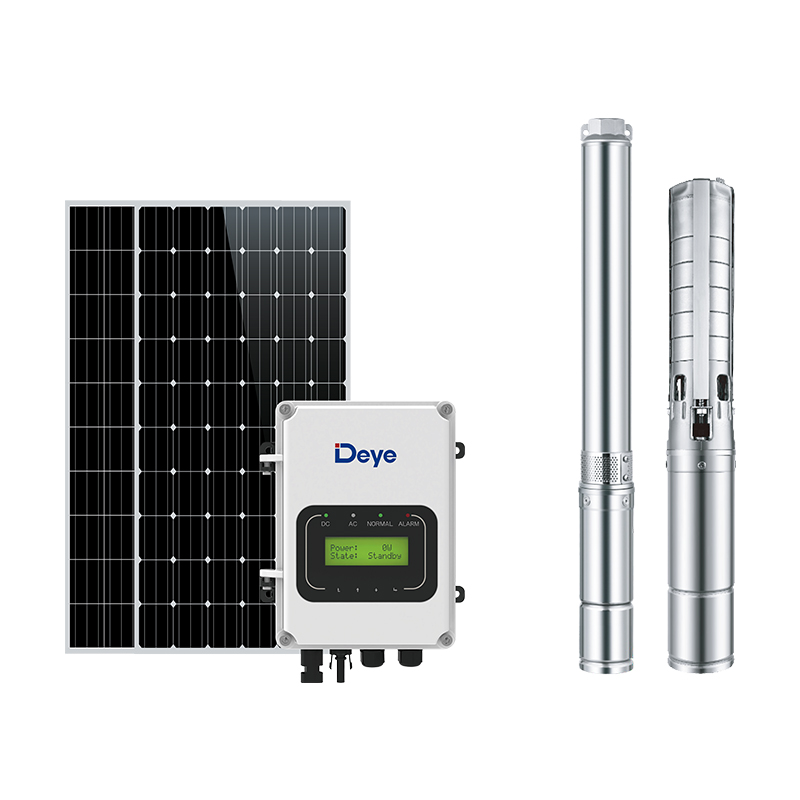
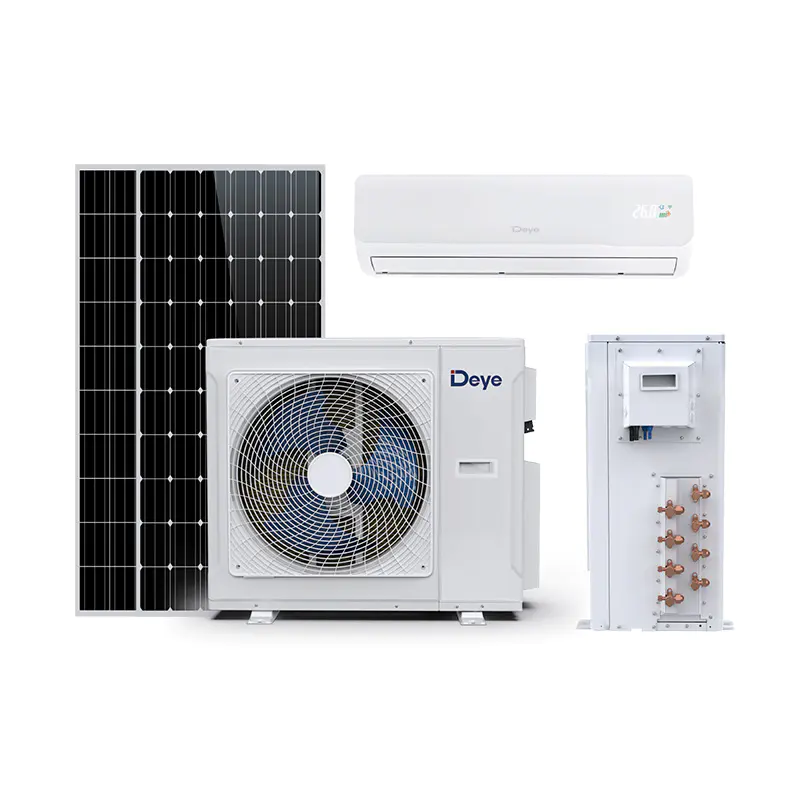

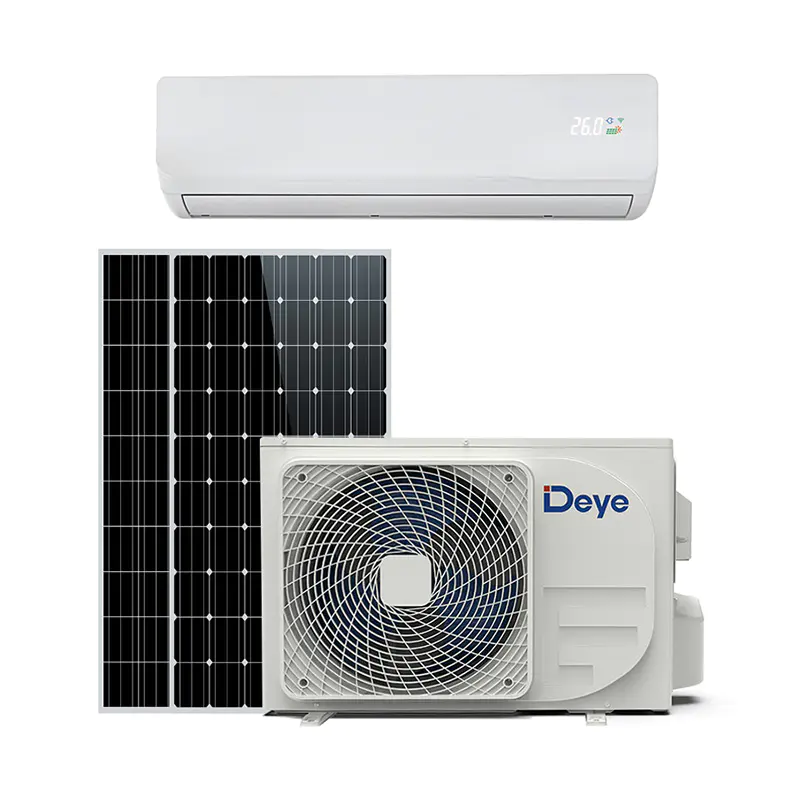
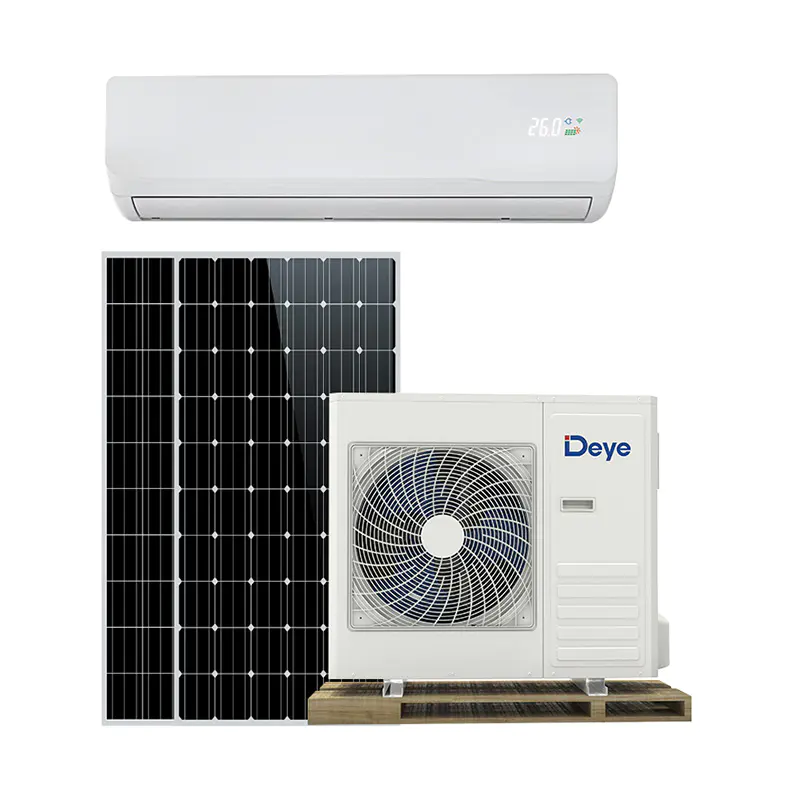
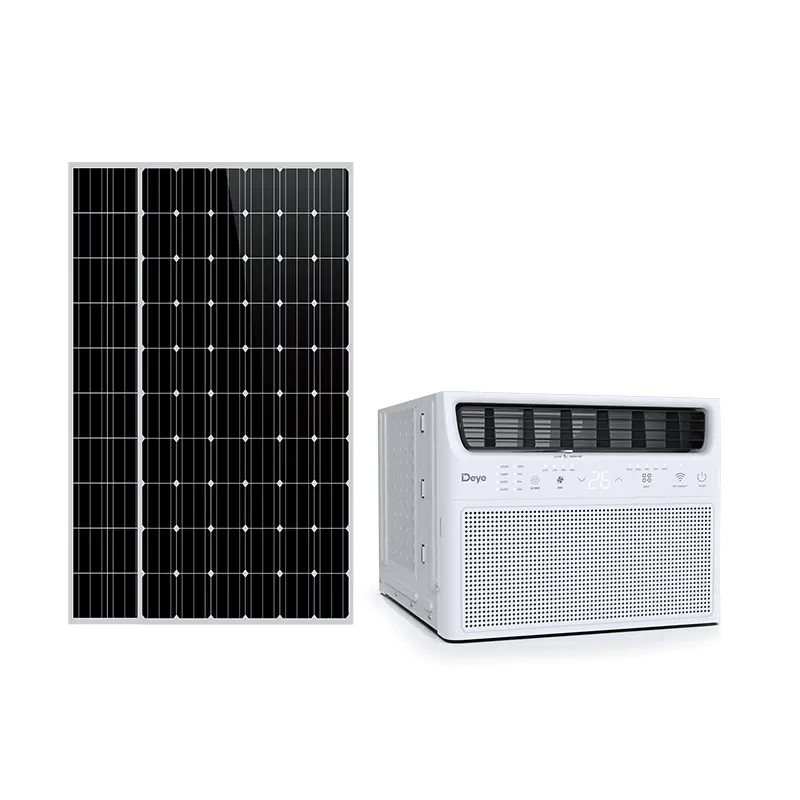
The Hybrid ACDC Solar Window AC, with its innovative AC/DC Auto-Balance technology, demonstrates significant potential for energy savings. However, as a hybrid system involving high-voltage direct current (HVDC) and conventional alternating current (AC), its installation requires significantly more expertise than that of a standard window air conditioner. Strictly adhering to the following professional installation guidelines is crucial to ensuring safe, efficient, and long-term stable system operation.
I. Design and Wiring of the PV Array DC Input
1. PV Array Sizing and Configuration
Before installation, the PV panel must be selected in strict accordance with the technical specifications of the AC outdoor unit's DC input port. Key parameters include the MPPT input voltage range (e.g., 75V to 380V DC) and maximum input current.
Voltage Matching: Determine the number of PV panels in series to ensure that the PV array's open-circuit voltage (VOC) does not exceed the air conditioner's maximum DC input voltage in extremely low temperatures, while also ensuring that its maximum power point voltage (VMPP) remains within the AC unit's MPPT tracking range at normal operating temperatures.
DC Cable Selection: Use dedicated UV-resistant PV cables (typically with MC4 connectors) with a small enough cross-sectional area to minimize voltage drop and energy loss during DC power transmission.
2. Safety Isolation and Grounding
High-voltage DC power is potentially dangerous, and strict safety measures must be implemented during installation.
DC Isolator Switch: It is strongly recommended to install a dedicated DC isolator switch between the PV array and the AC/DC air conditioner. This allows for safe disconnection of the DC power supply and isolation of the high voltage during maintenance or emergencies.
System Grounding: The solar panel mounts, the system's metal casing, and the AC unit's grounding terminals must be reliably grounded in strict accordance with national and local electrical codes to prevent lightning strikes and electrical short circuits.
II. Window Unit Installation Details
3. Window Frame Load-Bearing and Air Sealing
Hybrid ACDC window ACs are typically heavier than traditional single-function window units due to their integrated MPPT controller and complex power switching module.
Load Assessment: Ensure that the window frame and sill structure can support the full weight of the unit. If necessary, install additional support structures to prevent the unit from falling.
Condensate Drainage: Window units must be tilted slightly toward the outside (typically 1/2" to allow condensate to drain naturally, preventing accumulation and dripping inside the unit.
Sealing: Use the included EVA foam or specialized sealing strips to thoroughly seal all gaps between the unit and the window frame to achieve maximum airtightness, prevent hot air leakage, and reduce noise.
4. AC Grid Power Connection and Limiting
As a hybrid system, AC power connection is also crucial, especially when it comes to setting the AC Power Limiter function.
Independent Circuit: It is recommended that the Hybrid ACDC window unit be connected to a dedicated AC power circuit to avoid overload tripping caused by sharing the circuit with other high-power appliances (such as microwave ovens and electric water heaters).
AC/DC Automatic Balancing: During commissioning, check the air conditioner's built-in intelligent control logic to ensure it prioritizes DC solar power. Only when DC power is insufficient will it smoothly draw supplemental power from the AC grid, achieving optimal energy utilization.
III. Commissioning, Operations, and Smart Features
5. First Startup and Mode Verification
After system installation, a professional verification step for initial startup is essential.
DC Priority Verification: Test during midday when there is ample sunlight. Use the Smart App or the on-board display to verify that the system is in DC Priority Mode. The AC grid power consumption should be close to zero or within the preset limiter.
Hybrid Mode Verification: Simulate insufficient sunlight (e.g., manually shading a portion of the PV panels) to confirm that the system can quickly respond and seamlessly supplement power from the AC grid to maintain continuous compressor operation.
6. Remote Monitoring and Data Integration
Many Hybrid ACDC models are equipped with a Wi-Fi module, allowing users to remotely monitor system operating status.
Network Connection: Ensure the unit's Wi-Fi connection is stable, allowing customers to remotely view real-time solar power generation and grid power consumption data via the mobile app.
Firmware Updates: Check the manufacturer for the latest firmware updates to optimize the MPPT algorithm and auto-balancing logic, improving long-term system energy efficiency.
