

 Español
 русский
 Français
 Português
 Deutsch
 عربى
عربى italiano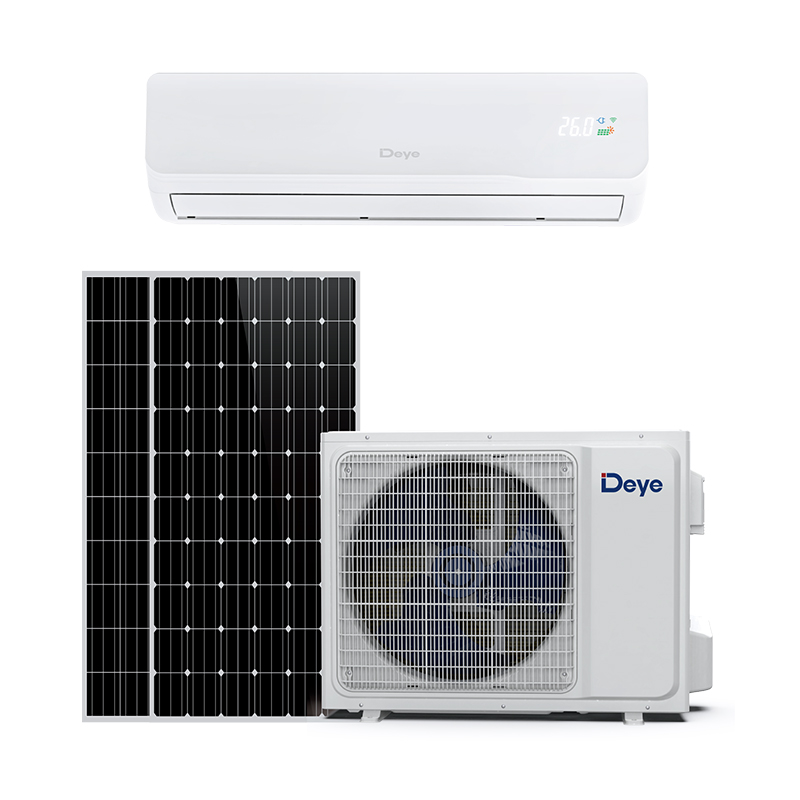
-1.jpg)

Content
This article compares two of the most popular and energy-efficient cooling technologies on the market: Solar AC and Inverter AC. As energy costs rise and environmental concerns grow, many homeowners are looking for smart alternatives to traditional air conditioning. We’ll explore the key differences between these two systems, from their technology and performance to their costs and environmental impact, to help you make an informed decision for your home.
What is a Solar AC?
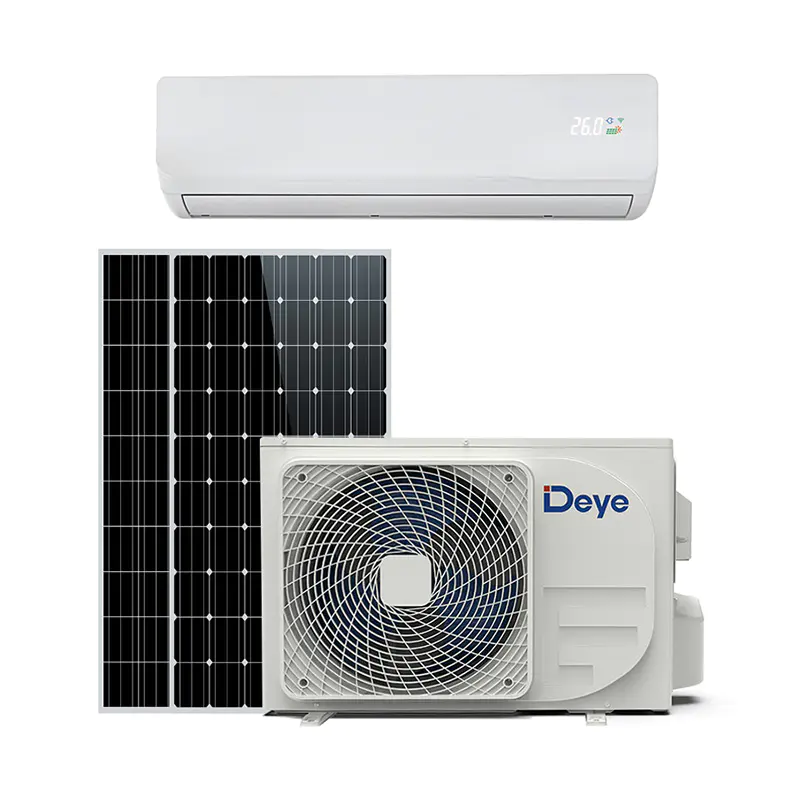
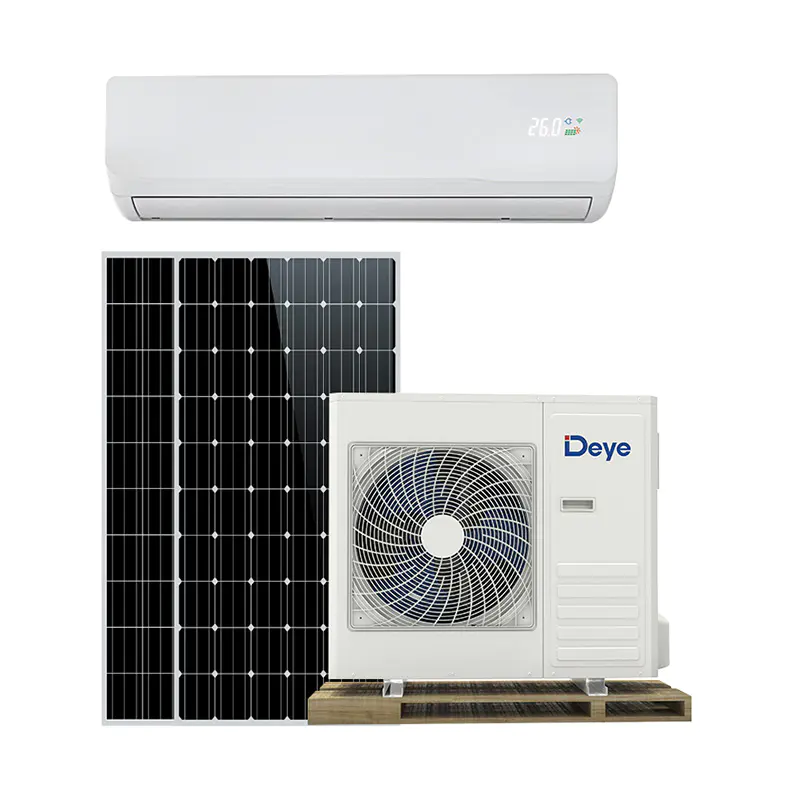
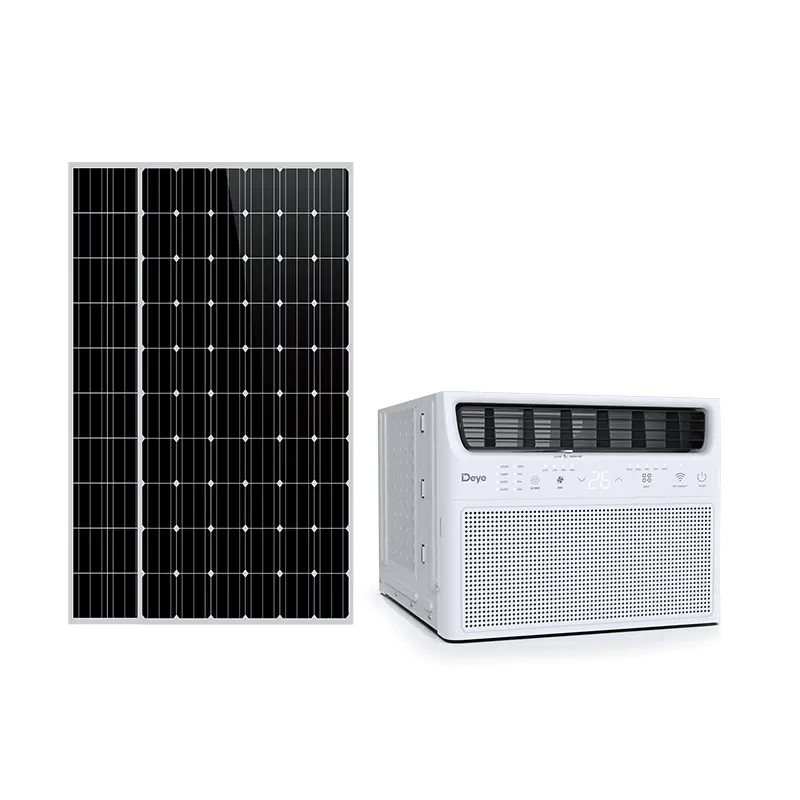
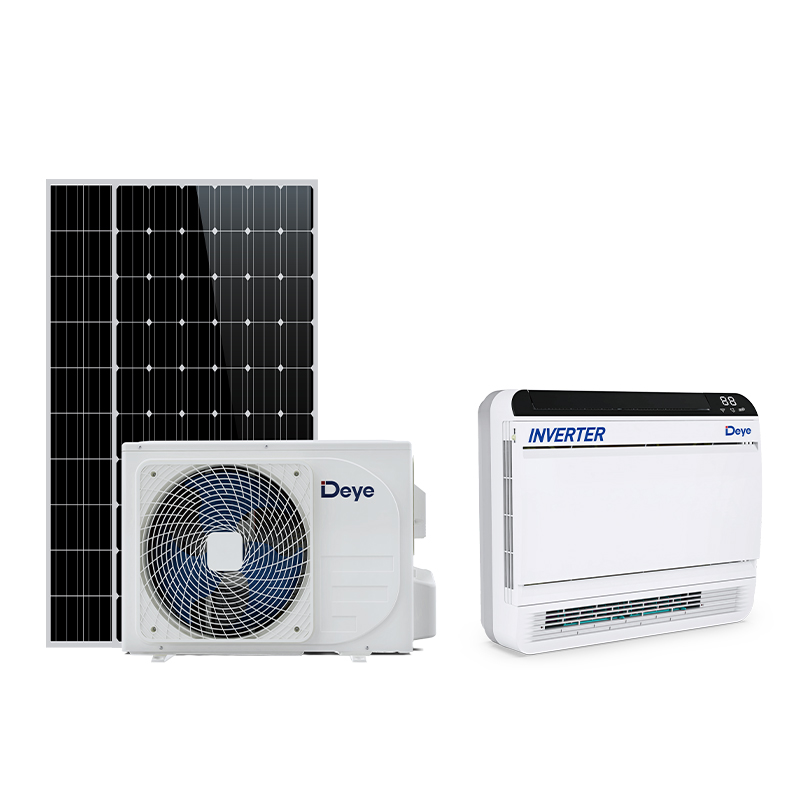
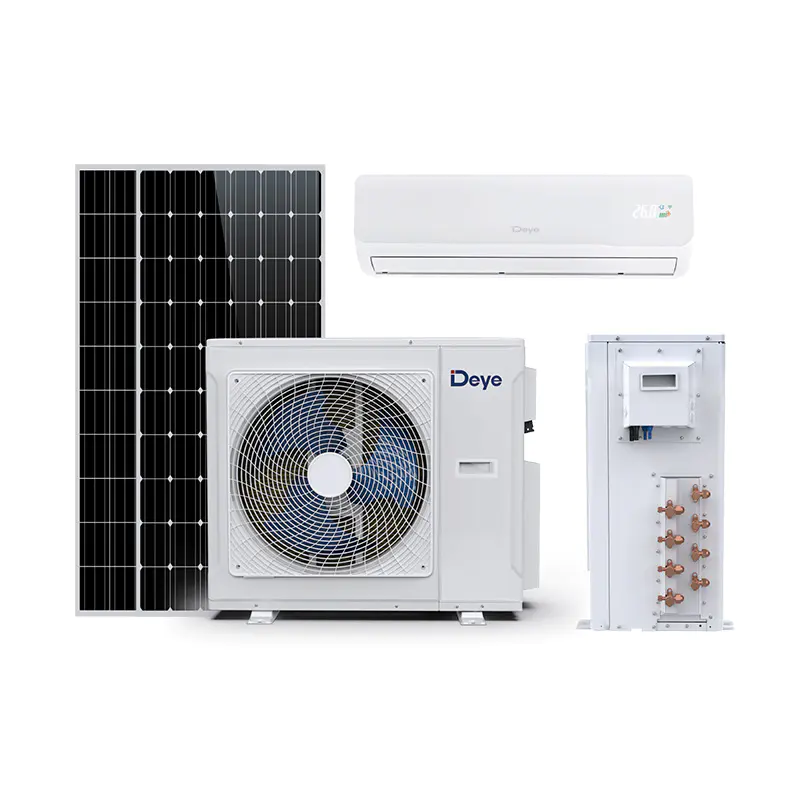
A solar AC is an air conditioning system that is powered by the sun's energy, typically through photovoltaic (PV) panels. Instead of relying solely on the electrical grid, these units can either run directly on the power generated from solar panels or use a combination of solar and grid electricity.
Basic Working Principle
Solar panels convert sunlight into direct current (DC) electricity. This DC power can then be used to run the AC unit's compressor and fans. Many solar ACs use a built-in inverter to convert the DC power into alternating current (AC) to operate the unit. The system can also store excess solar energy in a battery for use at night or on cloudy days, or it can seamlessly switch to drawing power from the electrical grid when solar energy is not sufficient.
Types of Solar ACs
- Hybrid Solar AC: This is the most common type. It operates primarily on solar power during the day but can automatically switch to grid electricity when the sun isn't shining brightly or at night. Hybrid systems are a practical solution for most homeowners because they offer a reliable power source even in less-than-ideal weather conditions.
- Full Solar AC: Also known as off-grid systems, these units run exclusively on solar power and are not connected to the electrical grid. They require a battery bank to store energy for continuous operation, making them a good option for remote locations without grid access or for those who want complete energy independence.
Benefits of Solar ACs
- Reduced Electricity Bills: By using free energy from the sun, a solar AC can significantly lower or even eliminate your cooling costs, which often make up a large portion of a home's energy consumption.
- Environmentally Friendly: Solar ACs help reduce your carbon footprint by decreasing reliance on fossil fuels that power the electrical grid.
- Potential Government Incentives: Many regions offer tax credits, rebates, or other financial incentives for installing solar energy systems, which can help offset the initial cost.
Drawbacks of Solar ACs
- High Initial Cost: The upfront investment for a solar AC system, including the panels, mounting hardware, and potentially a battery bank, can be much higher than a traditional AC unit.
- Dependency on Sunlight: The performance of the system is directly tied to the weather. On cloudy days or at night, the unit must either rely on a battery backup or switch to grid power, which can impact its efficiency and cost-saving potential.
- Installation Complexity: The installation process is more involved than a standard AC, as it requires placing solar panels and integrating the system with your home's electrical setup.
What is an Inverter AC?
An inverter AC is a type of air conditioner that uses a variable-speed compressor to control the cooling or heating output. Unlike older, non-inverter models that have a fixed-speed compressor that is either on or off, an inverter AC's compressor can adjust its speed to match the cooling demands of the room. This is a fundamental technological difference that leads to significant benefits.
Basic Working Principle
At its core, an inverter AC uses a variable-frequency drive to manage the speed of the compressor motor. When you first turn on the unit, the compressor starts at a high speed to cool the room quickly. As the room temperature approaches the set temperature on the thermostat, the inverter slows the compressor down to a lower speed, just enough to maintain the desired temperature. Instead of constantly cycling on and off, the compressor runs continuously at a reduced power level.
How Inverter Technology Saves Energy
The main way an inverter AC saves energy is by avoiding the inefficient start-stop cycles of a traditional AC. When a standard AC turns on, the compressor draws a large surge of electricity, which is an energy-intensive process. By running the compressor at a continuous, low-power state, an inverter AC avoids this constant surge, leading to a much more stable and efficient energy consumption pattern. This can result in energy savings of 30-50% compared to non-inverter models.
Benefits of Inverter ACs
- Energy Efficiency: The primary advantage is the substantial reduction in electricity consumption, which translates to lower utility bills. The system only uses the energy it needs to maintain the temperature, avoiding wasted power.
- Precise Temperature Control: Because the compressor is always running and adjusting its speed, an inverter AC can maintain the set temperature with very little fluctuation. This results in a more comfortable and consistent indoor climate.
- Quieter Operation: The compressor runs at lower speeds for most of its operating time, which significantly reduces noise compared to the loud on/off cycling of a traditional AC.
- Longer Lifespan: The continuous, low-stress operation puts less wear and tear on the compressor and other components, which can extend the overall lifespan of the unit.
Drawbacks of Inverter ACs
- Higher Cost: The advanced technology and more complex components mean that inverter ACs have a higher upfront purchase price than non-inverter models.
- Complex Repairs: If a component fails, the complex electronics, particularly the inverter board, may be more expensive and require a specialized technician to repair.
Key Differences: Solar AC vs Inverter AC
This section provides a side-by-side comparison of the core distinctions between Solar AC and Inverter AC.
| Feature | Solar AC | Inverter AC |
|---|---|---|
| Energy Source | Primarily solar power (sunlight) and can use grid electricity as a backup. | Primarily grid electricity. |
| Cost | Initial Cost: High due to solar panels, mounting, and potential battery storage. Long-Term Cost: Very low running costs, leading to significant savings on electricity bills. | Initial Cost: Higher than a non-inverter AC but significantly lower than a full Solar AC system. Long-Term Cost: Lower running costs than a non-inverter AC, but still tied to grid electricity prices. |
| Environmental Impact | Operational Carbon Footprint: Near-zero, as it uses clean, renewable energy. Lifecycle Impact: Has an environmental cost associated with the manufacturing and disposal of solar panels, but this is offset by decades of clean energy generation. | Operational Carbon Footprint: Directly tied to the carbon footprint of the local power grid, which is often powered by fossil fuels. Lifecycle Impact: Manufacturing and disposal are the primary environmental impacts, with the ongoing operational impact depending on the energy source. |
| Performance & Efficiency | Cooling Performance: Dependent on sunlight availability. Performance may vary on cloudy days or at night without battery backup. Efficiency: Hybrid models are highly efficient, but their effectiveness is limited by solar input. | Cooling Performance: Consistent and reliable, as it runs on a stable grid power supply. Efficiency: Highly efficient due to the variable-speed compressor, which prevents energy waste from constant on/off cycling. This is measured by the Seasonal Energy Efficiency Ratio (SEER). |
| Installation | Complexity: Highly complex. Requires installation of outdoor solar panels, associated wiring, and specialized electrical work to integrate the system with the home. May also require roof-specific structural considerations. | Complexity: Relatively simple compared to a solar AC. The installation is similar to a traditional AC unit, with the primary work being the indoor and outdoor unit setup. No solar panel or roof installation is required. |
Performance and Efficiency
This section delves into the comparative performance and energy efficiency of Solar AC and Inverter AC units.
Comparative Analysis of Energy Efficiency
- Solar AC: The efficiency of a solar AC system is a combination of the efficiency of the solar panels and the AC unit itself. The system's overall efficiency is heavily influenced by external factors like sunlight intensity, cloud cover, and time of day. While hybrid solar ACs can achieve high levels of energy independence during peak sun hours, their efficiency can drop significantly at night or on overcast days when they switch to grid power. The efficiency of a solar panel system is typically measured by how well it converts sunlight into electricity, with a high-quality system converting 17-20% of sunlight into usable power.
- Inverter AC: An Inverter AC's efficiency is measured by the Seasonal Energy Efficiency Ratio (SEER). A higher SEER rating indicates a more efficient unit. Inverter technology's ability to adjust the compressor speed allows it to maintain a consistent temperature with minimal energy consumption, especially during long periods of use. Unlike solar ACs, Inverter ACs operate at a consistent level of high efficiency regardless of weather or time of day, as long as they have a stable grid power supply.
Cooling Performance Under Different Conditions
- Solar AC: The cooling performance of a solar AC is directly tied to the solar power input.
- Sunny Days: Performance is at its peak. Hybrid systems can run at full capacity, and off-grid systems can store excess energy in batteries.
- Cloudy or Rainy Days: Performance can be compromised. Without sufficient sunlight, the system may not be able to cool effectively and must rely on a battery bank or switch to grid power, which negates the "free" energy benefit.
- Nighttime: Solar ACs cannot run on solar power alone. They must either use stored battery power (for off-grid systems) or rely entirely on grid electricity (for hybrid systems).
- Inverter AC: An Inverter AC provides consistent and reliable cooling performance.
- Varying Conditions: The unit's performance is not affected by external weather conditions or time of day. It provides the same level of comfort whether it's a sunny afternoon or a stormy night.
- Peak Demand: The unit's ability to ramp up the compressor speed allows for quick and effective cooling during periods of high demand, then it can scale back to a more efficient speed to maintain the temperature.
Long-Term Operational Costs
- Solar AC: The long-term operational costs are extremely low, primarily consisting of maintenance and potential battery replacement. The cost of electricity is virtually eliminated during the day. The return on investment (ROI) is achieved over time through significant savings on electricity bills.
- Inverter AC: While an Inverter AC has lower running costs than a non-inverter unit, its operational costs are still directly tied to the price of grid electricity. Over time, these costs can fluctuate with energy market prices, and they will always be a factor in your monthly utility bill. Maintenance and potential repairs for complex electronic components can also add to the long-term cost.
Cost Analysis
Understanding the financial aspects of each system is crucial for making an informed decision. This section breaks down the costs associated with Solar AC and Inverter AC, from the initial investment to long-term savings.
Initial Purchase Price Comparison
- Solar AC: The initial cost is significantly higher due to the components required beyond the air conditioning unit itself. This includes the cost of solar panels, mounting hardware, wiring, and potentially a battery storage system. A full solar AC setup can be 2-5 times more expensive than a high-end inverter AC.
- Inverter AC: The purchase price is higher than a non-inverter model, but it is substantially more affordable than a solar AC. The cost is limited to the indoor unit, outdoor unit, and standard installation materials.
Installation Costs
- Solar AC: Installation is complex and labor-intensive. It requires a specialized team to mount the solar panels on the roof or ground, run the necessary wiring, and integrate the system with the home's electrical grid. This complexity translates to a higher installation cost.
- Inverter AC: The installation process is straightforward and similar to a traditional AC. It involves installing the indoor and outdoor units, connecting them with refrigerant lines, and hooking up the electrical supply. The labor and material costs are comparatively lower.
Long-Term Running Costs
- Solar AC: This is where solar ACs excel. During the day, the running cost is virtually zero as the unit is powered by free sunlight. At night or on cloudy days, it may draw from a battery bank or the grid, but the overall electricity bill for cooling can be reduced by 50-100%, depending on the system type and usage.
- Inverter AC: While an inverter AC is a champion of efficiency among grid-powered units, it still has ongoing costs. The running cost is directly tied to the price of electricity per kilowatt-hour ($/kWh) and is a consistent part of your monthly utility bill. Though more efficient than non-inverter models, it offers no savings from generating its own power.
Potential Savings and ROI
- Solar AC: The high upfront investment is offset by a substantial reduction in or elimination of electricity bills for cooling. The Return on Investment (ROI) is calculated by dividing the net cost (after incentives) by the annual energy savings. Payback periods can range from 5 to 15 years, depending on factors like:
- System size and total cost.
- Local electricity rates (higher rates lead to a faster ROI).
- Available government tax credits and rebates.
- Climate and sunlight availability.
- Inverter AC: The savings are immediate and ongoing, as they are reflected in a lower electricity bill from the first month of use. The ROI is not a single, calculable period but rather a continuous, long-term saving on utility costs compared to a less efficient non-inverter AC.
Environmental Impact
The environmental impact of an air conditioning system is a critical consideration for many consumers. This section compares the carbon footprint, renewable energy usage, and overall sustainability of Solar AC and Inverter AC.
Carbon Footprint Comparison
- Solar AC: The operational carbon footprint is virtually zero. The electricity is generated from a clean, renewable resource—the sun—which produces no greenhouse gas emissions during operation. However, a full life-cycle analysis must also account for the emissions from the manufacturing and transportation of the solar panels and the AC unit itself. Studies have shown that a solar panel system typically "pays back" its manufacturing-related emissions within 1 to 4 years of operation, leaving decades of clean, zero-emission energy production.
- Inverter AC: The operational carbon footprint is directly tied to the power source of the local electrical grid. In regions where electricity is generated primarily from fossil fuels like coal and natural gas, the use of an inverter AC contributes indirectly to significant greenhouse gas emissions. While inverter technology makes the unit more efficient, it does not eliminate the carbon footprint of the power plant supplying the electricity.
Renewable Energy Usage
- Solar AC: This system is the clear winner for renewable energy usage. It harnesses a truly renewable and abundant resource. By using solar power, it reduces the overall strain on the electrical grid and promotes energy independence, contributing to a broader shift away from fossil fuels.
- Inverter AC: An inverter AC does not use renewable energy directly. It relies on the existing grid, which may or may not include a mix of renewable sources. The energy savings provided by inverter technology do, however, reduce the overall demand on the grid, which can indirectly help in the integration of renewable energy by lowering the need for inefficient and polluting "peaker plants" during periods of high demand.
Overall Impact on Sustainability
- Solar AC: Represents a long-term, sustainable investment. It not only reduces personal energy consumption but also actively contributes to the reduction of a country's reliance on non-renewable resources. The durability and long lifespan of solar panels (typically 25+ years) mean that the environmental benefits continue for decades, making them a key component of a greener future.
- Inverter AC: While a vast improvement over non-inverter models, an inverter AC is only as sustainable as the grid that powers it. Its primary contribution to sustainability is through energy efficiency, which reduces the total energy required to provide cooling. This is a positive step, but it doesn't fundamentally change the energy source from which the power is drawn. The environmental impact also includes the refrigerants used, though newer, more environmentally friendly refrigerants are becoming standard.
Which One is Right for You?
The final choice between a Solar AC and an Inverter AC depends on your specific circumstances, priorities, and long-term goals. Here are the key factors to consider to help you decide.
Factors to Consider When Choosing
- Budget: Assess your financial capacity for the initial investment. Solar ACs have a much higher upfront cost but offer the potential for long-term savings. Inverter ACs are more affordable initially and provide immediate, though smaller, savings on electricity bills.
- Energy Needs: How much and how often will you be using the AC? If you live in a climate that requires constant cooling for many hours a day, a Solar AC can provide significant financial and environmental benefits. For infrequent or short-term use, the high cost of a solar system may not be justified.
- Environmental Concerns: If reducing your carbon footprint and promoting renewable energy is a top priority, a Solar AC is the clear choice. It directly uses clean energy from the sun. An Inverter AC, while efficient, still relies on the grid and its associated emissions.
- Location and Climate: Your geographical location plays a huge role. A solar AC is best suited for regions with abundant, consistent sunlight. In areas with frequent cloudy days or a climate that doesn't require as much cooling, the benefits may be less pronounced.
Scenarios Where Solar AC is a Better Choice
- Off-Grid Living: For homes in remote areas with no access to the electrical grid, a full solar AC system with battery backup is a perfect solution for energy independence.
- High Electricity Costs: If you live in a location with very high electricity rates or in a region with "time-of-use" pricing (where electricity is more expensive during peak daytime hours), a solar AC will provide massive savings by using free power when demand is highest.
- Strong Environmental Commitment: For those who want to actively reduce their environmental impact and make a long-term investment in a sustainable lifestyle, the zero-emission operation of a solar AC during the day is the ultimate goal.
Scenarios Where Inverter AC is a Better Choice
- Budget Constraints: If the high initial cost of a solar system is prohibitive, an inverter AC offers a cost-effective way to achieve energy efficiency and lower utility bills without a massive upfront investment.
- Limited Sun or Roof Space: In areas with a lot of shade, frequent overcast weather, or insufficient roof space for solar panels, an inverter AC provides reliable, efficient cooling without the reliance on sunlight.
- Primary Concern is Reliability: An inverter AC provides consistent performance around the clock, unaffected by weather conditions. This is ideal for those who prioritize uninterrupted and reliable cooling over energy independence.
