

 Español
 русский
 Français
 Português
 Deutsch
 عربى
عربى italiano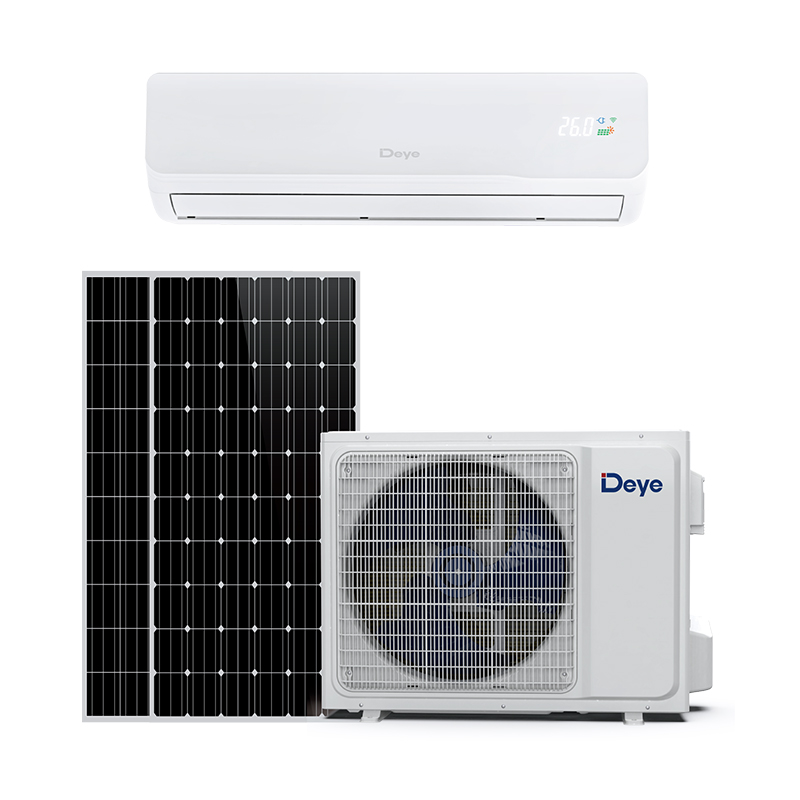
-1.jpg)
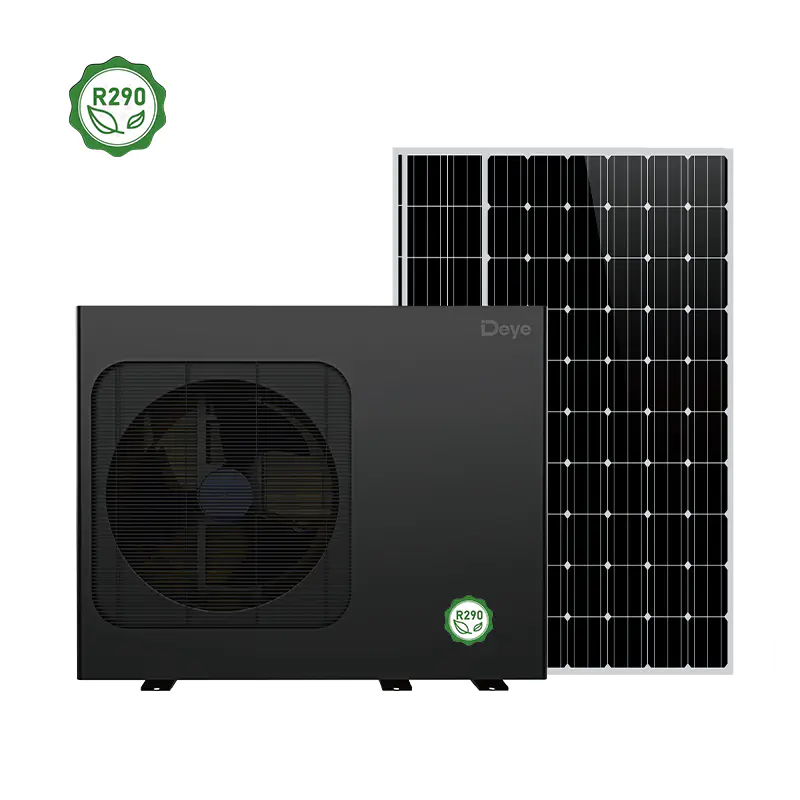
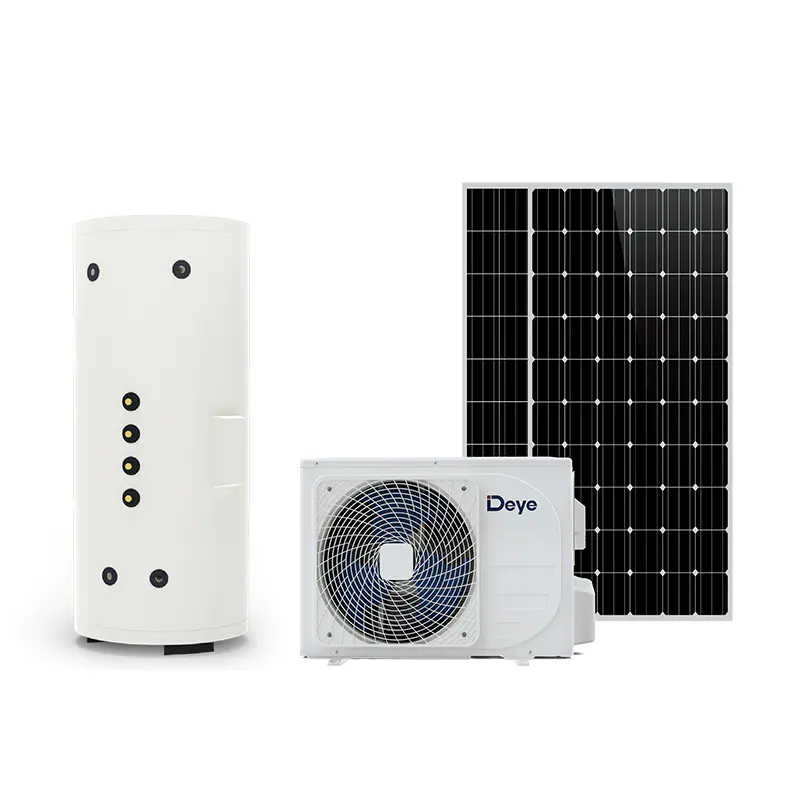
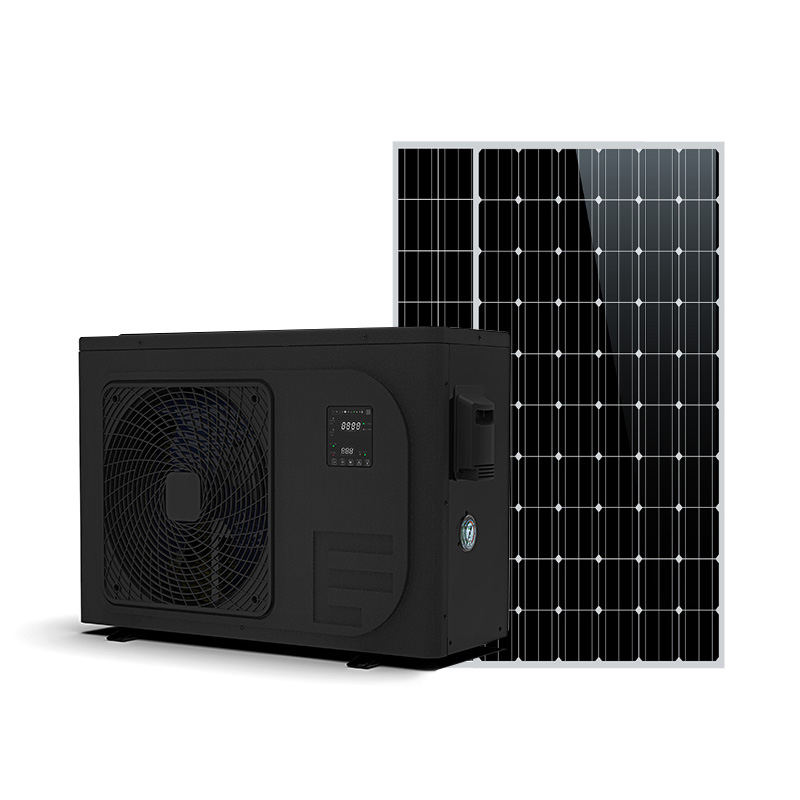
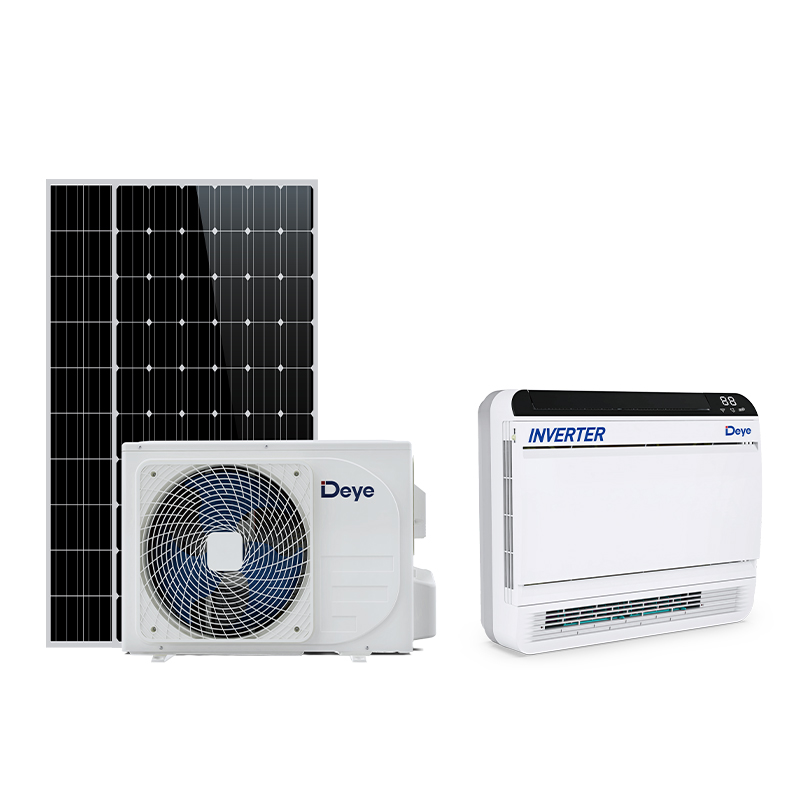
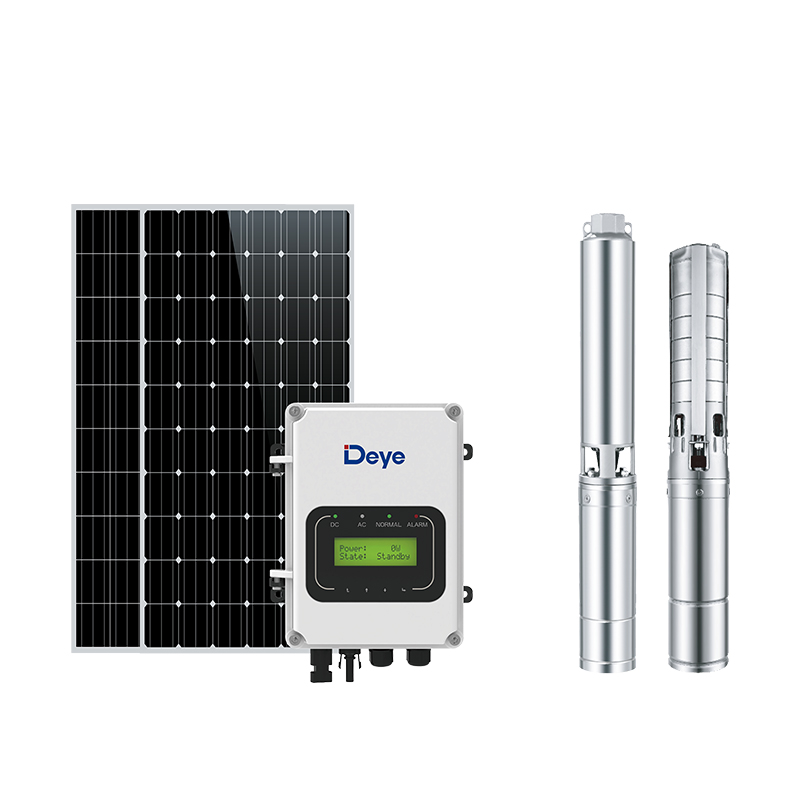
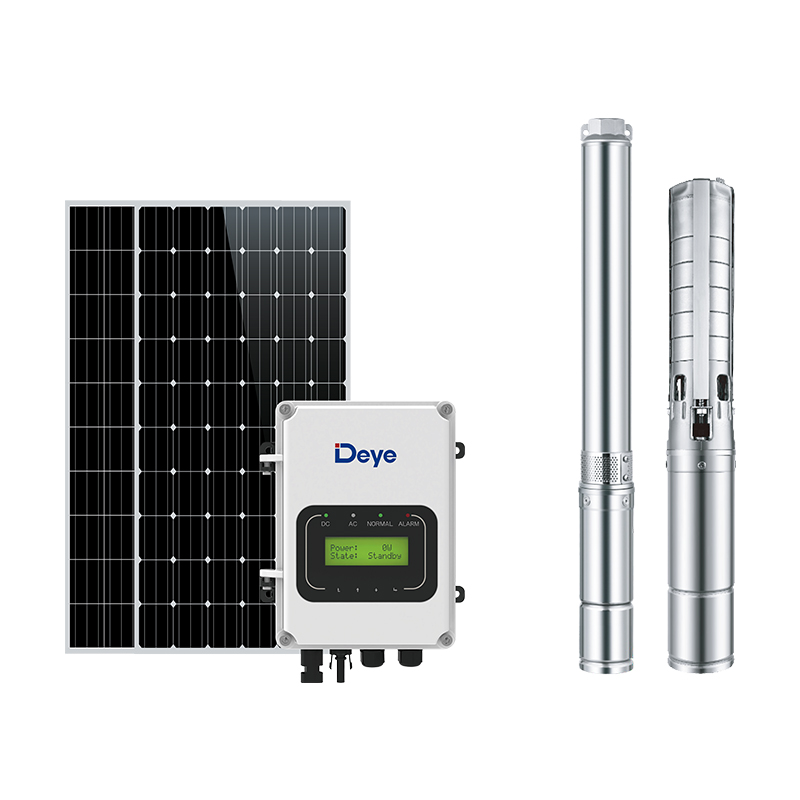
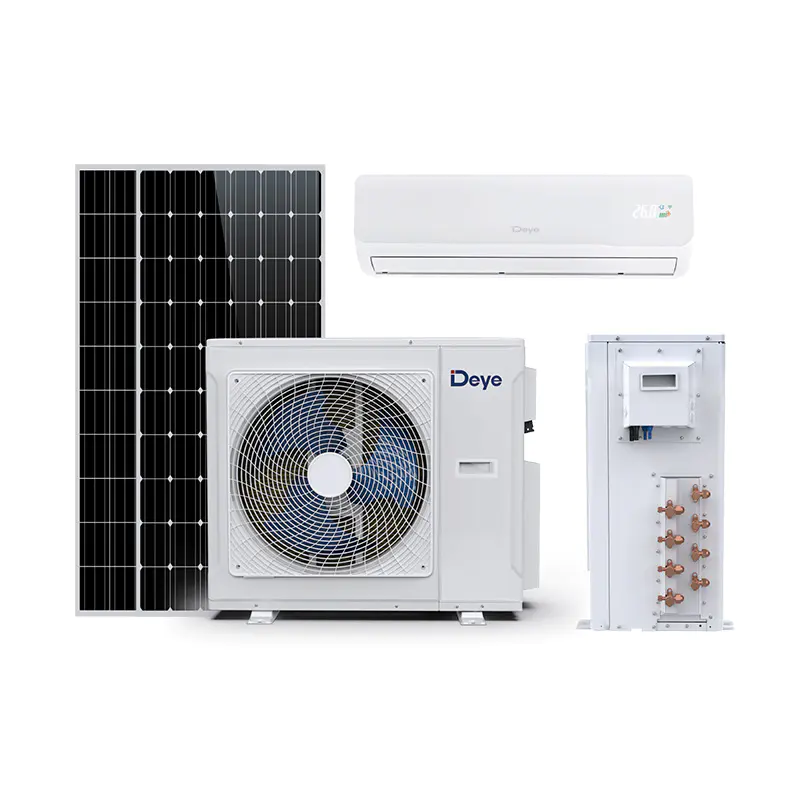

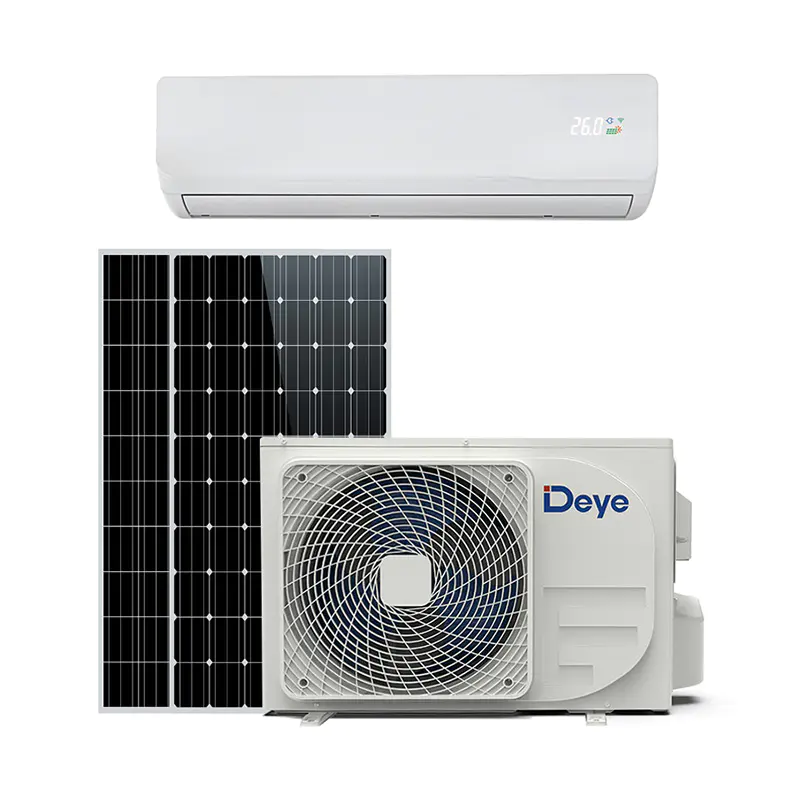
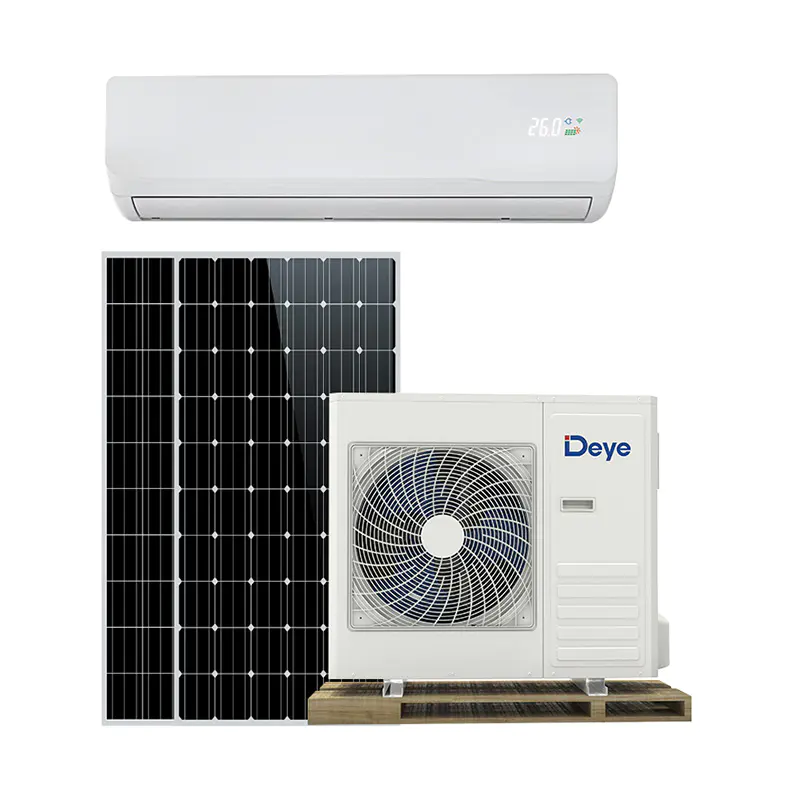
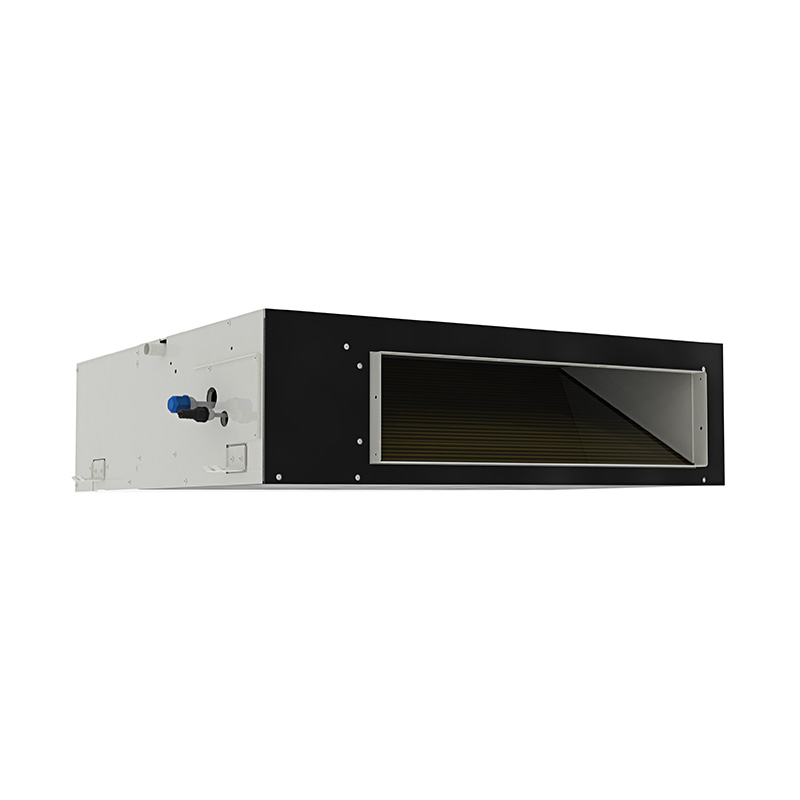
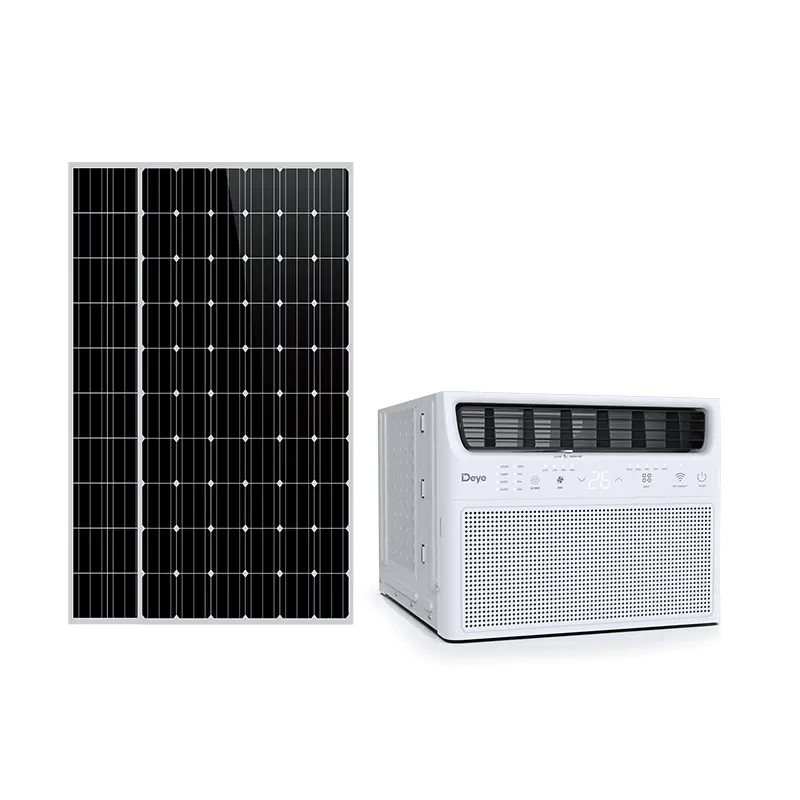
As an important green energy-saving equipment, solar air conditioners are increasingly used in modern buildings. In order to ensure its long-term efficient and stable operation, scientific and reasonable maintenance and care are essential.
Regularly check the status of solar photovoltaic modules
The core energy source of solar air conditioners is photovoltaic modules. Dust, stains and obstructions on the surface of photovoltaic modules will significantly reduce the photoelectric conversion efficiency. It is recommended to clean the photovoltaic panels at least once a month, gently scrub with clean water and a soft brush, and avoid using corrosive detergents. In addition, check whether the photovoltaic modules have cracks, degumming or loose wiring, and timely discover hidden dangers to prevent system failures.
Maintenance of key components of the refrigeration system
The refrigeration system is the core part of solar air conditioners, involving key components such as compressors, condensers, evaporators and expansion valves. Regularly check the refrigerant pressure and flow to ensure that the refrigerant quantity meets the design requirements. The compressor should be well lubricated to avoid abnormal noise during operation. The surfaces of the condenser and evaporator should be clean and dust-free to avoid a decrease in heat exchange efficiency. The expansion valve should be sensitive to ensure stable operation of the system.
Electrical system safety and performance testing
Solar air conditioners involve complex electrical control systems, including photovoltaic inverters, controllers, sensors and protection devices. The firmness and insulation of electrical wiring should be checked regularly to prevent electrical failures caused by poor contact. The operating status of the inverter needs to be monitored to ensure stable output power and frequency. Software updates and parameter calibration of the control system are important links to ensure the accuracy of intelligent control.
Maintenance and management of energy storage devices
Some solar air conditioning systems are equipped with battery energy storage devices to solve the problem of energy supply on cloudy days and at night. The energy storage device needs to check the battery voltage, capacity and internal resistance regularly to avoid damage caused by overcharging or over-discharging of the battery. Keep the battery compartment dry and ventilated to prevent excessive temperature from affecting battery life. Regularly perform balanced charging to extend the battery life cycle.
Refrigerant leakage detection and repair
Refrigerant leakage not only reduces refrigeration efficiency, but also may cause environmental pollution. Special refrigerant leakage detection instruments should be equipped to regularly detect system leaks. If a leak is found, it should be located and repaired in time, and an appropriate amount of refrigerant should be added. Common leaking sites include joints, welds and pipe bends. The use of high-quality sealing materials and standardized welding processes are the key to preventing leakage.
Sensor and control system calibration
Solar air conditioners rely on a variety of sensors, such as temperature sensors, humidity sensors, and solar radiation sensors. After long-term use, sensors may drift and affect system judgment. It is recommended to calibrate and test sensors every six months to ensure data accuracy. The control system adjusts the cooling power based on sensor data to achieve energy-saving operation.
Monitoring and analysis of system operation parameters
By installing a monitoring platform, real-time solar air conditioner operation data, including photovoltaic power generation, cooling load, energy efficiency ratio, etc., are collected. Analyze the data to detect abnormal fluctuations in time and determine potential faults. Continuously optimize system operation parameters to improve overall efficiency and reliability. The use of intelligent diagnostic technology can reduce manual maintenance costs.
Cleaning air ducts and filters
In the air circulation system of solar air conditioners, dust accumulation in the air ducts and filters will affect air circulation and increase energy consumption. Regularly remove and clean the filters to keep ventilation smooth. There should be no dust and mold inside the air duct to prevent secondary air pollution. For dusty environments, it is recommended to install high-efficiency filtration devices and increase the cleaning frequency.
Environmental conditions and equipment protection
When installing solar air conditioning equipment, environmental protection needs to be considered. Photovoltaic modules should be protected from shadows, and the equipment room should be kept dry and ventilated to prevent moisture corrosion. Dust and water resistance grade requirements should be implemented for key electrical components. In summer when the temperature is high and winter when the temperature is low, necessary cooling or heat preservation measures should be taken to ensure stable operation of the equipment.
