

 Español
 русский
 Français
 Português
 Deutsch
 عربى
عربى italiano
-1.jpg)
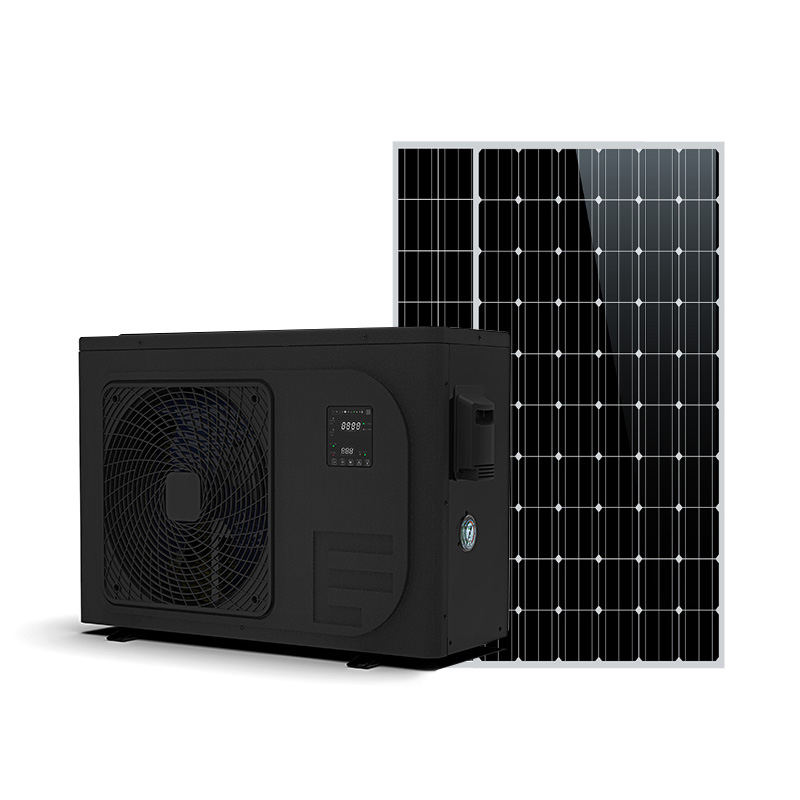
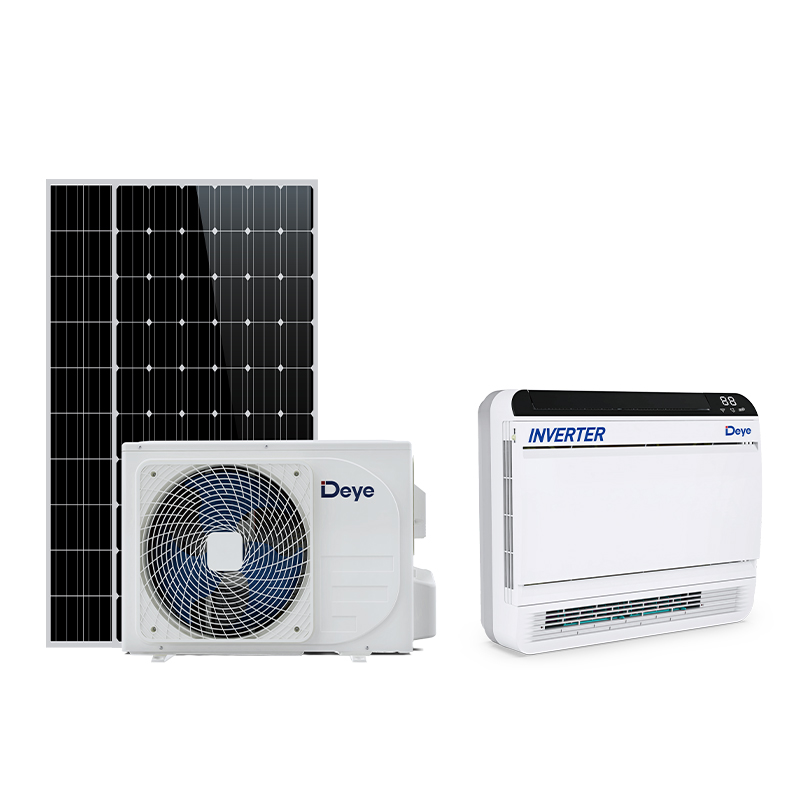
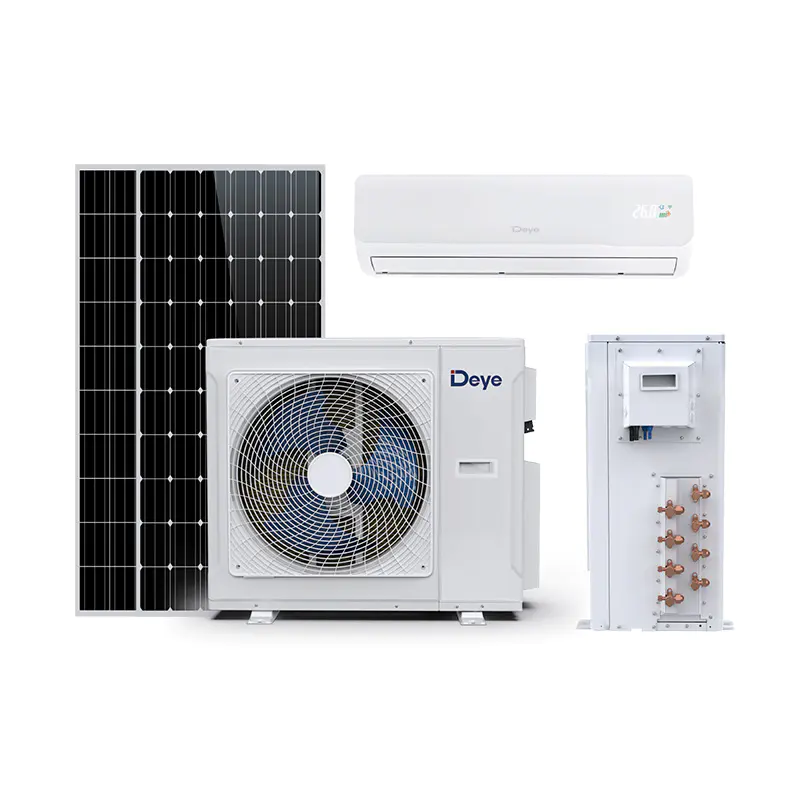

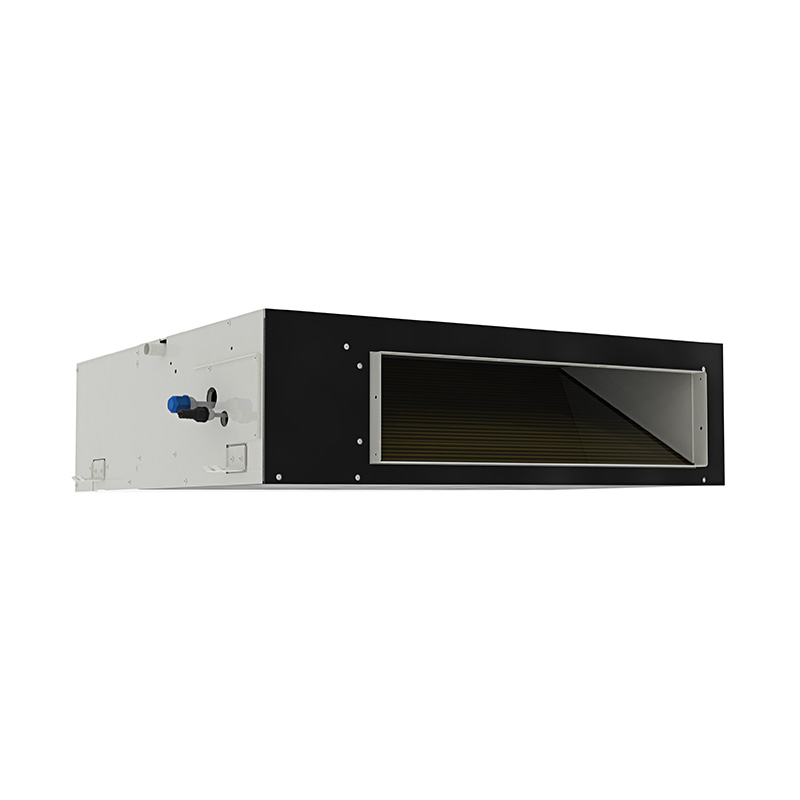
As an important part of the solar air conditioning system, the maintenance cycle and maintenance difficulties of the light commercial solar air conditioning duct directly affect the operating efficiency and service life of the system. Reasonable maintenance arrangements and targeted maintenance measures are the key to ensuring the long-term and stable operation of the duct system.
Scientific formulation of duct maintenance cycle
The duct maintenance cycle varies according to the use environment, material properties and system operation status. In general, the comprehensive maintenance cycle of light commercial solar air conditioning ducts is recommended to be once every 12 to 18 months. The specific maintenance cycle needs to be adjusted according to the actual operating environment. For example, in dusty, humid or highly corrosive environments, the maintenance frequency should be appropriately shortened.
It is recommended to conduct daily inspections every 3 to 6 months, focusing on checking the sealing status of the duct, the firmness of the connectors, and whether there is obvious damage on the surface of the duct. Clean the internal dust and foreign matter regularly to avoid blockage that affects air circulation and cooling effects. The long-term maintenance plan needs to cover the status detection of key components such as sealants, insulation layers, and fixed brackets.
Analysis of the difficulties in maintaining light commercial air ducts
Degradation of sealing performance due to material aging
The sealing materials of air ducts are affected by temperature changes, ultraviolet radiation and mechanical vibration for a long time, and are prone to aging, hardening and cracking, resulting in reduced sealing and increased risk of air leakage. The aging of sealing materials is not easy to detect intuitively, and professional equipment is required for detection, which makes maintenance difficult.
Dust and pollutants in the air duct are difficult to clean
The internal space of the air duct is narrow, and the air flow rate is fast, which is easy to accumulate dust, fibers and microorganisms. Special vacuuming equipment and cleaning agents are required for cleaning. Routine maintenance is not easy to clean thoroughly, and the accumulation of pollutants will affect the air quality and durability of the air duct.
Failure and loosening of seals at the joints
The air duct joints are subject to wind pressure and mechanical vibration. Long-term use is prone to sealant shedding or aging of sealing strips. Loose interfaces not only cause air leakage, but may also cause increased vibration and noise in the system. The air duct part needs to be disassembled for on-site maintenance, and the process is complicated and time-consuming.
The insulation layer is damp or damaged
The insulation layer of the air duct prevents heat conduction and protects the air duct structure. If the seal is not tight during long-term operation, condensed water will easily penetrate into the insulation layer, resulting in a decrease in thermal insulation performance. The insulation layer is prone to mold and corrosion after being damp. The insulation material needs to be replaced during maintenance, which is labor-intensive and costly.
Impact of environmental conditions on maintenance
The solar air conditioning duct installed outdoors is exposed to wind, sun and rain. Extreme climate conditions accelerate the aging and corrosion of the duct material. Maintenance work needs to consider protective measures, and bad weather affects the maintenance progress and effect.
Maintenance methods and technical points
Regular sealing detection and repair
Use airtightness test instruments to detect duct leakage points and accurately locate the damaged parts of the seal. According to the test results, replace the sealant or sealing strip in time. Pay attention to material compatibility during repair to ensure that the new and old materials are firmly combined.
Internal cleaning and disinfection
Use a dedicated duct cleaning robot or high-pressure vacuum equipment to thoroughly clean the inside of the duct. Use appropriate disinfectants to prevent the growth of microorganisms and ensure air quality and system hygiene.
Tightening and replacement of connecting parts
Regularly check the fasteners, flanges and sealing rings at the duct interface. When loose or damaged, replace it in time with standard accessories to avoid air leakage and structural instability.
Insulation layer inspection and repair
Use infrared thermal imaging camera to detect the insulation effect of the duct insulation layer. If abnormality is found, remove the damaged part and replace or supplement the insulation material. Prevent condensation water from penetrating to ensure the protective performance of the duct.
Environmental adaptability maintenance
According to the climatic conditions of the installation area, select weather-resistant protective coatings and UV-resistant materials. Regularly check the surface coating condition of the duct, and re-coat and anti-corrosion treatment in time to extend the life of the duct.
Maintenance precautions
During the maintenance process, the duct system should be shut down or run in a safe state to avoid personal injury and equipment damage. Maintenance records should be detailed, including test data, maintenance content and materials used, to facilitate subsequent maintenance management and fault tracking.
The maintenance team needs to have professional knowledge and operating skills, and master the structure and material characteristics of the duct system. Pay special attention to key parts such as interfaces, sealing materials and insulation layers. Use maintenance tools and materials that meet national and industry standards to ensure maintenance quality.
