

 Español
 русский
 Français
 Português
 Deutsch
 عربى
عربى italiano
-1.jpg)

Content
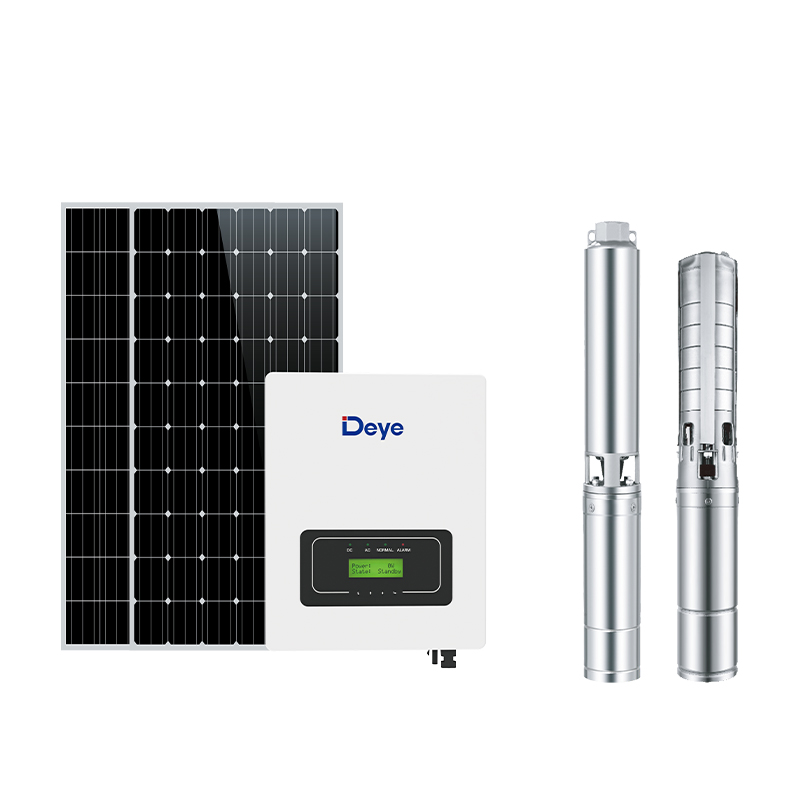
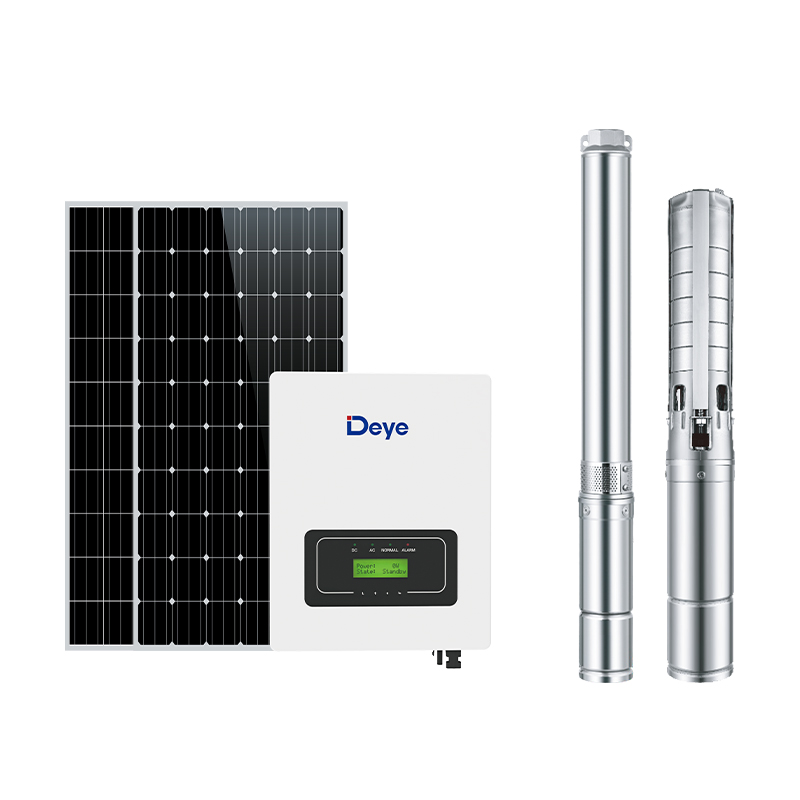
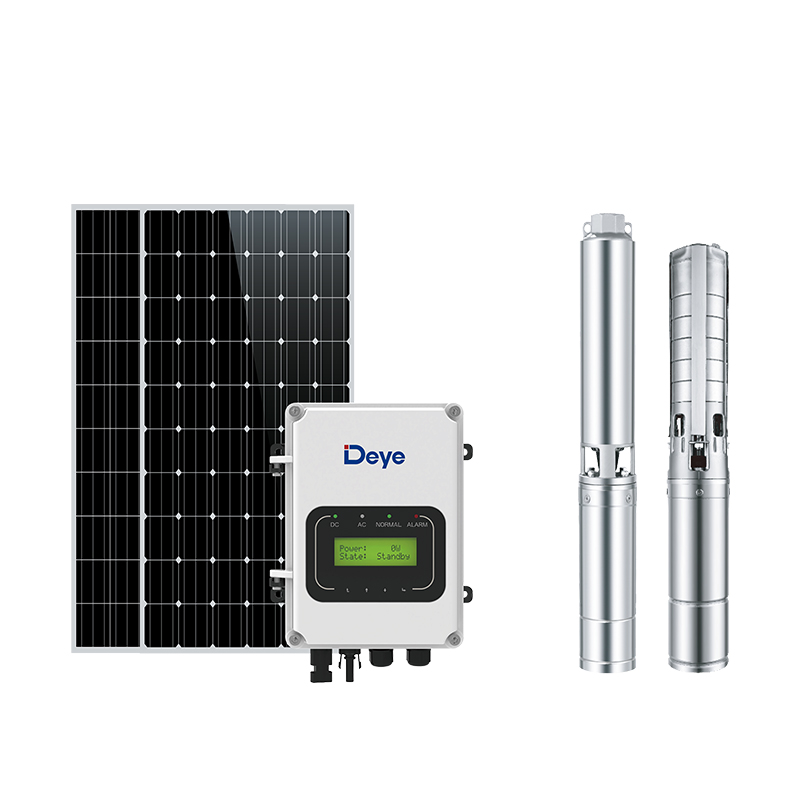
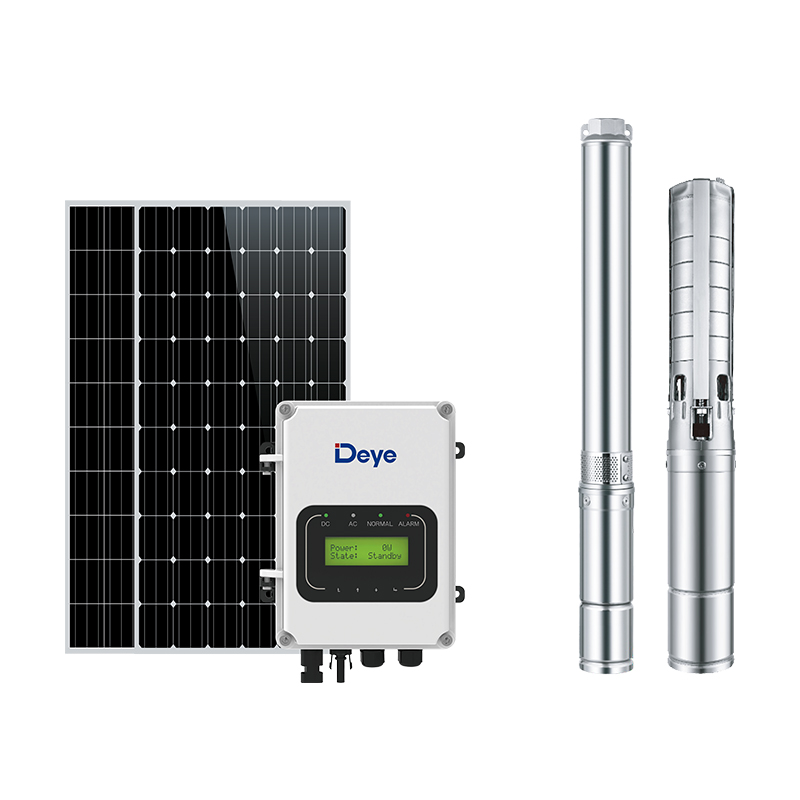
In the field of sustainable irrigation, the 3" Hybrid AC/DC Solar Water Pump has become a critical asset due to its ability to seamlessly switch between Solar Power and Grid/Generator energy. However, as temperatures drop below 0°C, the water inside the pump system poses a significant risk. The expansion of freezing water can crack pump housings and damage Stainless Steel Impellers, while condensation can jeopardize the longevity of the electronic Controller. To maintain high performance and minimize Maintenance Cost, implementing a professional winterization strategy is essential.
Physical Drainage: The Primary Defense Against Ice Expansion
Water expands by approximately 9% when it freezes. This physical force is the most common cause of terminal equipment failure in Hybrid Systems. For a Submersible Pump, while the unit itself is typically submerged below the frost line in a well, the surface piping is highly vulnerable.
Installation of Drain Valves: Every system should feature a Drain Valve at the lowest point of the above-ground pipeline. After the final irrigation cycle of the season, these valves must be opened to gravity-drain the entire network. For a Solar Surface Pump, it is mandatory to unscrew the drain plug located at the bottom of the pump casing.
Air Purging: In large-scale installations, using low-pressure compressed air to blow out residual moisture from elbows and tees ensures that no pockets of water remain to freeze and cause hairline fractures in the piping.
Electronic Controller Protection and Humidity Management
The 3" Hybrid AC/DC Solar Water Pump relies on sophisticated power electronics to manage DC Input and AC Power. Cold weather brings the risk of Condensation, which occurs when internal components warm up during operation and cool down rapidly at night.
Condensation Control: Ensure the Controller enclosure is rated for outdoor use, but avoid airtight seals that trap moisture. Using a breather valve allows the unit to equalize pressure without allowing liquid water to enter. In regions with extreme humidity and cold, placing a desiccant pack inside the wiring compartment can prevent localized short circuits.
System Pre-heating: One advantage of the Hybrid System is the ability to use Grid Power. On extremely cold mornings, running the pump at a very low frequency via the manual AC override can generate enough internal motor heat to evaporate any frost or moisture within the mechanical seal area before full-speed operation begins.
Managing Mechanical Seals and Low-Temperature Lubrication
Low temperatures increase the viscosity of Grease and decrease the elasticity of rubber components. This can lead to increased Starting Torque and potential seal failure.
Seal Adhesion: If a pump remains dormant in freezing temperatures, the Mechanical Seal may become stuck to the shaft. Forcing a start under these conditions can tear the seal. Professional operators should manually rotate the shaft (if accessible) to ensure it moves freely before applying power.
Elastomer Integrity: O-rings and gaskets made of standard NBR may become brittle. If the system requires maintenance during winter, ensure replacement parts are rated for low-temperature flexibility to prevent leaks when the system restarts in the spring.
Operational Strategies: Hybrid Flexibility in Winter
The 3" Hybrid AC/DC Solar Water Pump offers unique operational modes that can be used as active anti-freeze measures.
Low-Speed Circulation: If the pump must remain active during the winter, program the Controller to maintain a constant, low-speed water flow during the coldest night hours. Moving water requires much lower temperatures to freeze than static water. The heat generated by the Brushless DC Motor during this process provides an additional thermal buffer for the pump body.
Solar Panel Maintenance: Heavy snow accumulation on the Solar Panel array not only cuts off the DC Input but can also cause structural stress. Regular cleaning is necessary. Furthermore, partial snow coverage can lead to "hot spots," where covered cells act as loads rather than generators, potentially damaging the panels over time.
Seasonal Decommissioning Checklist
If the Hybrid System will be completely shut down for the winter, follow this professional sequence to ensure a smooth restart:
Power Isolation: Turn off the DC Isolation Switch first, followed by the AC Breaker. This prevents any accidental dry-runs if the sensors are triggered by ice or snow.
External Protection: Apply a light coating of anti-rust spray or Grease to any exposed threaded shafts or bolts. Cover the surface components with a breathable, waterproof tarp, ensuring that air can still circulate around the base to prevent mold and heavy rust formation.
Battery Storage: If the 3" Hybrid AC/DC Solar Water Pump is part of a battery-backed system, ensure the Battery Bank is kept at a state of charge above 80%. Lead-acid batteries can freeze and crack if they are allowed to discharge fully in sub-zero temperatures.
