

 Español
 русский
 Français
 Português
 Deutsch
 عربى
عربى italiano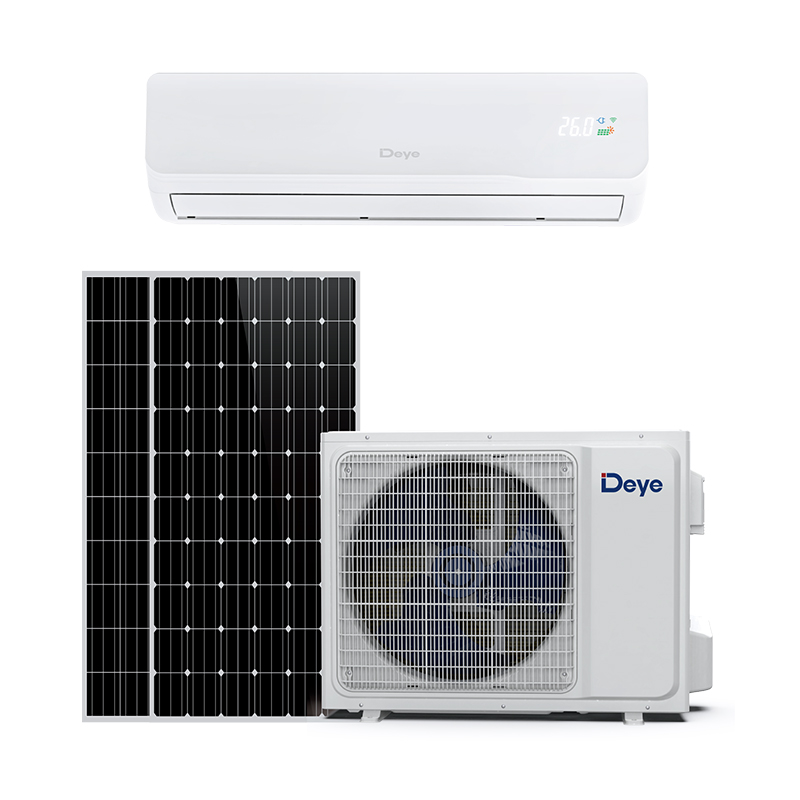
-1.jpg)

Content
- 1 1. Basic Working Principle of Solar Air Conditioning Systems
- 2 2. Seamless Transition Between Solar Power and Grid Electricity
- 3 3. Optimizing Energy Management Systems (EMS)
- 4 4. Improving Energy Utilization Efficiency
- 5 5. Backup Grid Power in Exceptional Conditions
- 6 6. Cost Efficiency and Long-Term Economic Benefits
- 7 7. Smart Control and Remote Monitoring
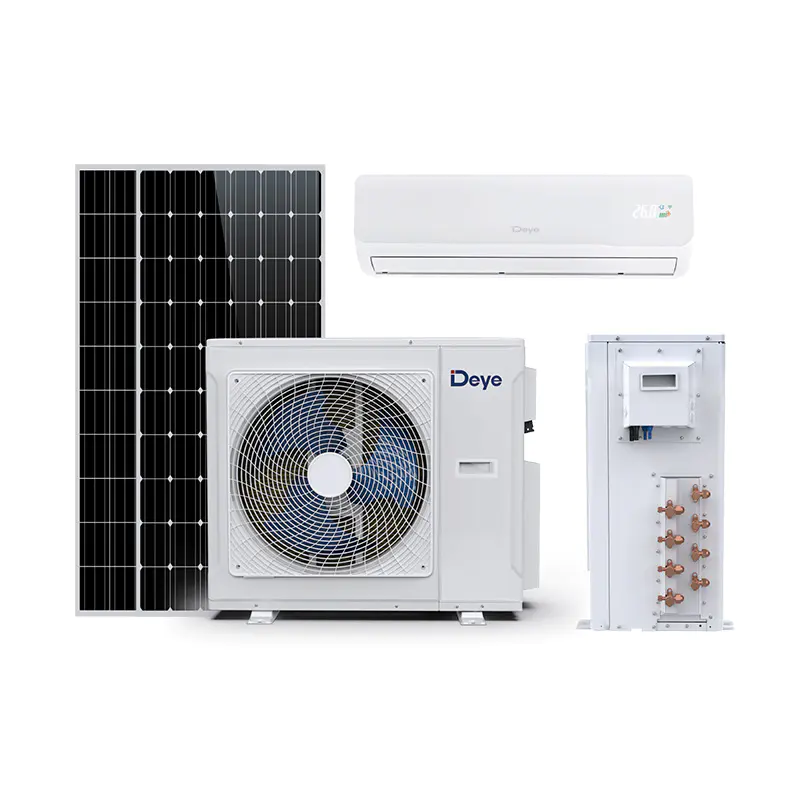
As environmental awareness continues to rise and energy prices soar, solar air conditioning systems have become a preferred choice for both commercial and residential users. These systems not only make effective use of solar power to reduce electricity consumption but also integrate traditional electricity sources to ensure uninterrupted operation during cloudy days or nighttime. Through careful design and integration, solar air conditioning systems maximize the benefits of both solar and traditional power, providing users with efficient and reliable cooling solutions.
1. Basic Working Principle of Solar Air Conditioning Systems
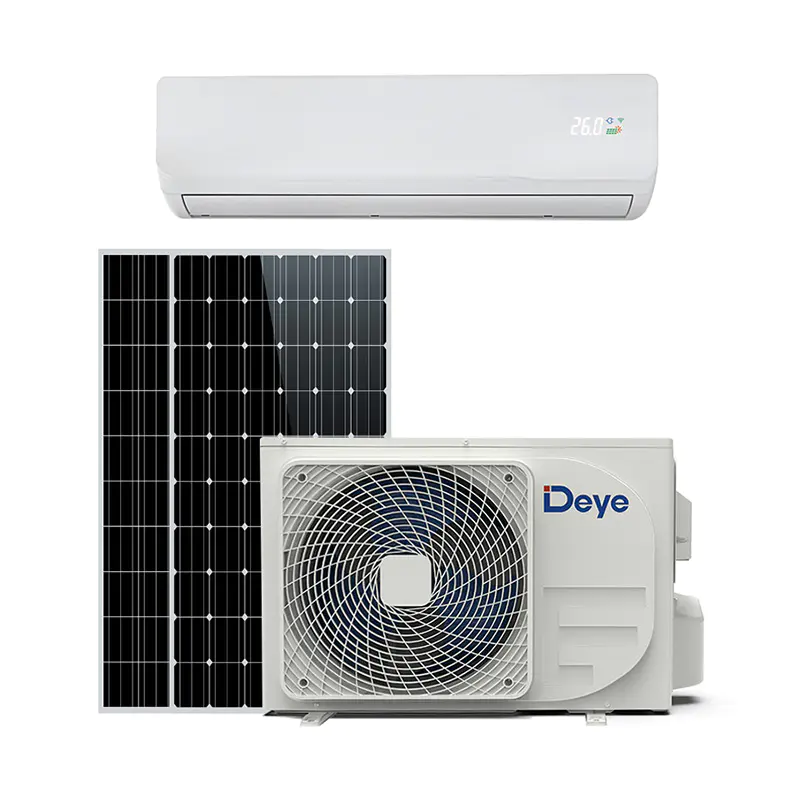
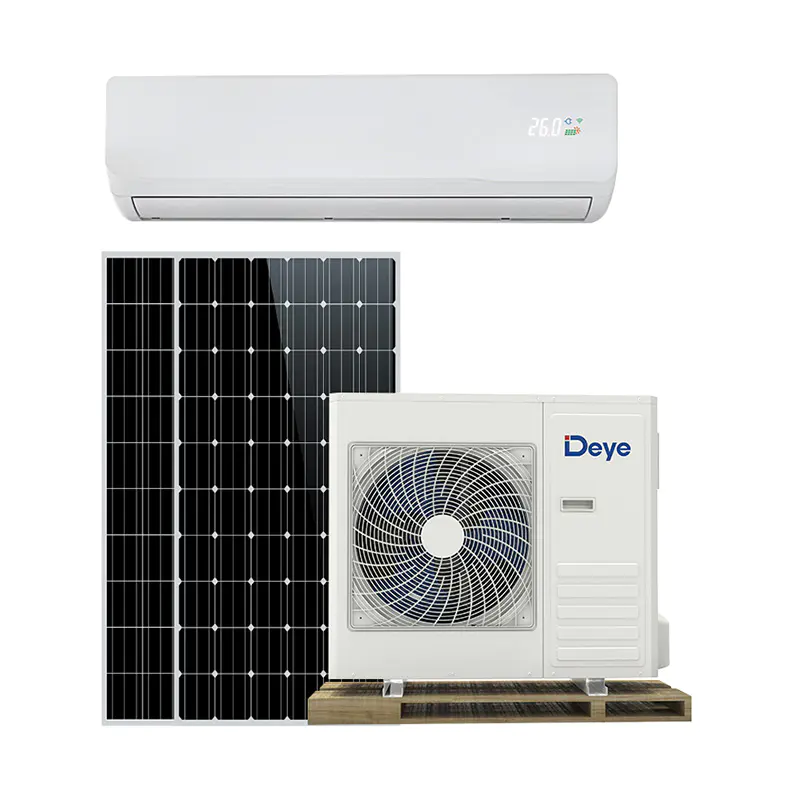
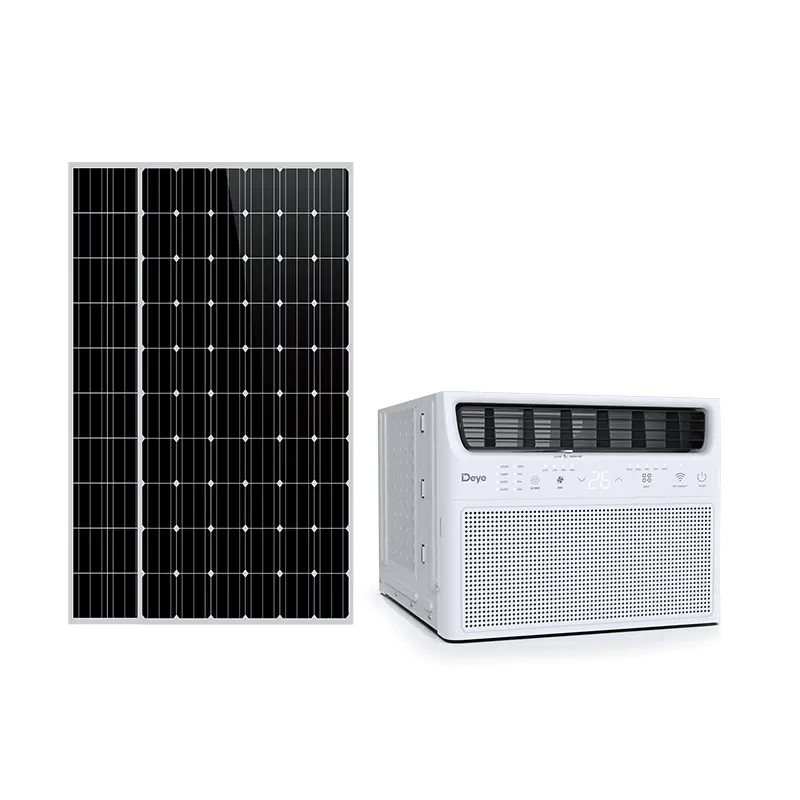
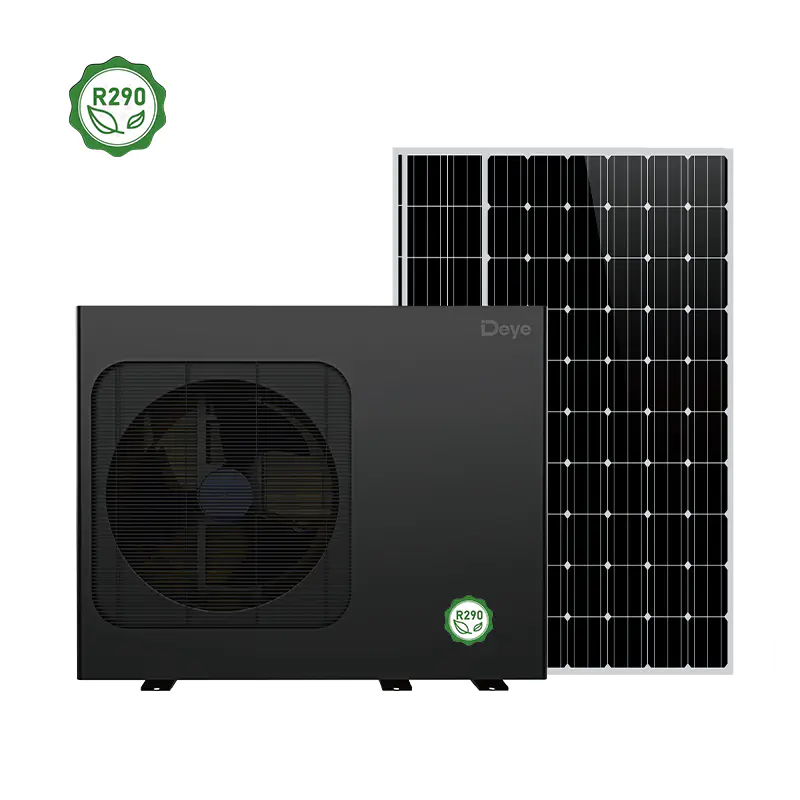
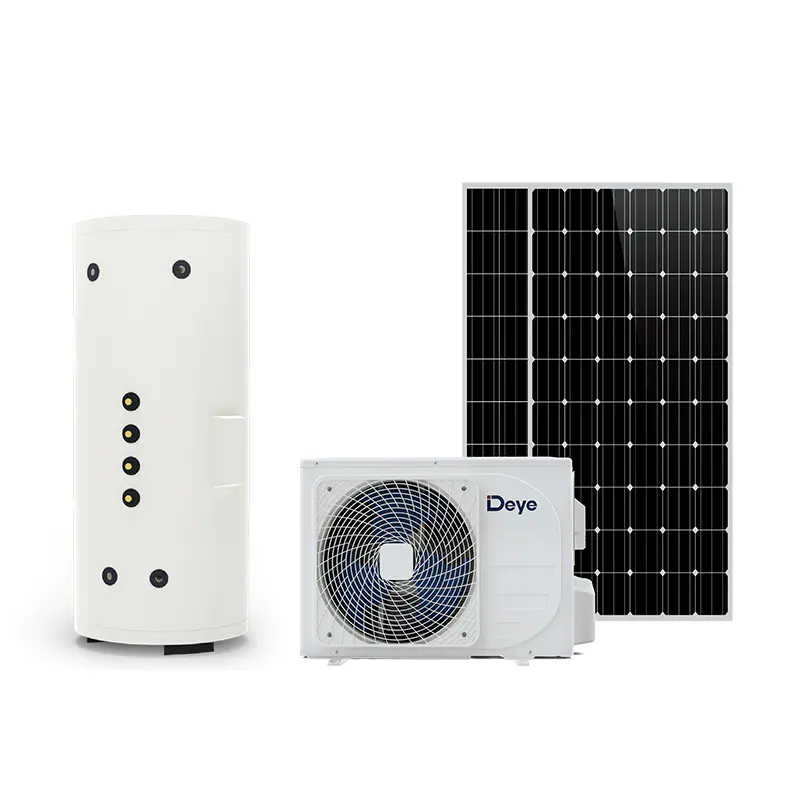
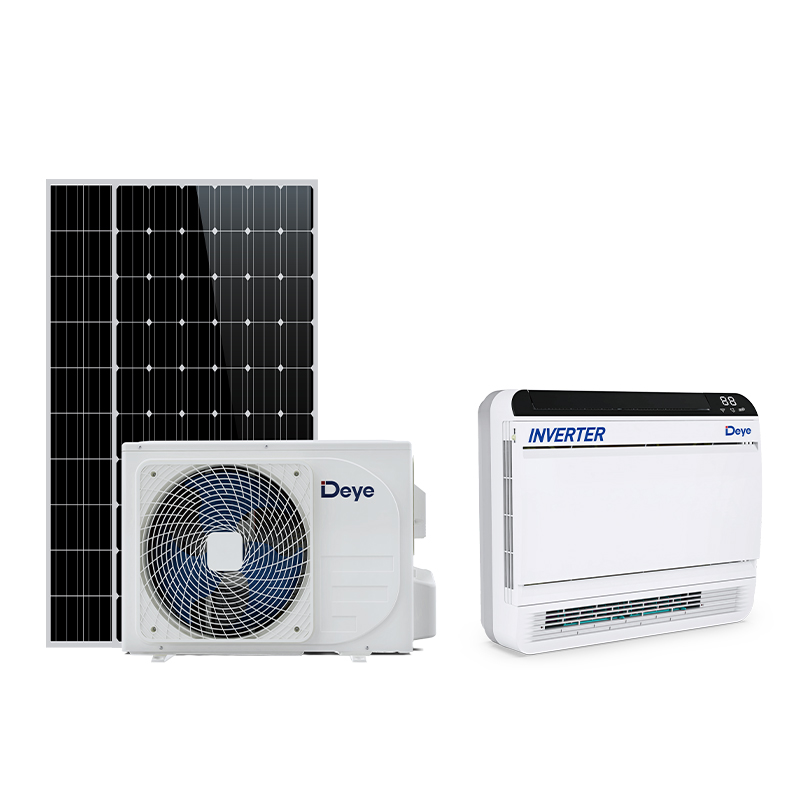
The core of a solar air conditioning system is to convert solar energy into electricity and use this energy to power the air conditioning unit. The system typically consists of solar panels, an inverter, a battery storage system, and the air conditioner. Solar panels convert sunlight into direct current (DC) electricity, and the inverter then converts this into alternating current (AC) electricity to power the air conditioning unit. Any surplus energy generated can be stored in batteries for later use.
When sunlight is abundant, the solar power system serves as the primary electricity source for the air conditioner, significantly reducing reliance on the grid. The battery storage ensures that the system can continue operating during periods when solar energy is insufficient, such as at night or during cloudy weather. When solar power is not enough, the system automatically switches to grid electricity to maintain uninterrupted air conditioning operation.
2. Seamless Transition Between Solar Power and Grid Electricity
The key design challenge in a solar air conditioning system is ensuring a seamless switch between solar power and grid electricity. Typically, the system includes an automatic switching controller that automatically switches to grid power when solar energy is insufficient. During times when solar power is abundant, the controller prioritizes the use of solar energy, thereby reducing grid electricity consumption.
During peak sunlight hours, the solar power generated often exceeds the immediate needs of the air conditioner. The system stores this excess energy in batteries, ensuring that the stored energy can be used when solar power is unavailable, such as during cloudy periods or at night.
3. Optimizing Energy Management Systems (EMS)
To better manage the integration of solar power and grid electricity, solar air conditioning systems often come equipped with an advanced Energy Management System (EMS). The EMS monitors real-time solar power generation, battery storage levels, and the energy consumption of the air conditioner. Based on this data, the system dynamically adjusts the energy source to ensure optimal performance.
With an EMS in place, the system ensures that solar power is used first whenever available. When the battery storage is sufficient, it minimizes reliance on grid electricity, maximizing energy savings. When battery levels are low, the EMS switches to grid power to ensure that the air conditioner continues operating efficiently. This intelligent energy management reduces the overall reliance on grid electricity while ensuring that the system remains functional at all times.
4. Improving Energy Utilization Efficiency
One of the major advantages of solar air conditioning systems is their ability to improve energy utilization efficiency. Unlike conventional air conditioning systems that solely rely on grid electricity, solar-powered AC systems harness renewable energy to power the unit. By utilizing solar energy, the air conditioning system can operate at “zero electricity cost” during daylight hours, significantly reducing electricity expenses.
As the efficiency of solar panels continues to improve, more and more solar air conditioning systems are able to convert surplus solar energy into electricity, which can be stored in batteries or even fed back into the grid via smart grid technology. This process not only enhances energy savings but also contributes to sustainability by reducing the carbon footprint of the cooling process.
5. Backup Grid Power in Exceptional Conditions
During extended periods of cloud cover, storms, or poor weather conditions, the amount of energy generated by the solar panels may be insufficient to meet the air conditioning system's power demands. In such cases, the solar air conditioning system will automatically switch to grid electricity to ensure continued operation, preventing system downtime due to inadequate solar energy.
The system also integrates intelligent monitoring of battery storage. When battery levels drop significantly, grid electricity takes over to support the air conditioner’s power needs. Users can adjust system settings to control the priority of electricity sources, further optimizing operational costs and energy efficiency.
6. Cost Efficiency and Long-Term Economic Benefits
While the initial investment in a solar air conditioning system is relatively high, mainly due to the cost of solar panels, inverters, and storage batteries, the long-term savings on electricity bills make these systems economically attractive. As solar technology advances, the cost of solar air conditioning systems has decreased, making them more affordable for commercial users.
By harnessing solar power, these systems can dramatically reduce reliance on grid electricity, lowering ongoing operational costs. Particularly in regions with high electricity rates, solar air conditioning systems can pay off the initial investment quickly. Once the payback period is completed, users can continue to enjoy reduced electricity bills, making the system an economically viable solution for the long term.
7. Smart Control and Remote Monitoring
Modern solar air conditioning systems are equipped with smart control features, allowing users to manage the system remotely via smartphones or computers. These smart systems can adjust the operation mode and energy source based on indoor temperature, solar power availability, and weather conditions, ensuring optimal energy usage.
Users can access real-time data on energy consumption, solar power generation, battery levels, and more through the system’s interface. These intelligent features allow for more efficient energy management, and provide a convenient way for users to monitor and maintain the system, improving system longevity and stability.
