

 Español
 русский
 Français
 Português
 Deutsch
 عربى
عربى italiano
-1.jpg)

Content
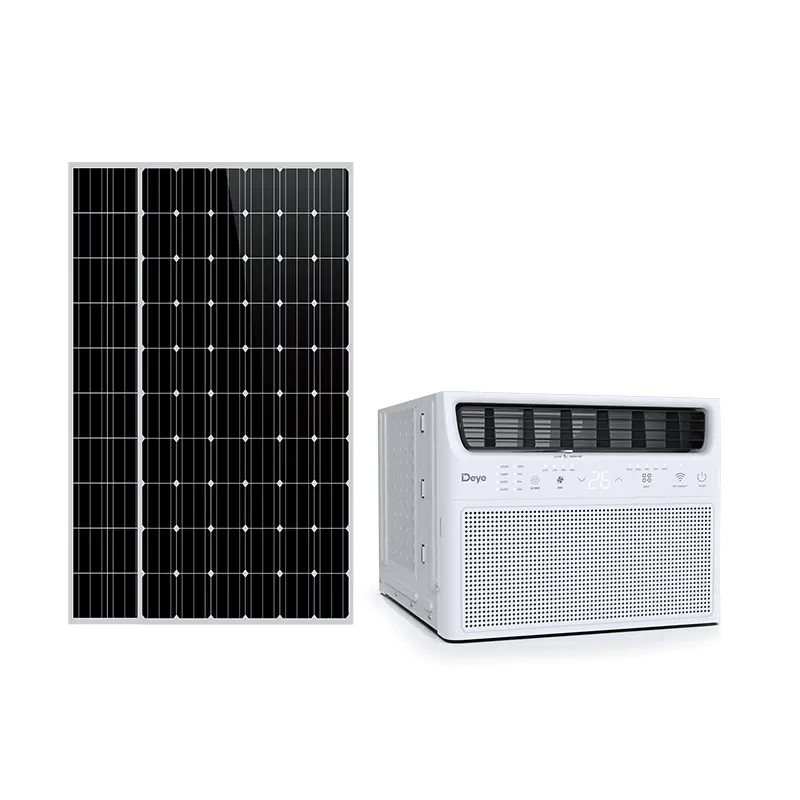
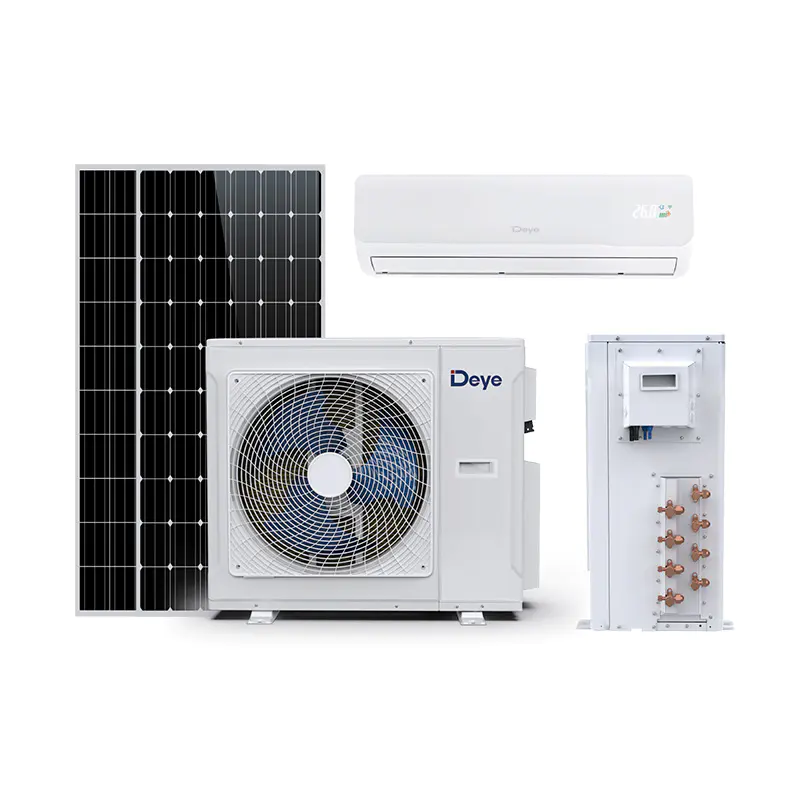
Understanding the compliance boundaries of installation is central to protecting equipment lifespan and user safety for Hybrid ACDC Solar Window AC (Hybrid AC) professionals. While these units are often marketed as "plug-and-play," the involvement of high-voltage DC power and grid-parallel scenarios creates significant safety risks when choosing between DIY installation and Professional installation.
The following is a deep dive into circuit safety compliance "minefields" under the latest 2026 electrical standards, such as NEC 2026.
High-Voltage DC Arc Flash and Isolation Risks
Hybrid ACDC systems receive direct current from solar panels. Unlike traditional AC, DC does not have a zero-crossing point, making arcs extremely difficult to extinguish once a short circuit occurs.
DIY Pitfall: Many DIY users use standard AC circuit breakers or plug/unplug MC4 Connectors while the system is live without a DC Isolator Switch. This easily triggers an Arc Flash, leading to burnt interfaces or fire hazards.
Professional Requirement: Professional installation requires dedicated DC circuit breakers rated for the system’s maximum Open Circuit Voltage (Voc). They ensure the installation meets Rapid Shutdown requirements to instantly cut PV Array energy in emergencies.
Polarity Reverse and MPPT Controller Damage
The Hybrid ACDC window unit features a high-precision MPPT controller to balance solar and grid power in real-time.
DIY Pitfall: Polarity Reverse is common during long-distance solar cabling by DIYers. Even with protection circuits, prolonged incorrect polarity can damage capacitors on the mainboard. Furthermore, DIYers often overlook Voltage Drop, using undersized cables that significantly reduce cooling efficiency.
Professional Requirement: Technicians perform pre-connection tests with a multimeter and calculate wire gauges according to AWG standards based on transmission distance, ensuring the DC port receives voltage within the optimal efficiency range.
Grounding Systems and Induced Lightning Protection
Improperly grounded metal casings and solar racks pose massive safety threats during storm seasons.
DIY Pitfall: Many non-professionals assume the system is grounded once the AC plug is connected. In reality, solar panel racks on roofs or outside windows require independent Equipotential Bonding. Neglecting this makes the equipment vulnerable to induced lightning and can leave the window frame "live" with electricity.
Professional Requirement: Compliance requires physically bonding the PV system rack to the building’s Grounding Electrode and installing SPD (Surge Protective Devices) that meet Grade II standards or higher.
NEC 2026 Mandatory GFCI and Protection Regulations
The 2026 electrical codes impose stricter requirements for outdoor HVAC equipment.
DIY Pitfall: Traditional GFCI (Ground Fault Circuit Interrupters) often "nuisance trip" due to harmonics generated by Hybrid inverter systems. DIY users frequently bypass these protections to stop the tripping, which is a major compliance violation.
Professional Requirement: Professionals use HF-rated GFCI specifically optimized for Inverter equipment, providing both electric shock protection and compatibility with Hybrid system current characteristics.
Legal Liability and Insurance Hidden Bombs
DIY Pitfall: In most jurisdictions, installations involving high-voltage DC distribution require a Permit. If a fire occurs due to DIY work, insurance companies often deny claims based on "unlicensed installation" or "non-compliance with electrical codes."
Professional Requirement: Professional teams provide a signed Compliance Certificate. This is not only a prerequisite for the equipment Warranty but also a cornerstone for maintaining home insurance validity.
