

 Español
 русский
 Français
 Português
 Deutsch
 عربى
عربى italiano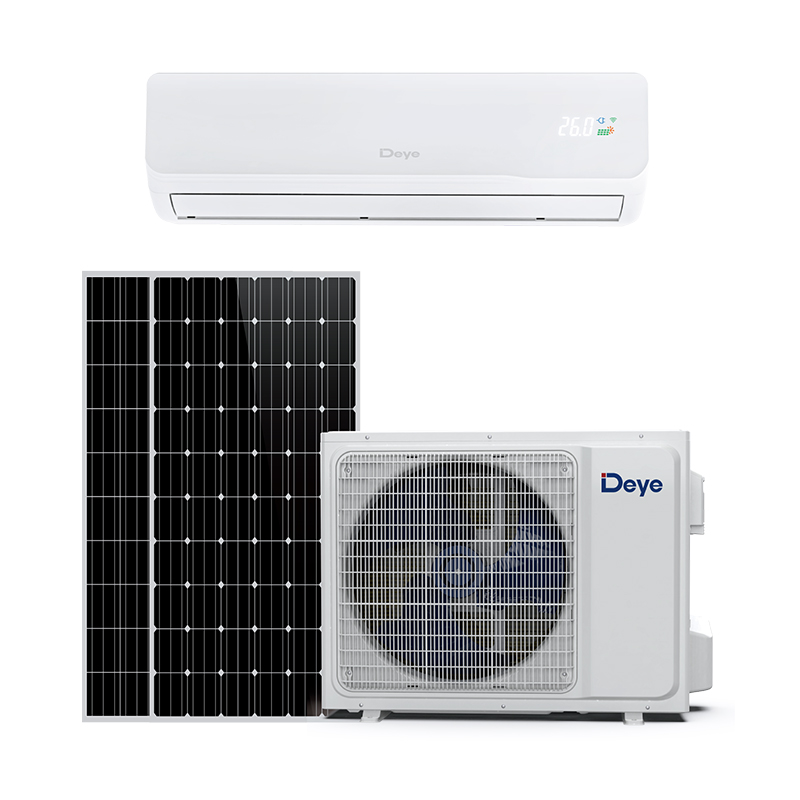
-1.jpg)

Content
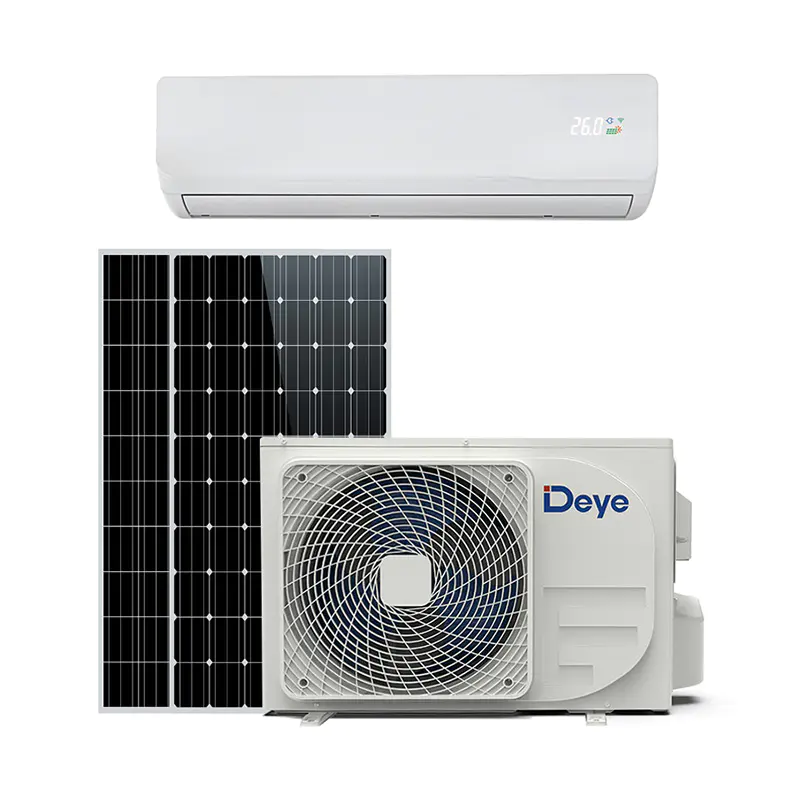
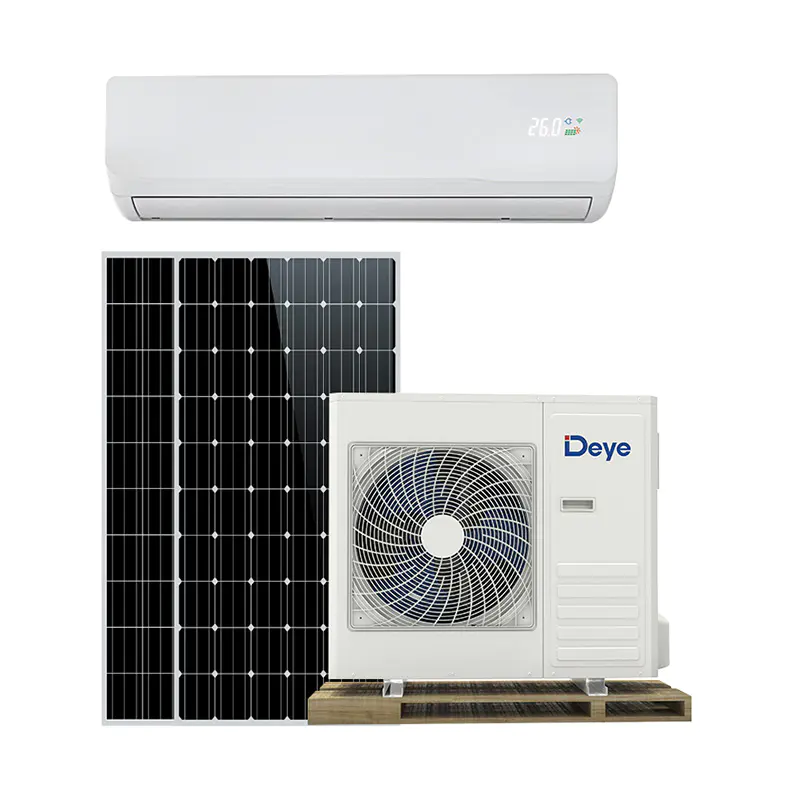
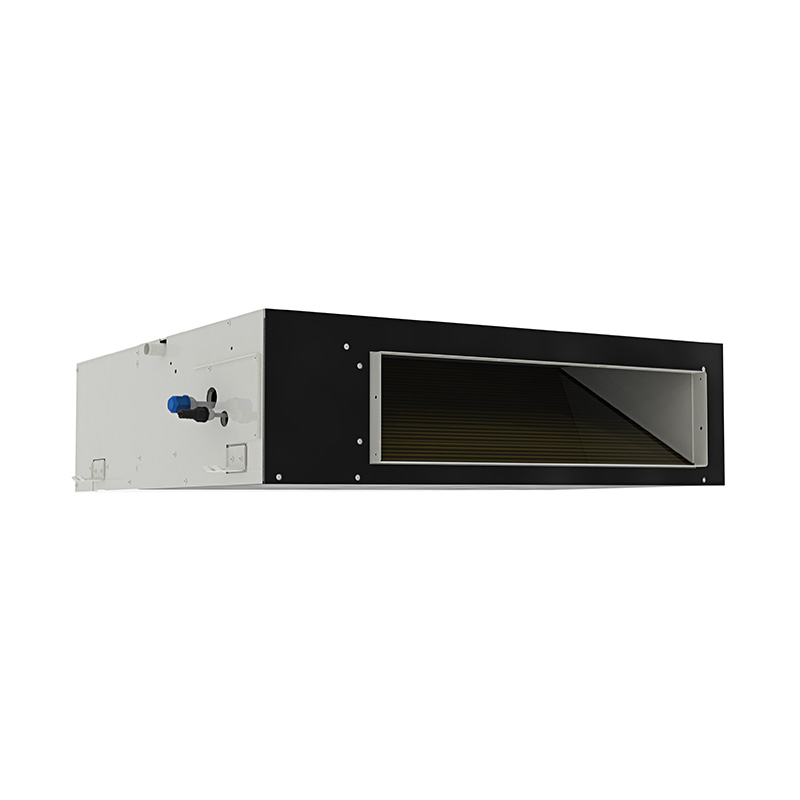
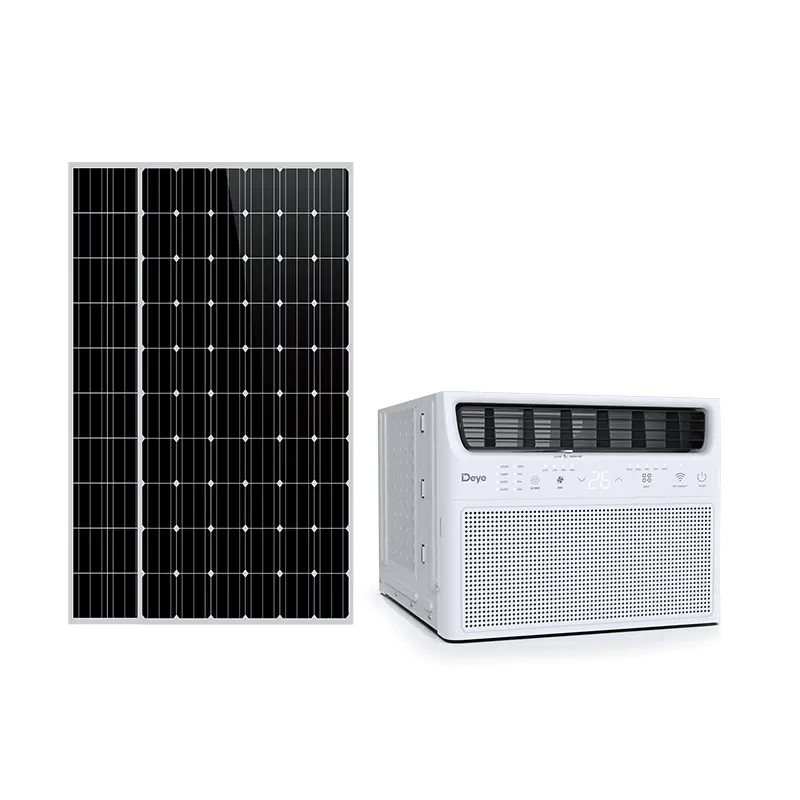
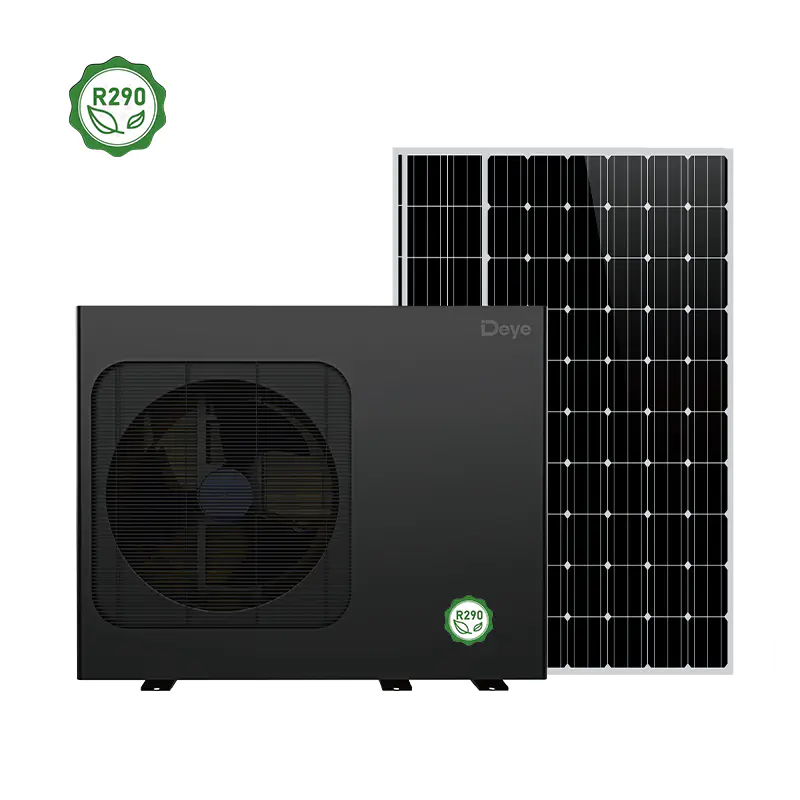
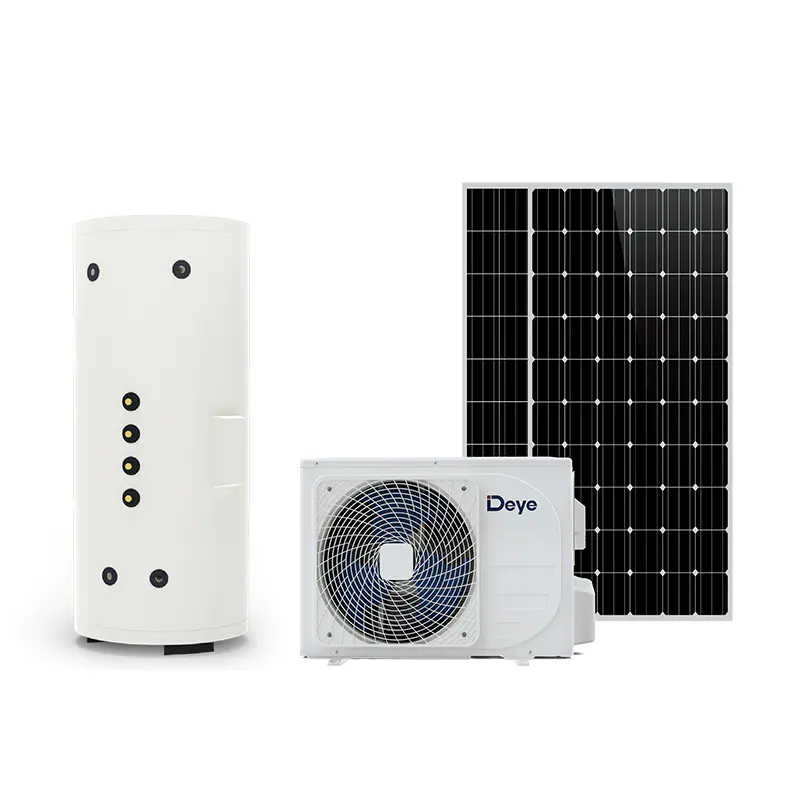
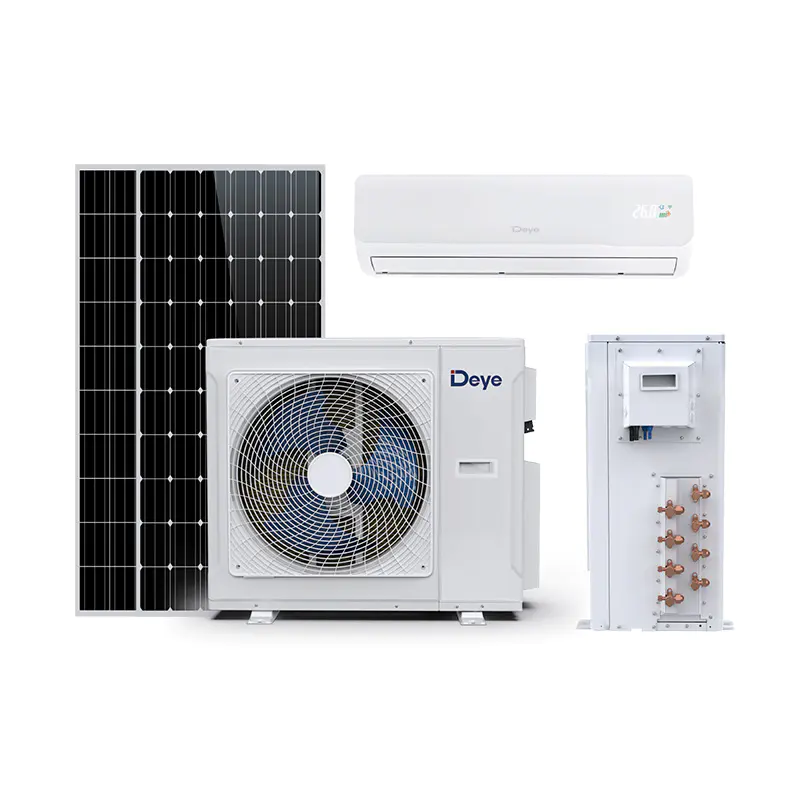
With the global shift towards sustainable energy, solar power has become a key component of modern energy solutions. Light Commercial Solar AC (solar-powered air conditioning systems) represents an innovative approach to air conditioning, gradually gaining significant traction in the commercial HVAC market. Unlike traditional air conditioning systems, solar AC not only offers energy efficiency but also meets environmental standards, providing businesses with more cost-effective and sustainable solutions.
1. Difference in Energy Source
Conventional air conditioning systems primarily rely on traditional electricity, usually sourced from the grid. During peak summer months, when air conditioning demand is at its highest, power consumption skyrockets, increasing the cost for users and putting strain on the electrical grid. On the other hand, Light Commercial Solar AC integrates solar power technology, harnessing solar panels to convert sunlight into electricity to power the air conditioning system. This significantly reduces dependence on the grid, especially in sunny regions, providing an efficient and eco-friendly cooling solution.
2. Environmental Friendliness and Refrigerant Choice
Traditional air conditioners commonly use refrigerants like R22, which, although popular in the past, has been proven to damage the ozone layer. As a result, international regulations have phased out the use of R22. Modern systems now typically use R410A refrigerant, which is more environmentally friendly and has minimal impact on the ozone layer.
In contrast, Light Commercial Solar AC not only uses eco-friendly refrigerants like R410A but also significantly reduces carbon emissions through the use of solar energy. By relying on clean energy from the sun, solar-powered AC systems offer superior environmental benefits compared to conventional systems, which continue to rely on fossil fuels for electricity generation.
3. Energy Efficiency and Coefficient of Performance (COP)
Light Commercial Solar AC boasts superior performance in terms of energy efficiency. The integration of solar energy allows these systems to operate with minimal reliance on the grid, reducing overall energy consumption. The Coefficient of Performance (COP) for solar AC systems is generally higher than that of conventional air conditioning units, as solar-powered units can operate efficiently during daylight hours, when cooling demand and solar radiation are at their peak.
Conventional systems, by contrast, are subject to grid fluctuations, which can result in reduced efficiency during high-demand periods. Even with modern energy-saving technologies, traditional AC systems typically fall short of the energy savings offered by solar-powered models, particularly in regions with high sunlight exposure.
4. System Design and Integration
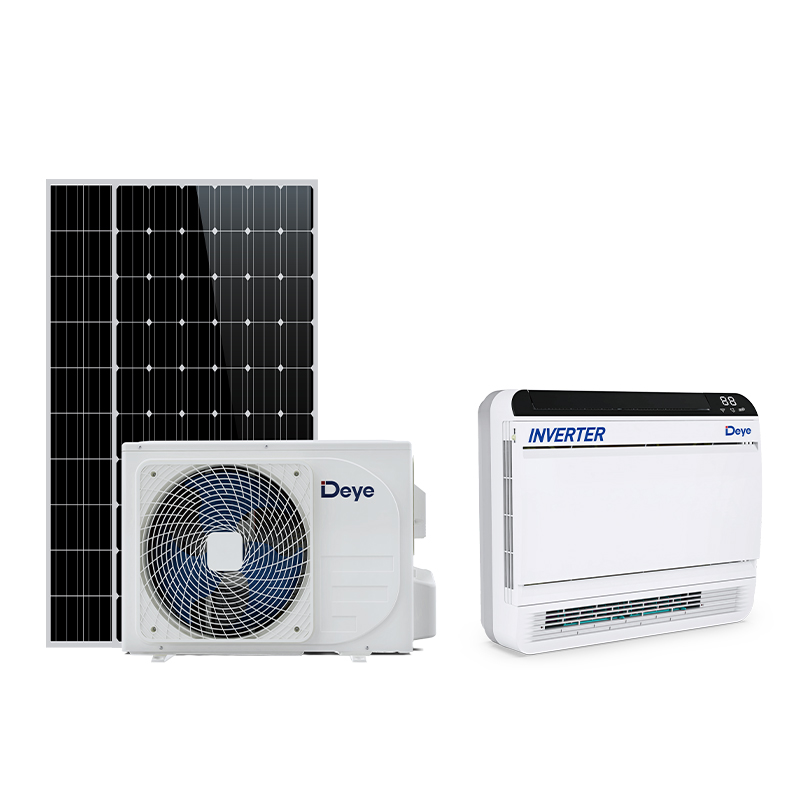
Conventional air conditioning systems consist of components such as compressors, evaporators, and condensers, all of which are powered by electricity. The system is primarily designed for cooling efficiency and user comfort, relying on grid electricity for operation. Light Commercial Solar AC systems, however, incorporate solar panels, inverters, and energy storage batteries, in addition to the typical AC components. The solar panels convert sunlight into electricity to run the AC, while excess energy is stored in batteries for use during non-sunny hours.
The integration of solar power requires careful consideration of the building's layout and available roof space for panel installation, maximizing solar energy collection. In contrast, traditional air conditioners do not require these additional energy generation considerations.
5. Maintenance and Management
Light Commercial Solar AC systems are relatively low-maintenance, requiring periodic cleaning and inspection of the solar panels and maintenance of the batteries and inverters. As solar AC technology improves, these systems become increasingly reliable and less prone to failure. In contrast, traditional air conditioning systems require regular checks of refrigerants, compressors, and electrical components, which can lead to higher maintenance costs over time.
Moreover, solar-powered AC systems often come equipped with smart control features, allowing users to monitor and manage the system remotely via smartphones or computers. This enables better energy optimization and operational control compared to conventional systems, which typically lack such advanced features.
6. Installation Costs and Payback Period
While Light Commercial Solar AC systems have a higher initial installation cost due to the price of solar panels, batteries, and inverters, they provide long-term savings through reduced energy bills. The ongoing operating costs of solar AC systems are primarily related to routine maintenance and occasional electricity supplementation, but the reduction in electricity consumption typically outweighs these costs.
The payback period for a solar AC system is usually between 3 to 5 years, depending on the geographical location and solar availability. After this period, businesses begin to see significant savings in energy costs, making the system more economically viable in the long run. In comparison, traditional AC systems incur higher operational costs due to monthly electricity bills, without offering any similar cost-reduction mechanisms.
7. Flexibility for Commercial Applications
Light Commercial Solar AC systems are particularly suitable for commercial buildings that require efficient and sustainable cooling solutions, such as offices, shopping malls, restaurants, and hotels. These systems not only deliver reliable cooling but also help businesses reduce their carbon footprint and energy expenses. In regions where electricity is expensive or unreliable, solar AC systems can provide a reliable and cost-effective cooling option.
Additionally, solar AC systems can contribute to green building certifications, such as LEED, by promoting sustainable energy use and reducing environmental impact. Traditional air conditioning systems, while effective in cooling, do not offer these additional benefits, making solar AC a more attractive option for eco-conscious businesses.
