

 Español
 русский
 Français
 Português
 Deutsch
 عربى
عربى italiano
-1.jpg)

Content
Impact of High Humidity on Air Source Heat Pump Efficiency
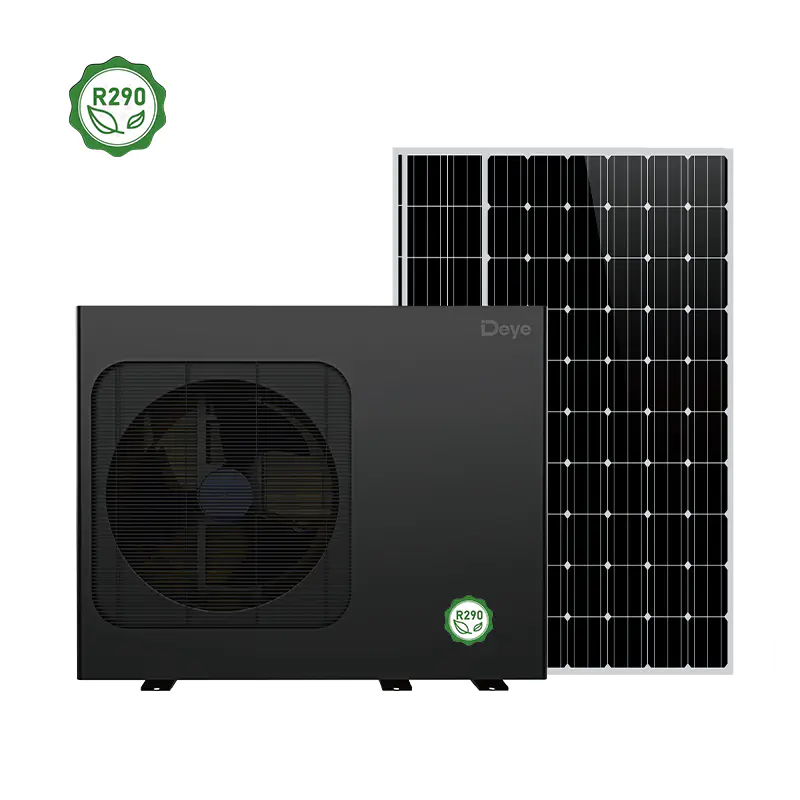
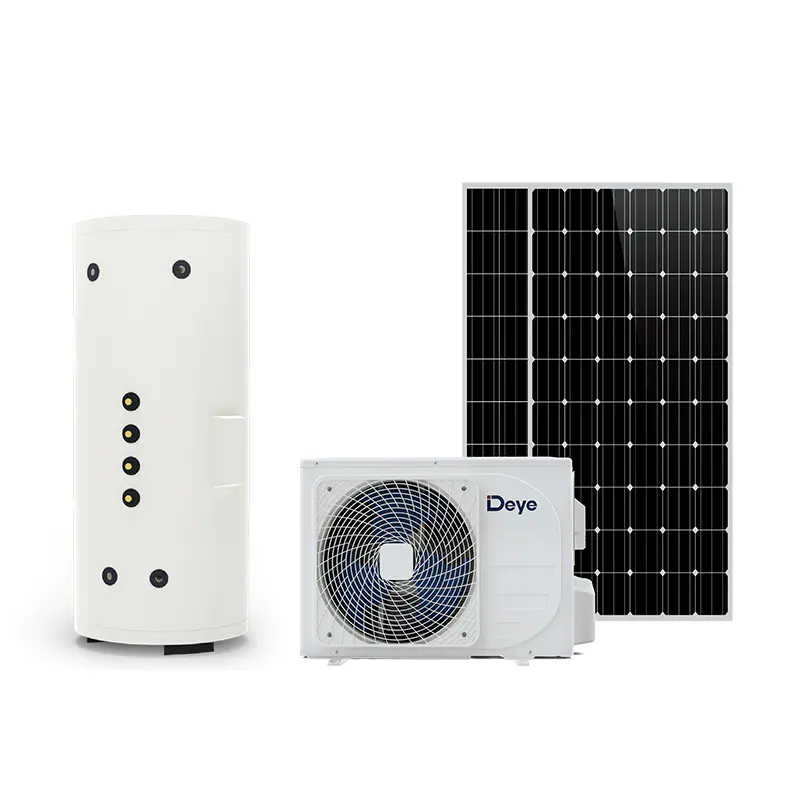
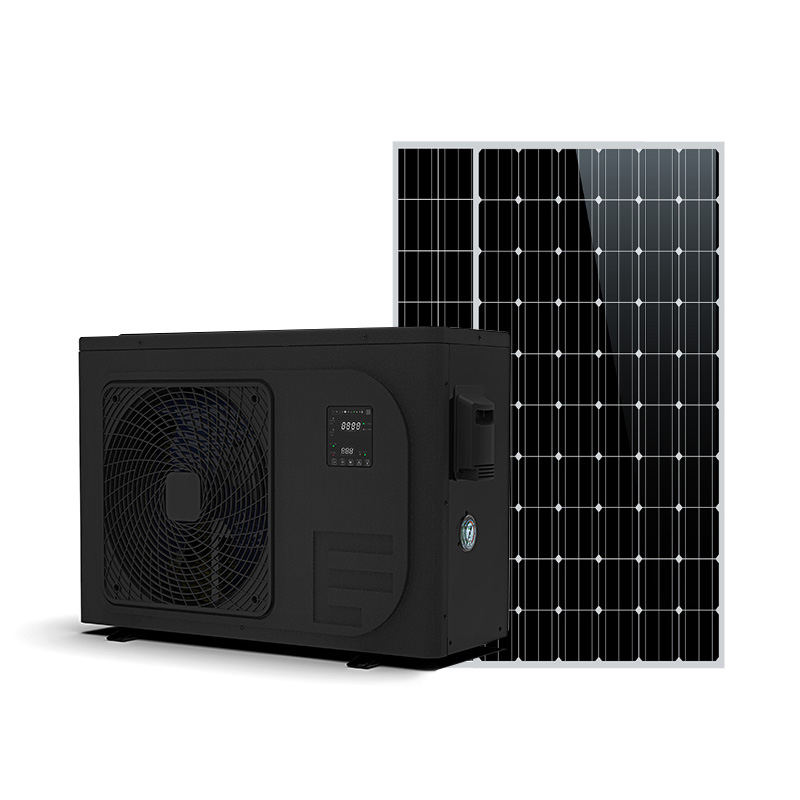
The air source heat pump is a core component of the Solar Air Source Water Heater (Hybrid AC/DC). In high-humidity environments, increased moisture in the air slightly alters air density and heat capacity, directly affecting heat pump efficiency. Moist air condenses on the evaporator surface, creating additional thermal resistance and reducing heat transfer efficiency. During prolonged rainy or foggy periods, sustained high humidity may lower the coefficient of performance (COP), leading to reduced hot water output compared to dry environments.
Condensation and Frost Formation
High humidity accelerates condensation on the heat pump’s heat exchanger. Moisture in the air condenses into water droplets on cold surfaces, which can reduce heat transfer efficiency. In cold and humid conditions, condensation may freeze, forming ice layers that increase airflow resistance and energy consumption. Although Hybrid AC/DC systems typically include automatic defrosting cycles, frequent defrosting places short-term high loads on the compressor, potentially affecting long-term performance and lifespan.
Effect on Solar Collectors
The solar collector component of the system is also affected by high humidity. Moisture or dew formation on the collector surface can reduce solar absorption, as some solar radiation is reflected or scattered by the water film. Continuous exposure to high humidity may also accelerate corrosion of the collector frame and casing. High-quality collectors generally feature corrosion-resistant and waterproof designs, but routine inspection and maintenance remain essential in persistently humid environments.
Electrical System Protection
Hybrid AC/DC systems operate with both AC and DC power, making electrical protection critical in high-humidity conditions. Moisture infiltration into electrical boxes can lead to short circuits, insulation degradation, or component aging. Outdoor electrical enclosures must meet IP65 or higher protection standards, with sealed connections for controllers, sensors, and terminals. Electrical boxes should not be directly exposed to rain or fog to maintain system safety and reliability.
Control Strategy Adjustments
High-humidity conditions require optimized control strategies to maintain stable operation. The heat pump may perform more frequent defrost cycles, and the controller should adjust heating modes based on humidity, temperature, and hot water demand. The DC operating mode of the hybrid system enables efficient low-load operation, reducing energy waste caused by frequent starts and stops under humid conditions. Hot water storage temperature management should also account for reduced heat pump efficiency to ensure consistent user supply.
Corrosion Resistance and Long-Term Stability
High humidity accelerates corrosion of metal components and piping. Storage tanks, pipes, frames, and heat exchangers must use corrosion-resistant materials such as stainless steel, galvanized steel, or aluminum alloys, with high-quality waterproof coatings. Pipe joints and valves should provide sealed connections to prevent leakage and microbial growth. Regular inspection and maintenance extend service life and ensure reliable operation in humid conditions.
Maintenance Recommendations
Routine maintenance is critical in high-humidity environments. Clean the heat exchanger, solar collector, and air filters to remove water accumulation, debris, and mold, which can impair heat transfer efficiency. Check controllers, sensors, and electrical boxes to ensure they remain dry. Applying protective coatings or anode rods in storage tanks helps mitigate water corrosion, maintaining system performance and reliability.
