

 Español
 русский
 Français
 Português
 Deutsch
 عربى
عربى italiano
-1.jpg)
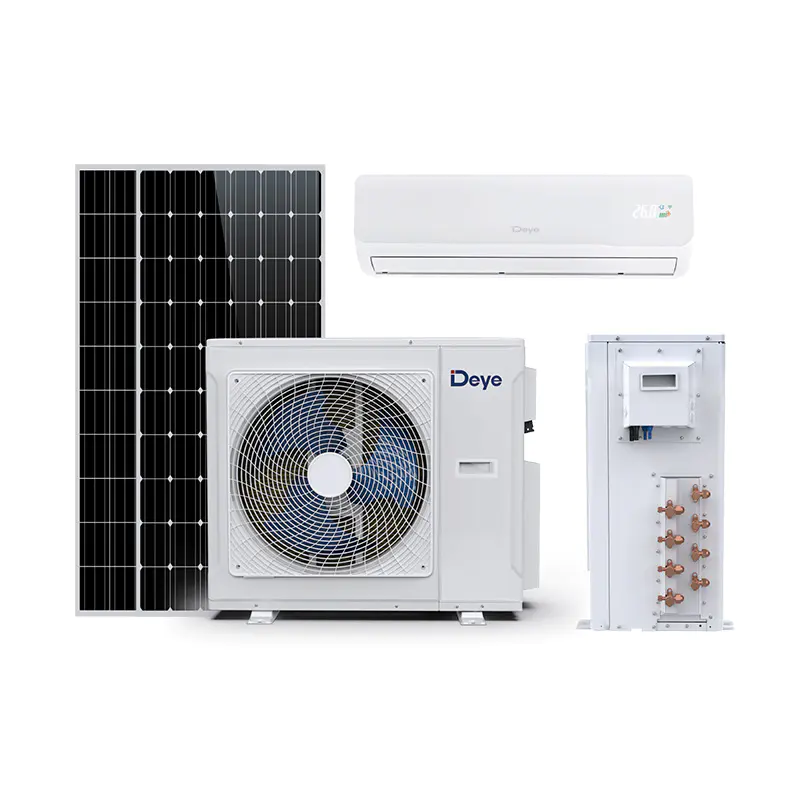

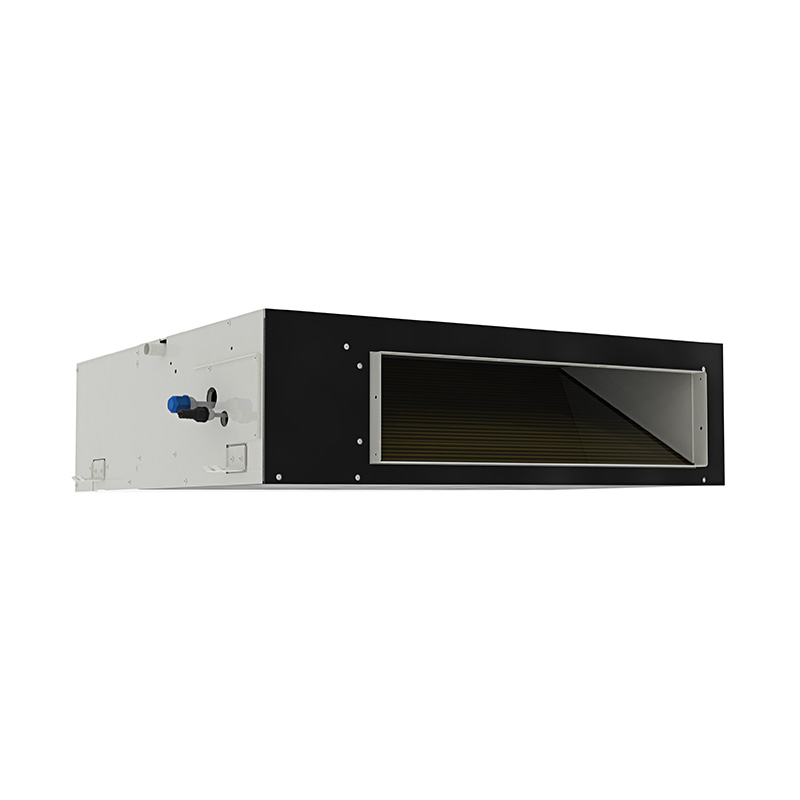
In light commercial solar air conditioning systems, the sealing and air tightness of the air duct directly affect the energy efficiency and service life of the overall system. Efficient sealing technology can not only prevent the leakage of cold air and heat conduction, but also prevent the entry of air impurities, ensuring the indoor air quality and stable operation of the equipment.
Optimize sealing materials to achieve lasting airtightness
The performance of the sealing material determines the basic air tightness of the air duct. Commonly used sealing materials include high elastic sealants, polyurethane foam sealants, EPDM rubber sealing strips, etc. These materials have good elasticity, temperature resistance and aging resistance, and can perform adaptive sealing with the thermal expansion and contraction of the air duct structure to avoid gaps caused by temperature changes.
High-quality sealants use environmentally friendly and non-toxic formulas to ensure that no harmful substances are released during the operation of solar air conditioners. Some manufacturers have also developed two-component sealants specifically for solar air conditioning ducts to improve the bonding strength and durability of sealants and prevent sealing failure due to vibration or pressure fluctuations.
Optimize the structural design of the air duct to reduce the risk of airflow leakage
The structural design of the air duct has a significant impact on air tightness. Light commercial air ducts usually adopt a multi-layer composite material structure, with a smooth polyester film as the inner layer, aluminum foil or galvanized steel plate as the outer layer, and a high-density insulation layer in the middle, which realizes an integrated design of insulation and sealing.
The cross-section of the air duct adopts a rectangular or circular design. The circular structure has better air tightness and evenly distributes pressure, reducing air leakage caused by interface deformation. The wall thickness and rigidity design of the air duct take into account both lightness and structural stability to avoid gaps caused by deformation. The overall modular design ensures the standardization of the interface and effectively improves the air tightness of the connection.
Precision interface technology ensures that the connection is tight and seamless
The air duct connection is the most vulnerable position for air tightness. Flange connection, plug-in fasteners or special quick-locking buckle system are used to ensure a stable connection and tight sealing. The interface is equipped with a high-elastic sealing ring or sealing strip, which forms a tight fitting surface after compression to prevent air leakage.
During the installation process, professional tools are used to reinforce the interface, and high-performance sealant is applied to the key connection to enhance the sealing effect. For complex components such as elbows and tees, special sealing structures are designed to avoid air leakage in dead corners. The air duct system using seamless welding or hot-melt sealing technology further improves the overall air tightness.
Strict testing standards to ensure that the air duct air tightness performance meets the standards
To ensure that the air duct sealing performance meets industry standards, multiple testing methods are used. Common ones are air tightness test, pressure test and leakage rate test. By pressurizing or vacuuming the air duct, the system pressure change and leakage volume are measured to evaluate the sealing effect.
The test complies with national and international air duct sealing standards such as ASHRAE 90.1 or GB/T 19211 to ensure that the air duct has no obvious leakage under the design pressure. For light commercial solar air conditioning systems, the test also includes sealing stability test under ambient temperature changes to ensure that the sealing performance does not decrease during long-term use.
Scientific maintenance and regular overhaul to extend the sealing life
The sealing of the air duct system is not completed at one time during installation, but requires scientific maintenance and regular overhaul. During operation, it is necessary to regularly check the integrity of the air duct joints and sealing materials, and promptly repair seal damage caused by aging, vibration or mechanical damage.
Cleaning the inside of the air duct to prevent dust and corrosion accumulation helps protect the sealing layer from being damaged. Apply intelligent monitoring technology to monitor the air tightness of the air duct system in real time, detect potential leakage problems in advance, reduce system energy consumption, and ensure efficient and stable operation of the air conditioning system.
