

 Español
 русский
 Français
 Português
 Deutsch
 عربى
عربى italiano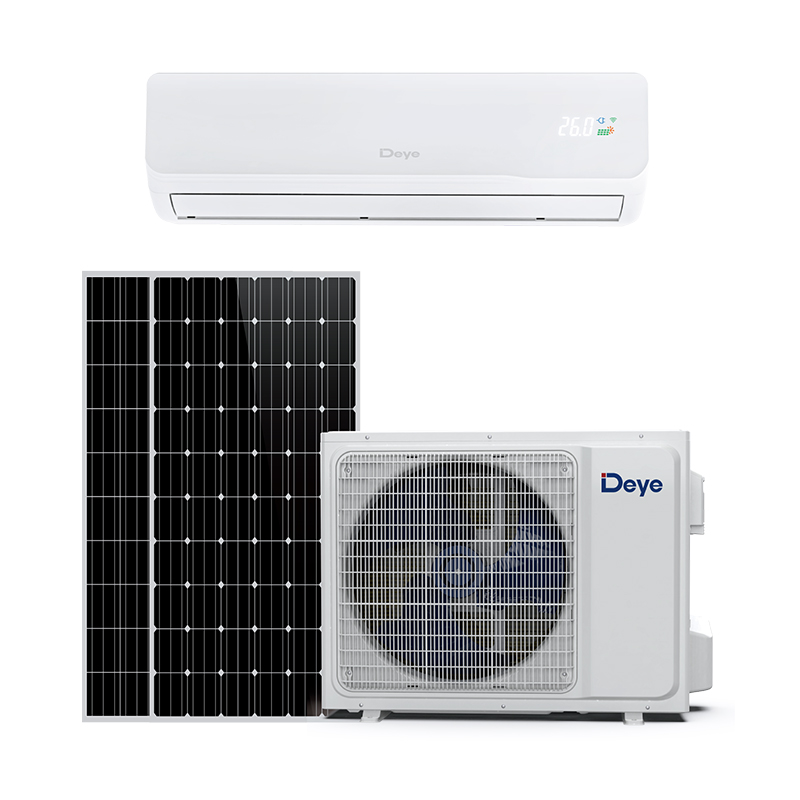
-1.jpg)

Content
What is a Solar Air Conditioner?
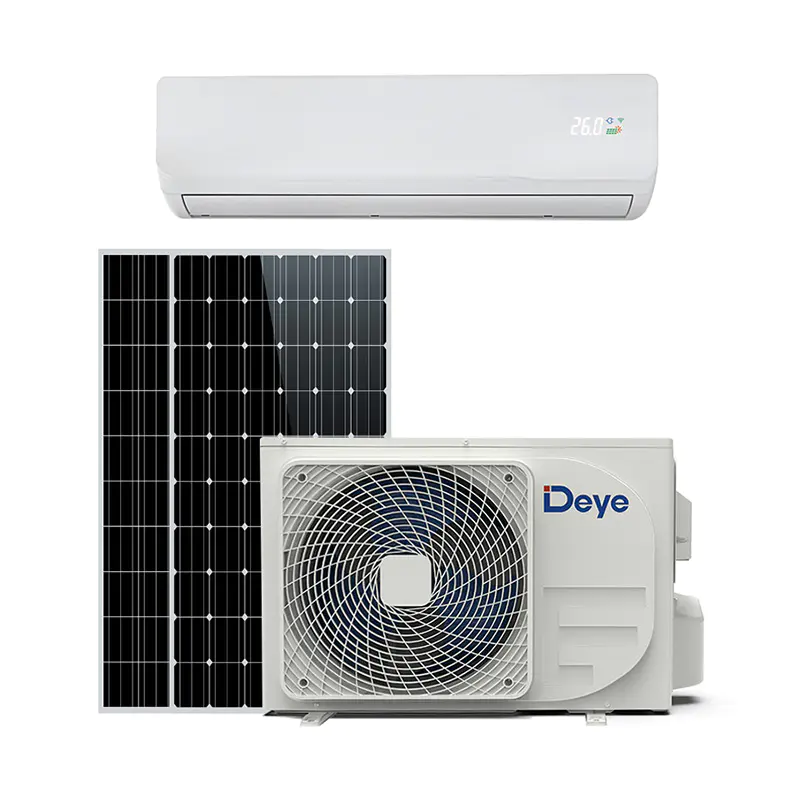
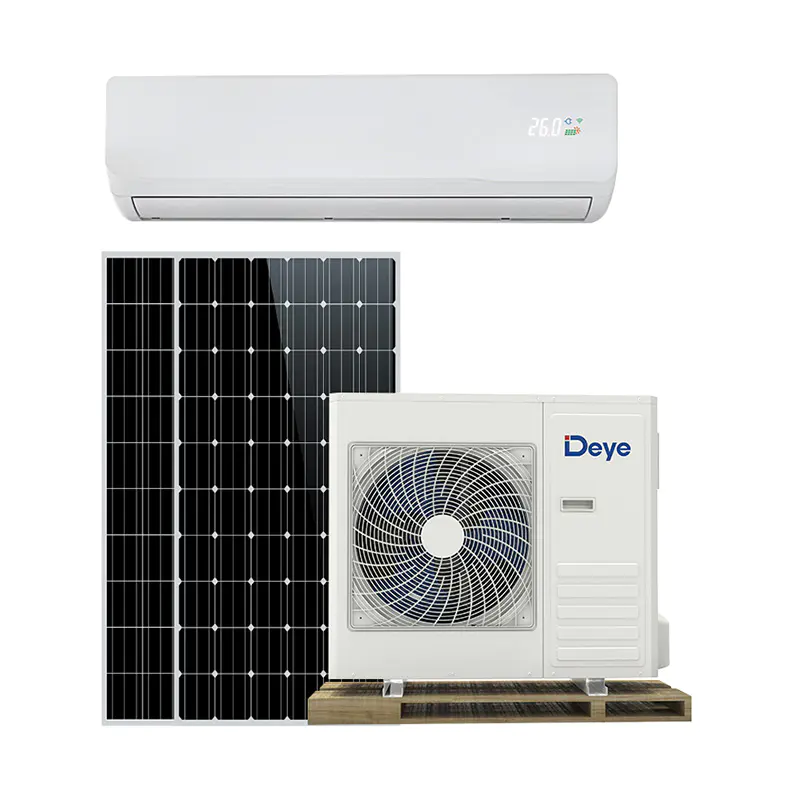
A solar air conditioner is a cooling system that uses solar energy as its primary power source. Unlike traditional AC units that rely entirely on grid power, a solar air conditioner converts sunlight into either electricity or thermal energy to operate its cooling system. This innovative technology not only helps to significantly cut down on electricity bills but also reduces reliance on fossil fuels, making it an ideal choice for an eco-friendly lifestyle.
How a Solar Air Conditioner Works
There are two main principles for how solar air conditioners operate: photovoltaic and thermal-driven.
-
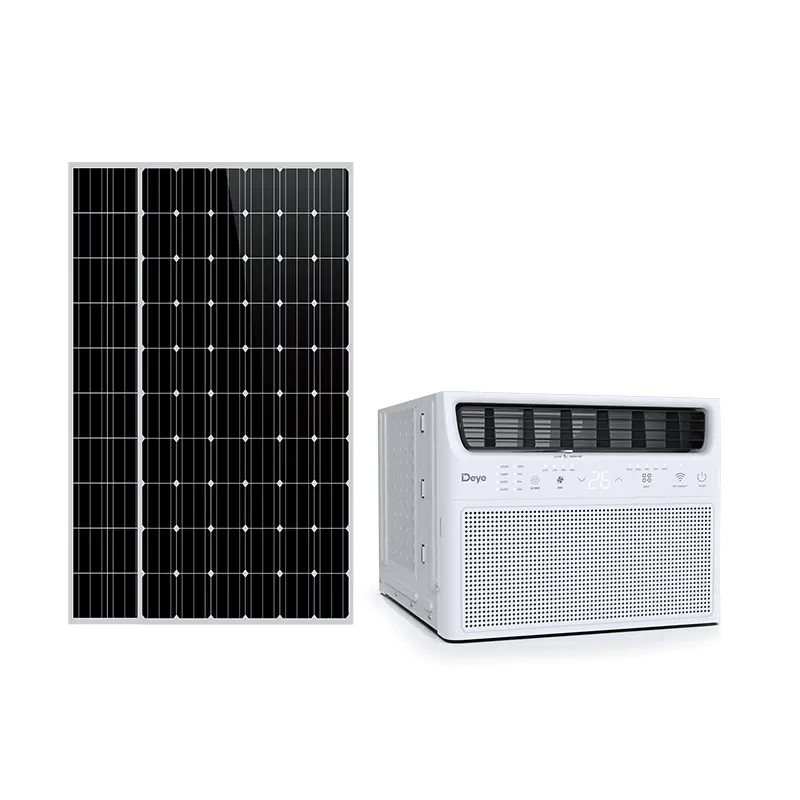
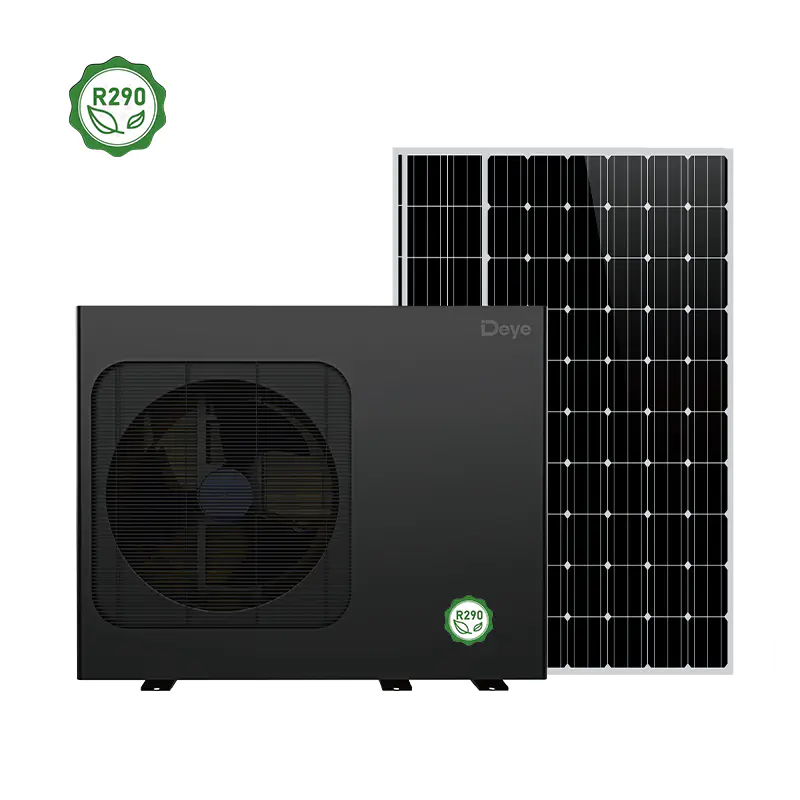
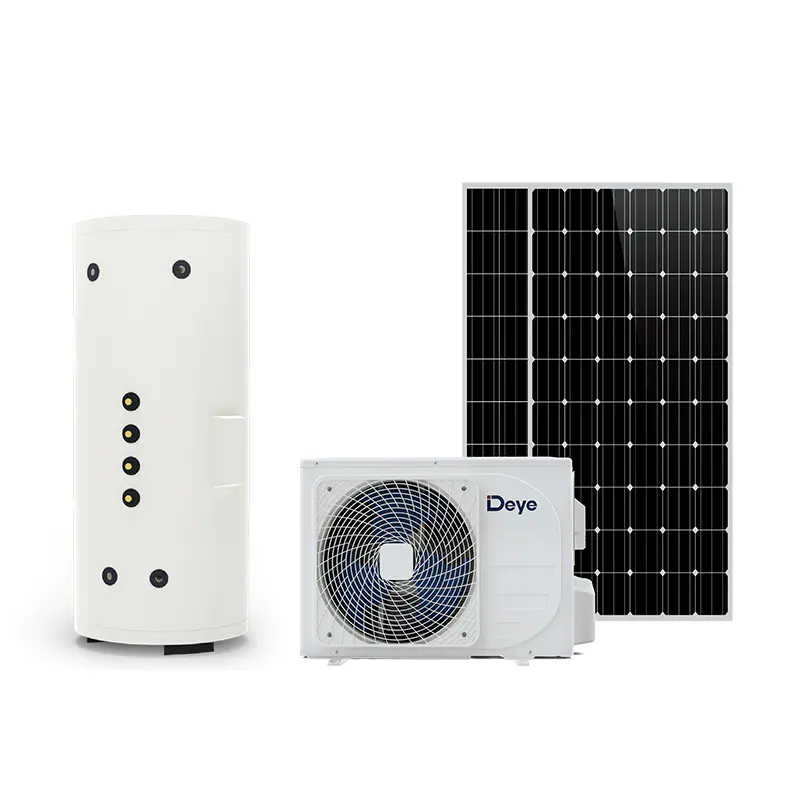
Photovoltaic (PV) Driven (Most Common): This type of system uses PV solar panels to directly convert sunlight into direct current (DC) electricity. This electricity can then power the AC unit's compressor, fans, and control systems. Based on the power supply method, PV-driven systems can be categorized as:
- Hybrid: This system prioritizes using solar energy during the day. When solar power is insufficient (e.g., on cloudy days or at night), the system automatically switches to grid power to ensure continuous operation.
- DC Inverter: This system directly uses the DC power from the solar panels to drive a specially designed DC inverter compressor, which eliminates the need to convert DC to AC and thus improves efficiency.
-
Thermal Driven (Absorption): This type of system uses solar collectors to absorb the sun's heat. The generated thermal energy then drives an absorption cooling cycle, which produces cold air through a chemical reaction rather than mechanical compression. This system is more complex and is typically used for large-scale commercial or industrial projects.
Components of a Solar Air Conditioning System
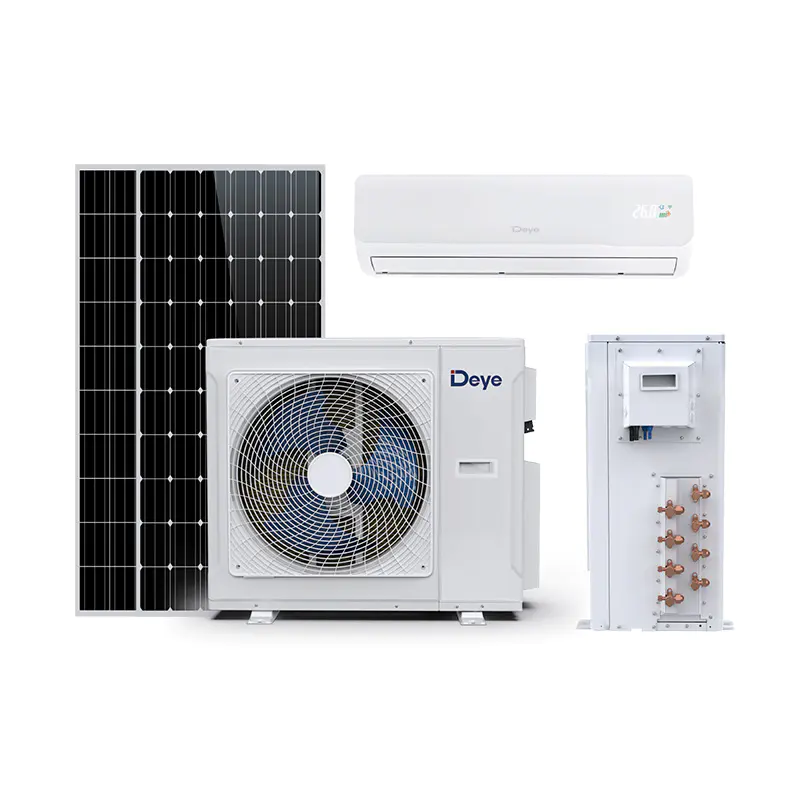
A solar air conditioning system is a complex integration of various technologies, with its core function being the efficient capture, conversion, and utilization of solar energy. A typical PV-driven solar AC system consists of the following key components:
1. Solar Panels
This is the "energy heart" of the system, responsible for converting sunlight directly into DC electricity. The type and number of panels determine the total amount of electricity the system can generate. Common types include monocrystalline and polycrystalline, where:
- Monocrystalline panels are more efficient, with conversion rates typically above 18-23%, but are also more expensive.
- Polycrystalline panels are slightly less efficient, usually around 15-18%, but have a lower manufacturing cost and offer better value for money.
The choice between them depends on your budget and available installation space.
2. Inverter
The inverter is the "converter" in a solar AC system. Its main function is to convert the DC electricity generated by the solar panels into AC electricity, which is used by most household appliances and certain types of air conditioners.
- Grid-tied inverters are designed to connect to the power grid, allowing any excess solar power to be sent back to the grid for net metering.
- Off-grid inverters are used for systems without a grid connection or for independent power supply, and they usually work with a battery bank.
3. Battery Bank (Optional)
The battery bank serves as the "energy storage unit" for the system. Its purpose is to store excess electricity generated by the solar panels during the day so it can be used to power the solar air conditioner at night, on cloudy days, or when sunlight is insufficient.
- Lead-acid batteries are less expensive but have a shorter lifespan and require regular maintenance.
- Lithium-ion batteries have a high energy density, are compact, have a long lifespan, and are maintenance-free, but their initial cost is higher.
A battery bank is not essential for all solar AC systems. For instance, a hybrid solar AC automatically switches to grid power when solar energy is insufficient, so it may not require a battery bank.
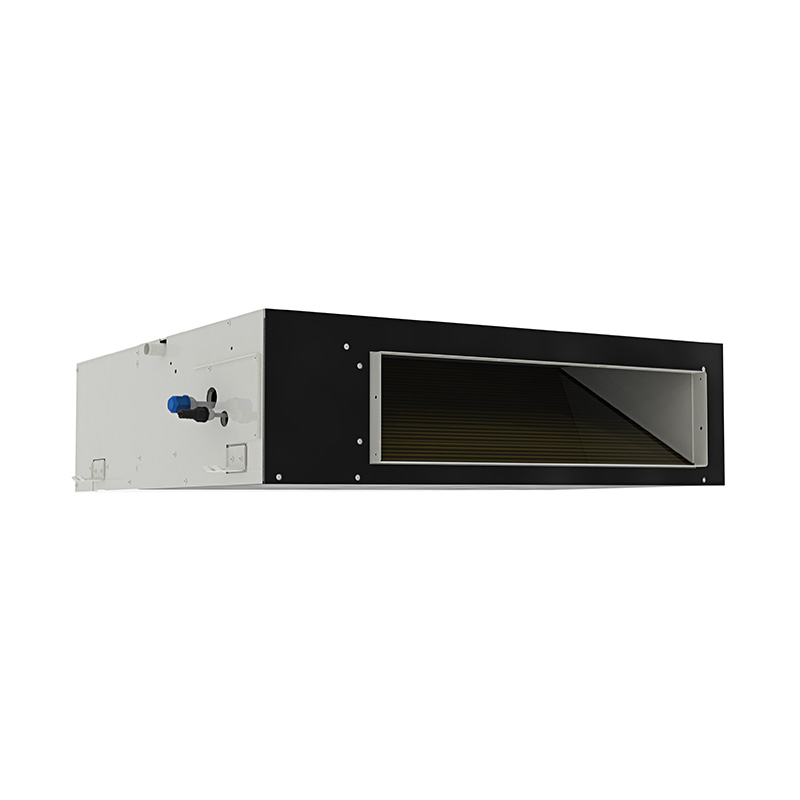
4. Solar Air Conditioner Unit
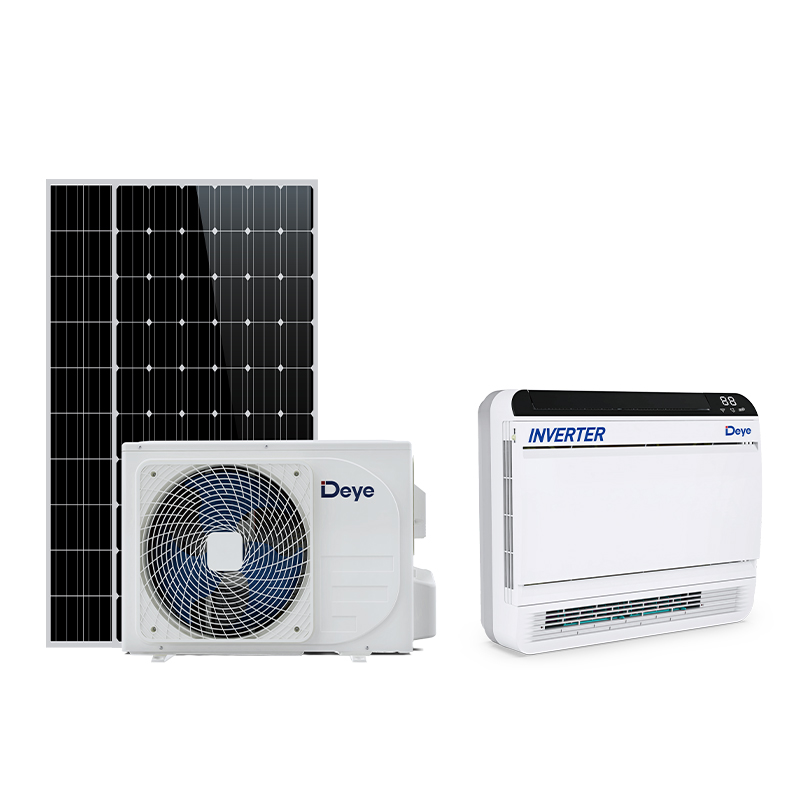
This is the "performer" of the entire system, also known as the AC unit itself. It looks similar to a traditional AC unit but is internally designed to adapt to solar power characteristics.
- DC Inverter AC can run directly on the DC power from the solar panels, bypassing the need for an inverter and reducing energy loss, thus improving overall efficiency.
- AC AC requires an inverter to convert DC power to AC before it can run, which leads to a decrease in efficiency due to the conversion process.
Can you run an air conditioner on solar system?
Yes, you can absolutely run an air conditioner on a solar system, but it's not as simple as just plugging it in. To make it work effectively, you need to consider a few critical factors: the power consumption of your AC unit, the size of your solar array, and whether you'll need energy storage.
1. Power Consumption Calculation
First, you must determine how much power your air conditioner uses. This is often measured in watts (W) or kilowatts (kW). A typical residential AC unit can consume anywhere from 1,000 W to 3,500 W or more. The total energy required depends on how many hours you plan to run it each day.
- Example: A 1,500 W AC unit running for 8 hours a day needs a total of 12,000 watt-hours (12 kWh) of energy.
- Solar Panel Sizing: To generate this energy, you would need to install enough solar panels. A standard solar panel produces about 300-400 W. To cover the 12 kWh daily need, you would need a system capable of generating that amount, taking into account factors like peak sun hours in your location.
2. The Importance of Battery Storage
Running an AC on solar power is most efficient when the sun is shining, which is when you likely need to cool your home the most. However, what about running your AC at night or on a cloudy day? This is where a battery bank becomes crucial.
- Without batteries: Your solar AC can only run when there's enough sunlight. If the sun goes down or is blocked by clouds, the AC will stop unless it's a hybrid system that can switch to grid power.
- With batteries: The solar panels can charge the batteries throughout the day. This stored energy can then power the AC when there's no sunlight, ensuring uninterrupted operation.
Advantages and Challenges of Solar Air Conditioners
As an innovative cooling technology, a solar air conditioner offers numerous benefits but also faces some practical challenges. A thorough understanding of its advantages and limitations can help you make a more informed decision about whether it is the right choice for your needs.
Advantages:
-
Significantly Reduced Running Costs
Solar air conditioners use free solar energy as their primary power source, which can drastically reduce reliance on the power grid. Especially during peak electricity consumption hours in summer, when solar energy is most abundant, the running costs of the AC can be virtually zero, saving users a lot of money on their electricity bills. -
Eco-friendly and Sustainable
Compared to traditional air conditioners, a solar air conditioner produces almost no carbon emissions. It uses clean, renewable solar energy, which helps reduce greenhouse gas emissions, mitigate global warming, and lessen our dependence on finite fossil fuels, leading to a more sustainable lifestyle. -
Suitable for Remote Areas
In remote areas with limited or unstable power grid coverage, a solar air conditioner can serve as a standalone cooling solution. It is not limited by geographical location; as long as there is sunlight, it can provide reliable cooling for homes or campsites.
Challenges:
-
High Initial Investment
The installation cost of a solar air conditioning system is much higher than a traditional AC. In addition to the AC unit itself, users need to purchase solar panels, an inverter, and potentially a battery bank, making the upfront cost a major barrier for many potential users. -
Dependence on Weather Conditions
The efficiency of a solar air conditioner is directly affected by the weather. On cloudy, rainy days or at night, the system's cooling capacity will be significantly reduced as the solar panels cannot generate electricity efficiently. Unless the system is equipped with a large-capacity battery bank or a hybrid power system, continuous and stable operation may not be guaranteed. -
Space Requirements and Installation Complexity
To generate enough power, a solar AC system requires a large number of solar panels, which need sufficient rooftop or ground space. Additionally, the wiring and installation process for the entire system are more complex than for a traditional AC and require professional technicians.
Solar Air Conditioner vs. Traditional Air Conditioner: A Comparison
| Trait | Solar Air Conditioner | Traditional Air Conditioner |
|---|---|---|
| Long-term running cost | Extremely low (virtually zero) | High (depends on electricity rates) |
| Environmental benefits | Very high (zero carbon emissions) | Lower (produces carbon emissions) |
| Initial investment | Higher (requires purchasing the entire system) | Lower (only requires purchasing the AC unit) |
| Power supply stability | Affected by weather; relies on batteries or the grid | Stable, as long as the grid is working |
| Installation complexity | Higher, requires professional planning and installation | Lower, installation is relatively simple |
How to Choose the Right Solar Air Conditioner
Choosing the right solar air conditioner requires a comprehensive evaluation of several factors to ensure the system meets your cooling needs while achieving optimal economic and environmental benefits. Here are a few key points to consider:
1. Determine Cooling Capacity and Energy Efficiency Ratio (EER)
First, you need to determine the required cooling capacity based on the size of the room. Cooling capacity is usually measured in BTU (British Thermal Units) or kW (kilowatts). The larger the room, the higher the required cooling capacity.
- Calculation Method: Generally, a room needs about 150-200 BTU of cooling capacity per square meter. For example, a 20-square-meter room would require a cooling capacity of approximately 3000-4000 BTU.
Next, pay attention to the air conditioner's Energy Efficiency Ratio (EER). A higher EER means the AC unit provides better cooling with the same amount of power consumption. Choosing a solar air conditioner with a high EER will maximize the use of solar energy and reduce reliance on the power grid.
2. Consider System Type and Budget
Solar AC systems come in different types, each with its own unique advantages, disadvantages, and cost structure. Your budget and the required power supply stability will determine which type is most suitable for you.
| System Type | Power Supply Method | Advantages | Disadvantages |
|---|---|---|---|
| Hybrid | Prioritizes solar, automatically switches to grid when insufficient. | Stable power supply, not affected by weather, no expensive batteries needed. | Still relies on the grid, cannot completely eliminate electricity bills. |
| Pure DC | Uses only DC power from solar panels. | High efficiency, low energy loss, full utilization of solar energy. | Cannot operate without sufficient sunlight. |
| Off-Grid | Solar power + battery storage, completely off the grid. | Energy independent, not affected by grid fluctuations, zero electricity bills. | Extremely high initial investment, requires regular battery maintenance. |
3. Consider Installation Conditions and Local Sun Hours
A solar air conditioning system requires sufficient space to install the solar panels. Before choosing, you need to evaluate whether your rooftop or available ground area can accommodate the required number of panels.
Additionally, the number of sun hours in your area is a key factor. The longer the sunlight duration and the more abundant the sun, the more efficient your solar AC system will be. If your area is often cloudy or rainy, or if you need to use the air conditioner at night, it would be wise to either have a battery bank or choose a hybrid system.
