

 Español
 русский
 Français
 Português
 Deutsch
 عربى
عربى italiano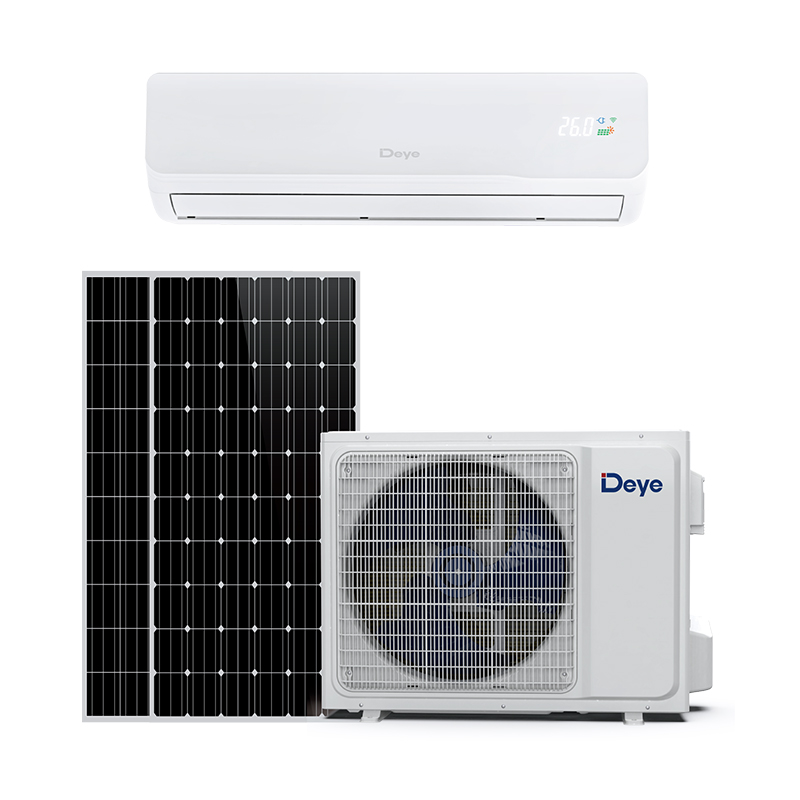
-1.jpg)
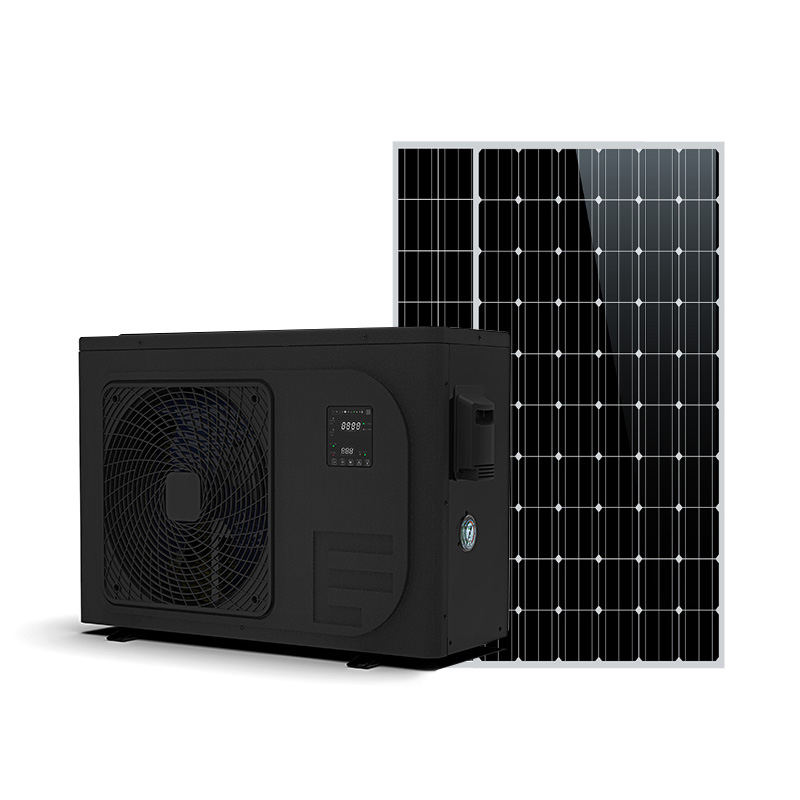
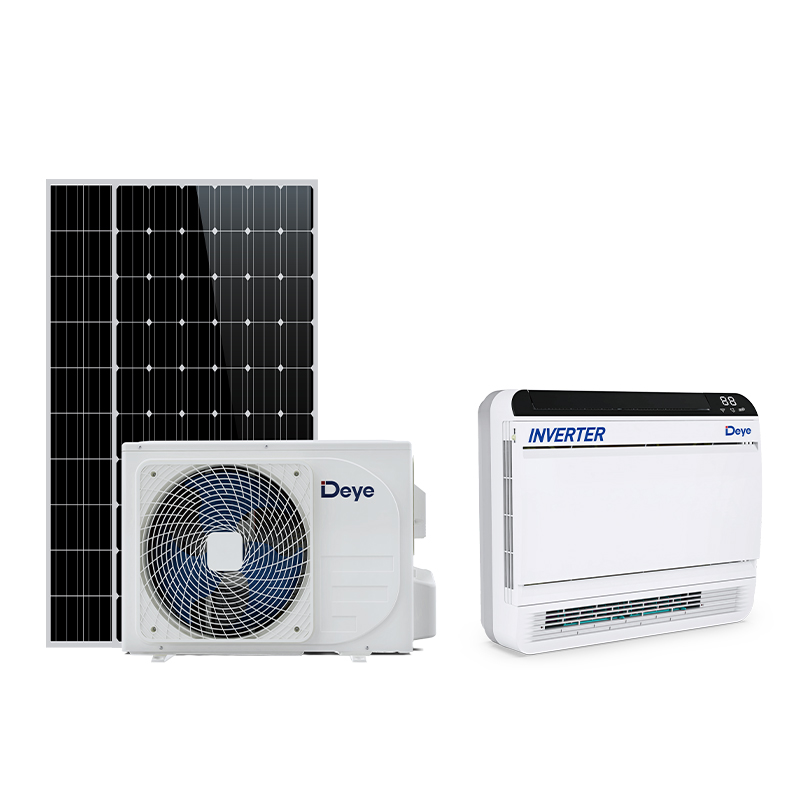
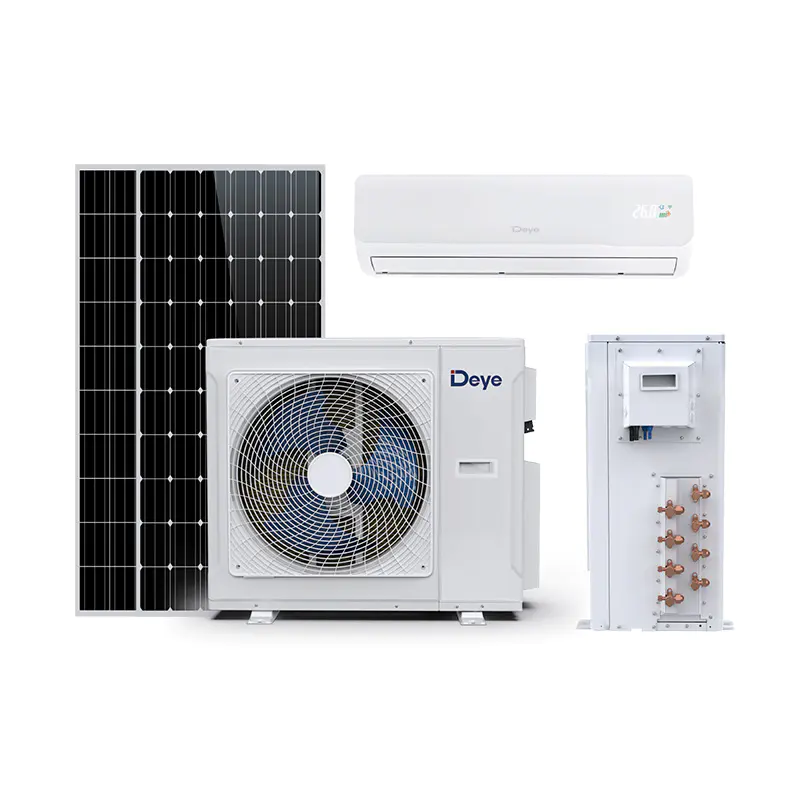

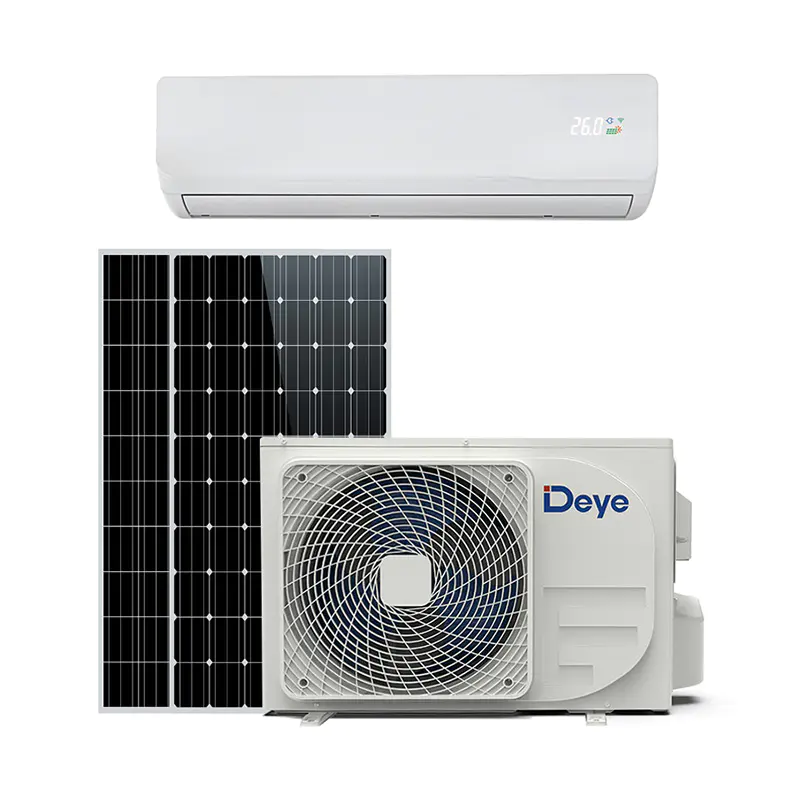
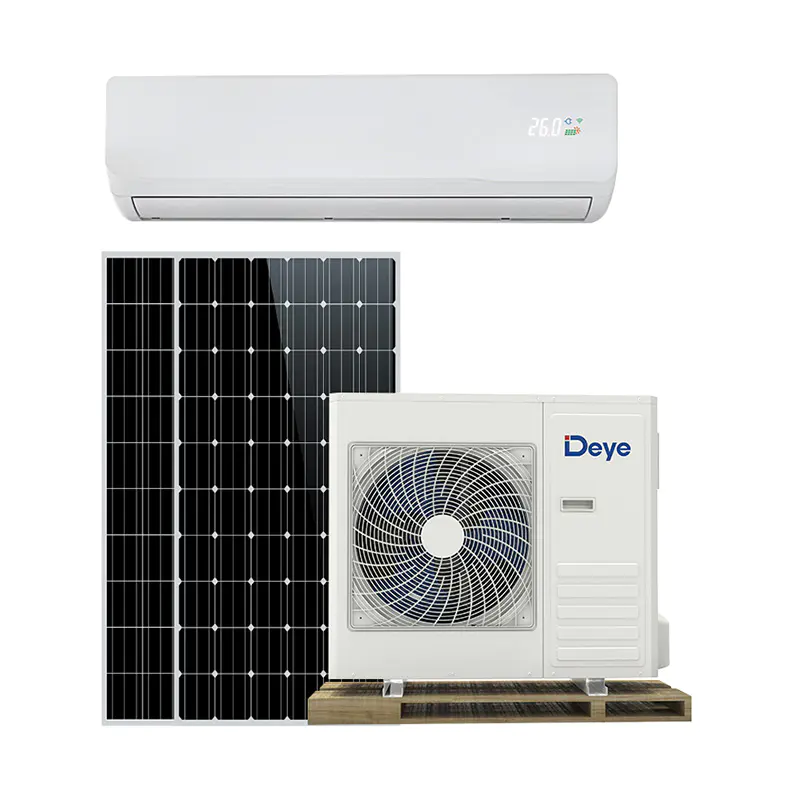
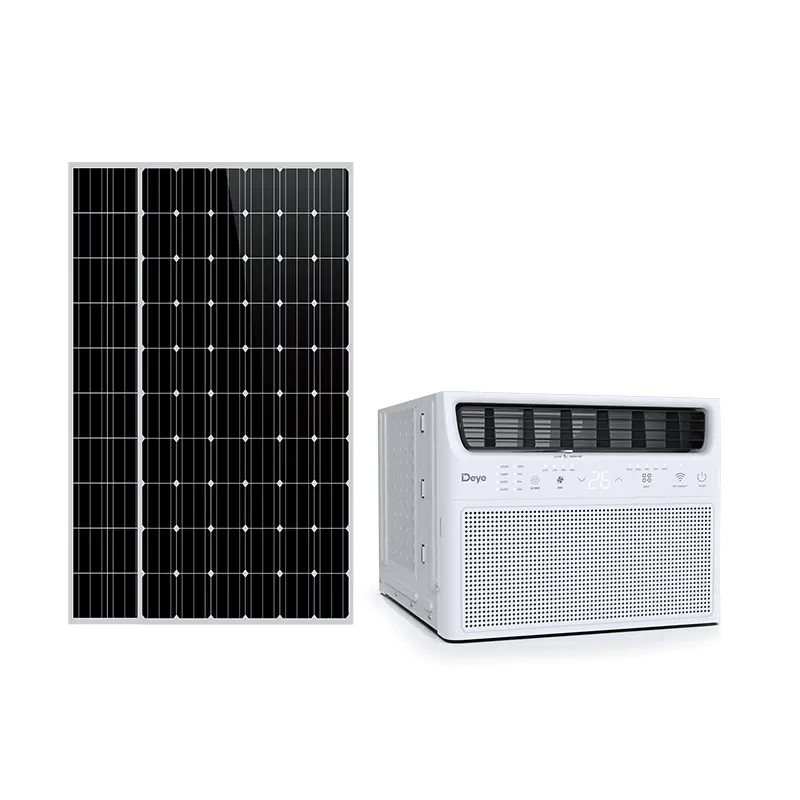
As a hybrid air conditioning system that integrates photovoltaic (PV) technology and precision DC inverter technology, the Hybrid ACDC Solar Window AC's failure modes exhibit the complexity of traditional air conditioning and solar systems.
I. Solar DC Input and MPPT Failures
This fault category is unique to the Hybrid ACDC system and directly affects daytime energy savings and system performance.
1. Abnormal DC Input Voltage
Fault Symptom: The air conditioner fails to activate in DC Priority Mode or the MPPT controller displays an error code.
Professional Analysis: Overvoltage or undervoltage is the primary cause.
Overvoltage Risk: This is commonly seen in cold weather (increased VOC levels on PV panels) or due to improper PV array sizing or excessive series connection of panels, causing the voltage to exceed the MPPT's maximum tolerance, causing the system to shut down to protect internal circuitry.
Risk of too low power: Insufficient sunlight, severe shading of the PV panels (shading), a loose DC connector (MC4 connector), or a short circuit within the PV array can cause VMPP to fall below the startup voltage.
2. DC/AC Auto-Balance Logic Disorder
Fault Symptom: The system frequently draws large amounts of power from the AC grid during abundant daylight hours; or the system frequently switches between DC and AC (cycling) with even slight changes in sunlight.
Professional Analysis: MPPT tracking failure or a built-in Power Management Unit logic error. Possible causes include:
Sensor Failure: Inaccurate readings from the internal current sensor or voltage sensor cause the control board to misjudge the current available PV power.
Firmware Issue: A flaw in the control system firmware algorithm prevents smooth DC/AC seamless transition.
II. Refrigeration and Inverter Core Component Failures
Although this is a window-type unit, its core refrigeration cycle and inverter technology failures are similar to those of traditional inverter AC units, but the diagnosis requires consideration of the DC power supply.
3. DC Inverter Compressor Start Failure
Failure Symptom: The system powers on and the fan runs, but there is no cooling effect. A compressor protection code then displays.
Professional Analysis: * Unstable DC power supply: Even if the auto-balancing logic switches to AC power, significant AC grid voltage fluctuations or the system determines that the DC power supply is still unstable may prevent the compressor from starting.
Drive Circuit Failure: The inverter module (IPM or PFC) is damaged and unable to provide accurate inverter drive signals to the DC compressor.
Refrigerant Abnormality: Refrigerant leakage causes system low-pressure protection, or overcharge causes high-pressure protection.
4. Overheating due to poor heat dissipation
Fault Symptom: After the system has been running for a period of time, cooling capacity decreases significantly, while power consumption remains high.
Professional Analysis: * Outdoor contamination: The condenser coil is severely clogged with dust, catkins, etc., resulting in low heat rejection efficiency and increased system discharge pressure.
Window AC installation defects: Insufficient heat dissipation clearance around the window unit, or exhaust hot air is short-circuiting, causing it to be drawn back into the condenser.
III. Traditional Window AC and Installation Coupling Failures
This type of failure is closely related to the unique installation configuration and environment of the solar hybrid.
5. Water Leakage and Drainage Blockage
Fault Symptom: Water dripping from the front or indoor side of the AC unit.
Professional Analysis: A level installation problem or a clogged drain pan are the main causes. If the unit is not tilted toward the outside as required (1/2/3) or the condensate drain hole is blocked by foreign matter, water will overflow and flow back into the room.
6. Abnormal Vibration and Noise
Fault Symptoms: Severe vibration, knocking, or a continuous humming sound occurs during operation.
Professional Analysis: * Structural Vibration: Insufficient window frame support or inadequate sealing strips can cause the unit to resonate with the window frame during operation.
Fan Fault: Deformed or misaligned indoor or outdoor fan blades, or worn fan motor bearings.
