

 Español
 русский
 Français
 Português
 Deutsch
 عربى
عربى italiano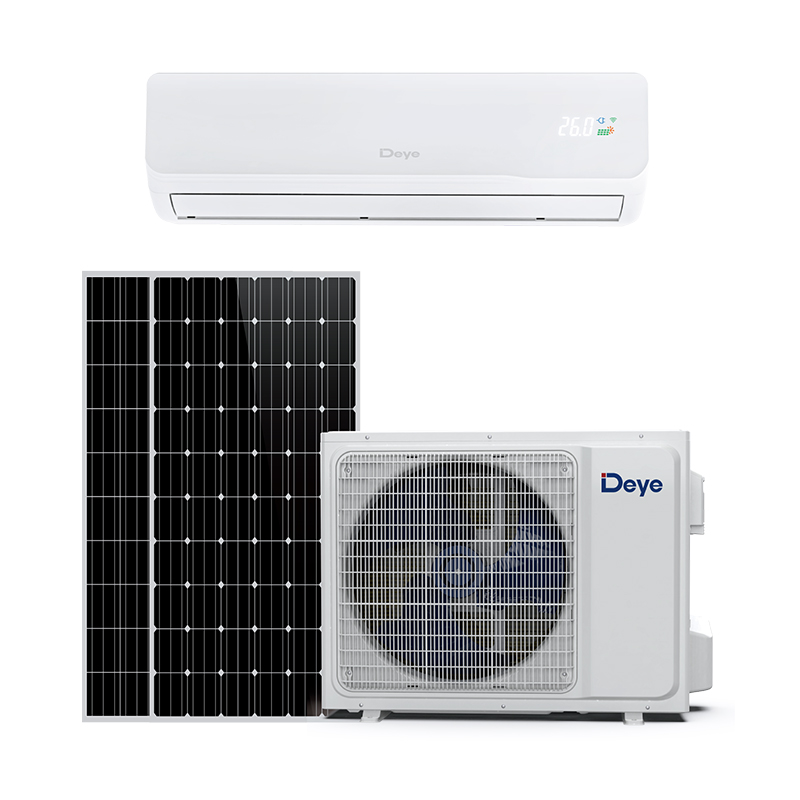
-1.jpg)

Content
- 1 I. Redefining Durability: The Long-Life Design Foundation of System Components
- 2 II. DC Inverter Compressor: Lifecycle and Technological Advantages
- 3 III. MPPT Boost Controller: Guaranteeing the Reliability of the Electronic Core
- 4 IV. Photovoltaic (PV) Panels: The Promise of Long-Term Generation Capacity
- 5 V. Comprehensive Consideration of Unit and System Warranty
I. Redefining Durability: The Long-Life Design Foundation of System Components
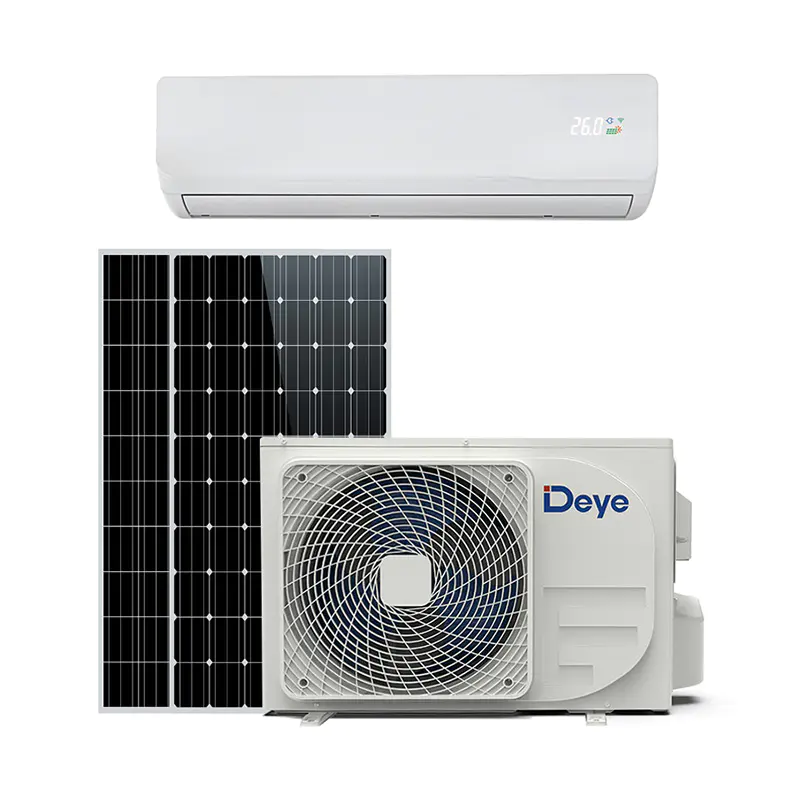
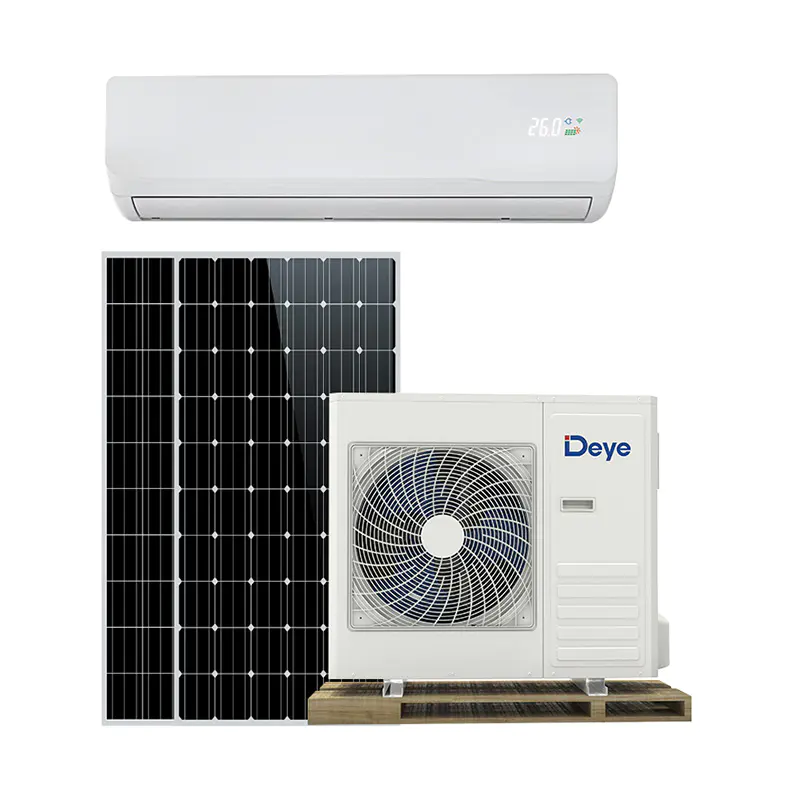
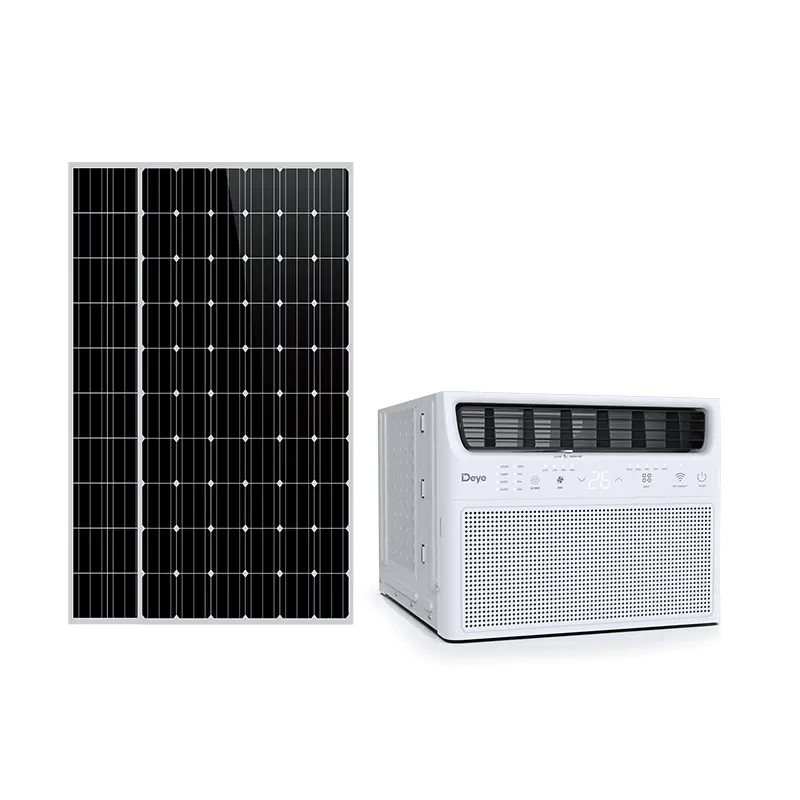
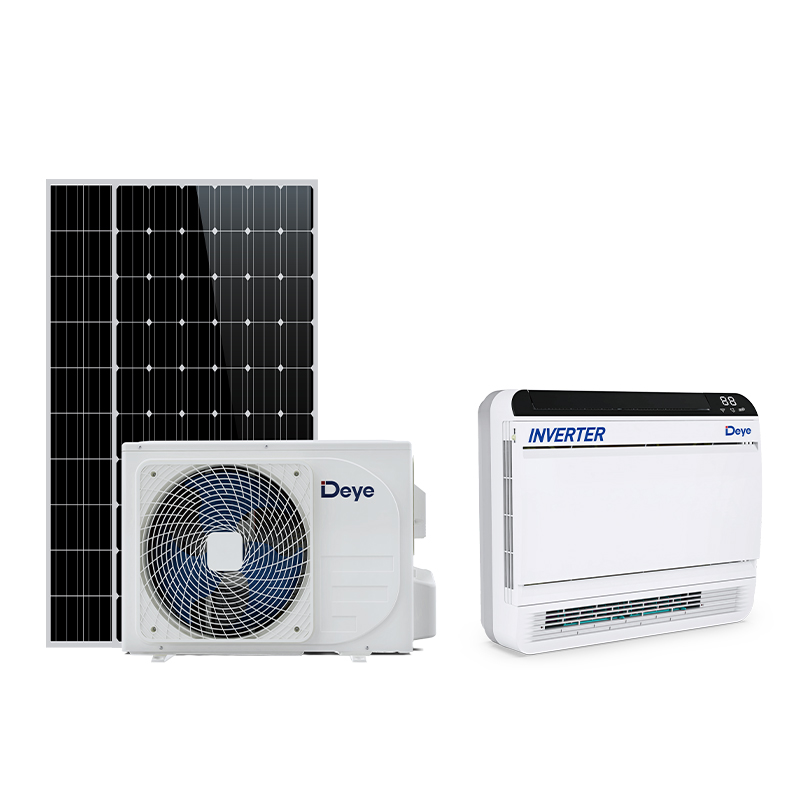
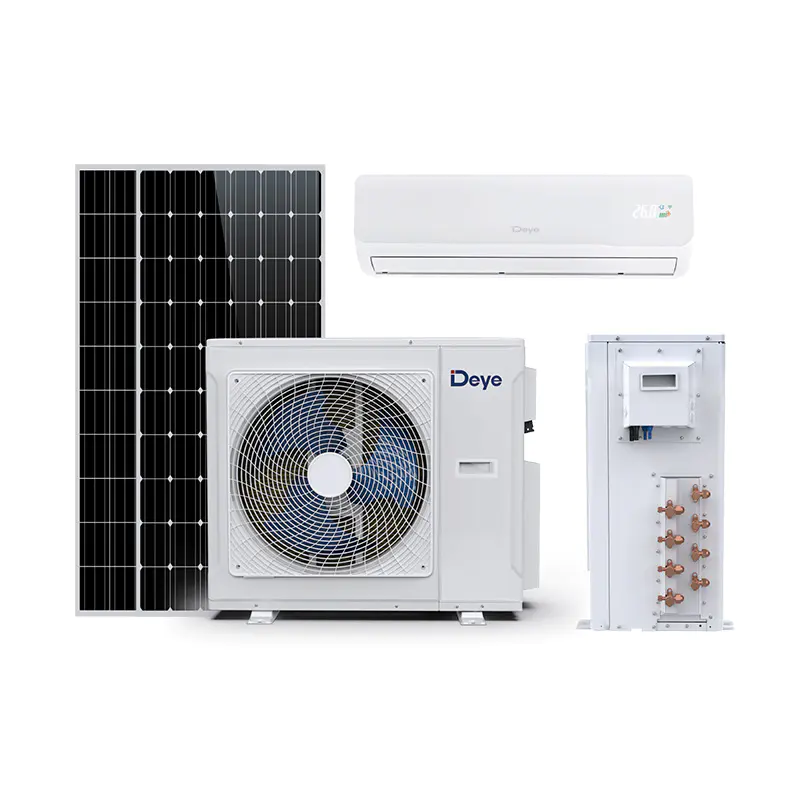
The durability and return on investment for a Hybrid AC/DC Solar Window AC (ACDC Window AC) depend critically on its three core components: the DC Inverter Compressor, the MPPT (Maximum Power Point Tracking) Controller, and the Photovoltaic (PV) Panels. These components utilize specialized technology designed for solar systems and high-frequency operation, generally resulting in expected lifespans and warranty periods that surpass those of traditional fixed-speed or pure AC air conditioning systems. Component reliability is the key factor in achieving long-term energy savings.
II. DC Inverter Compressor: Lifecycle and Technological Advantages
1. Expected Lifespan and Operational Mechanism
The Full DC Inverter Compressor adopted by the ACDC Window AC is the foundation of its high efficiency. The expected lifespan of this compressor is typically designed to be 15 to 20 years or longer.
-
Inverter Advantage: Inverter technology allows the compressor to modulate its speed according to actual heat load demands, avoiding the frequent start-and-stop cycles of traditional fixed-speed compressors that cause mechanical stress and inrush current surges. This smooth operation significantly reduces wear and tear on parts.
-
DC Drive: The compressor is driven directly by DC power, eliminating some harmonics and heat losses generated during the AC inversion process. The clean DC input enhances the motor's efficiency and stability, prolonging the service life of internal motor windings and bearings.
2. Industry Warranty Standards
Manufacturers typically offer long-term warranty commitments for DC inverter compressors, highlighting their reliability.
-
Standard Warranty Period: 5 to 10 years is a common industry warranty range for inverter compressors. Some high-end brands or models may offer longer commitments, occasionally extending up to 12 years.
-
Warranty Coverage: The warranty generally covers major mechanical and electrical issues such as compressor body failure, motor failure, or seal degradation. Users should review the specific terms regarding labor costs and shipping fees within the warranty agreement.
III. MPPT Boost Controller: Guaranteeing the Reliability of the Electronic Core
1. Expected Lifespan and Critical Role
The MPPT Boost Controller is the core electronic component for PV power management in the ACDC Window AC. Its primary function is to ensure the solar panels operate constantly at their maximum power output point. The expected lifespan of this controller generally aligns with the system's overall electronics, targeting 10 to 15 years.
-
Thermal Management: As the core of a high-frequency switching power supply, the MPPT controller's life is mainly affected by the thermal stress on its internal power devices (such as IGBTs or MOSFETs). Professional manufacturers utilize high-efficiency heat dissipation designs, such as large heat sinks and smart fan control, to keep the core junction temperature within safe limits.
-
Wide Voltage Adaptability: The controller must withstand and manage a wide range of DC input voltages, often up to 380V. High standards in component selection and circuit protection design (such as surge protection and overvoltage protection) are crucial technologies for ensuring its long-term stable operation.
2. Industry Warranty Standards
Since the MPPT controller is a highly integrated electronic module, its warranty period is often tied to the electrical system warranty period of the entire unit.
-
Standard Warranty Period: Most manufacturers offer a 3 to 5 year warranty period. This warranty covers electronic failures of the control board, communication errors, or premature failure of power devices.
-
Importance: Although the warranty period may be shorter than the compressor's, the MPPT controller is central to determining solar utilization efficiency and system energy balance. Its long-term reliability directly impacts the user's energy return on investment (ROI).
IV. Photovoltaic (PV) Panels: The Promise of Long-Term Generation Capacity
1. Expected Lifespan and Degradation Rate
Although PV panels are not part of the AC unit body, they are the energy input source for the ACDC system, making their life and performance paramount.
-
Technical Lifespan: The technical lifespan of modern crystalline silicon PV panels typically exceeds 25 years.
-
Performance Warranty: PV panel warranties are divided into two types: materials and workmanship warranty and linear performance warranty.
-
Materials and Workmanship Warranty: Generally 10 to 12 years, covering manufacturing defects, breakage, or back sheet failure.
-
Linear Performance Warranty: Guarantees that the panel's power generation efficiency degradation will not exceed a predetermined value over a specific period. This typically promises that after 25 years, the panel’s power output will be no less than $80\%$ to $85\%$ of its initial rated power.
-
2. Impact on the AC System
The performance degradation of the PV panels will directly affect the proportion of solar power supply to the ACDC Window AC during the day. High-quality, well-warranted PV panels are a necessary condition for ensuring the AC/DC hybrid system maintains a high solar self-sufficiency rate throughout its entire lifecycle.
V. Comprehensive Consideration of Unit and System Warranty
In addition to the core components, customers need to focus on the whole-unit warranty for the ACDC Window AC.
-
Total System Warranty: This is typically 1 to 3 years, covering manufacturing defects in the indoor and outdoor casings, fan motors, sensor components, and non-core parts.
-
Extended Service Contracts: Some brands offer extended warranty or maintenance service contracts to further mitigate the user's long-term maintenance risk. A professional warranty framework is a crucial measure of a manufacturer's confidence in its product quality.
