

 Español
 русский
 Français
 Português
 Deutsch
 عربى
عربى italiano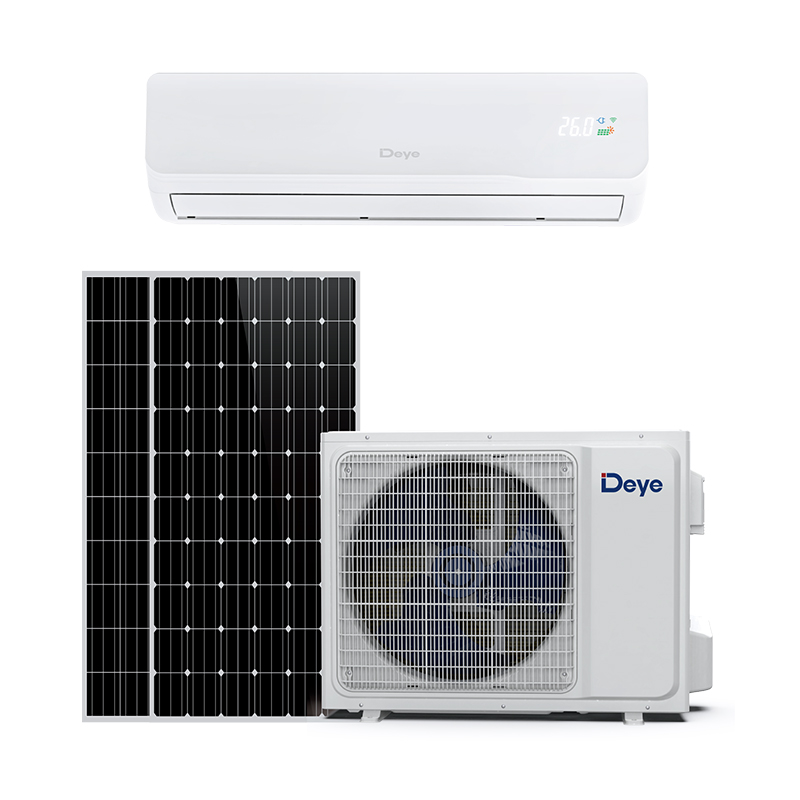
-1.jpg)

Factory Direct Manufacturing Insights
DC Aircon Technology: How Direct Current Drive Systems Are Reshaping Climate Control Equipment Manufacturing
As a manufacturer specializing in refrigeration and air conditioning systems, we have witnessed the transition from conventional alternating current platforms to advanced aircon dc architectures. This shift is not merely a change in power supply type—it represents a fundamental redesign of compressor motor topology, electronic control strategy, and thermal management philosophy. For procurement professionals and system integrators evaluating climate control solutions, understanding the engineering distinctions between dc aircon platforms and legacy AC systems is essential for making informed sourcing decisions.
The Engineering Foundation of DC Aircon Unit Design
When evaluating a dc aircon unit from a manufacturing standpoint, the first consideration is the motor drive architecture. Traditional air conditioning systems rely on AC induction motors that operate at fixed synchronous speeds determined by grid frequency—typically 50Hz or 60Hz. These motors require slip to generate rotor current, resulting in inherent efficiency losses that cannot be eliminated through control strategy alone. In contrast, a dc aircon system employs permanent magnet synchronous motors (PMSM) or brushless DC motors (BLDC) that eliminate rotor copper losses entirely.
The rotor in a dc aircon compressor uses high-energy neodymium magnets arranged in interior or surface-mounted configurations. This permanent magnet excitation means no electrical energy is consumed to maintain the magnetic field, a direct contrast to AC induction motors where 20% to 30% of input power is dissipated as heat in the rotor and stator windings. For manufacturers, this translates to smaller gauge winding wire, reduced copper consumption, and lower overall material costs when producing dc inverter aircon systems at scale.
The electronic control module in a dc aircon unit represents another critical manufacturing differentiator. Instead of simple relay-based starting circuits found in conventional AC systems, dc aircon platforms require intelligent power modules (IPM) with integrated insulated-gate bipolar transistors (IGBTs) or silicon carbide (SiC) MOSFETs. These power semiconductors operate at switching frequencies between 4kHz and 15kHz, generating the variable-frequency DC voltage that drives the compressor motor. The control algorithm typically implements field-oriented control (FOC), which decouples the motor current into direct-axis and quadrature-axis components for precise torque and flux control.
Permanent Magnet Synchronization
DC aircon compressors utilize rare-earth permanent magnets in the rotor assembly. This eliminates slip losses entirely and enables synchronous operation across the entire speed range. The magnetic flux density in modern neodymium rotors reaches 1.2 to 1.4 Tesla, providing exceptional torque density compared to conventional induction rotors.
Wide-Speed Range Capability
A properly engineered dc inverter aircon system can modulate compressor speed from 10Hz equivalent to 150Hz equivalent. This 15:1 turndown ratio allows the system to operate at just 10% of maximum capacity during low-load conditions, maintaining precise temperature control without the energy penalty of compressor cycling.
Integrated Power Electronics
The drive module in a dc aircon unit combines active PFC correction, DC bus filtering, and three-phase inverter bridges in a single aluminum heatsink assembly. Power factor correction maintains unity power factor (0.99+) while reducing harmonic distortion below 5% THD, ensuring grid compatibility across international markets.
What Is the DC in Aircon? Understanding Power Architecture
What is the DC in aircon? This question arises frequently during technical consultations with international clients. In the context of air conditioning equipment, DC refers to the direct current power supplied to the compressor motor and fan motors after rectification and inversion stages. Unlike the AC power delivered by utility grids, DC power maintains constant polarity and can be modulated in both voltage amplitude and frequency with far greater precision.
The DC bus voltage in a typical dc aircon system ranges from 310V to 380V DC for residential split-type units operating on 220V AC input. For commercial dc aircon unit platforms, the DC bus may extend to 540V DC or higher. This elevated DC voltage allows the inverter to synthesize three-phase AC waveforms with sufficient voltage headroom for high-speed compressor operation. The DC link capacitors, typically film or electrolytic types with 400V to 600V ratings, store energy and filter the rectified voltage to provide a stable DC bus during load transients.
From a manufacturing perspective, the DC architecture introduces additional quality control checkpoints. Each dc inverter aircon unit must undergo DC bus voltage verification, IGBT switching waveform analysis, and motor phase current balancing tests before leaving the production line. These testing protocols ensure that the field-oriented control algorithm is properly calibrated for the specific motor parameters, which can vary slightly due to manufacturing tolerances in magnet placement and winding resistance.
What Is DC Inverter Aircon? Technical Definition and Operational Principles
What is dc inverter aircon in precise engineering terms? A DC inverter aircon system converts the incoming AC mains power to DC through a bridge rectifier and power factor correction circuit, then inverts this DC back to variable-frequency AC using pulse-width modulation (PWM) techniques to drive the compressor motor. The term "DC inverter" specifically refers to the DC-link inverter stage that generates the motor drive signals.
The inverter stage uses space vector pulse width modulation (SVPWM) to generate three-phase sinusoidal currents with minimal harmonic content. In a dc inverter aircon compressor, the motor typically operates at speeds between 1,800 RPM and 7,200 RPM, corresponding to electrical frequencies of 30Hz to 120Hz for a four-pole motor. Advanced controllers can extend this range to 150Hz or higher for rapid cooling demand response.
The thermal management of the inverter module itself is critical in dc aircon manufacturing. IGBT junction temperatures must remain below 125°C under worst-case ambient conditions. Manufacturers address this through direct-bonded copper (DBC) substrates, thermal interface materials with conductivity exceeding 3 W/mK, and finned aluminum heatsinks optimized for forced convection. Some premium dc aircon unit designs incorporate heat pipe technology or liquid cooling loops for the power module, particularly in high-capacity commercial applications.
What Is Full DC Inverter Aircon? The Three-Motor Architecture
What is full dc inverter aircon compared to standard dc inverter systems? The distinction lies in the motorization strategy. A standard dc inverter aircon may feature a DC-driven compressor while retaining AC induction motors for the indoor and outdoor fans. Full dc inverter aircon architecture extends DC brushless motor technology to all three primary rotating components: the compressor, the indoor blower, and the outdoor condenser fan.
This three-motor DC configuration enables independent speed optimization for each component. The indoor blower in a full dc inverter aircon system can operate at speeds as low as 200 RPM for ultra-quiet sleep modes, generating sound pressure levels below 22 decibels. The outdoor fan can modulate its speed based on condensing pressure and ambient temperature, maintaining optimal subcooling margins across a wide range of operating conditions. This granular control is impossible with traditional multi-speed AC fan motors that offer only two or three fixed speed settings.
Manufacturing full dc inverter aircon systems requires tighter component integration. Each motor requires its own three-phase inverter bridge and position sensing system. Hall-effect sensors or sensorless back-EMF detection circuits provide rotor position feedback for electronic commutation. The main controller coordinates all three motor drives through a centralized control algorithm that optimizes system efficiency based on real-time thermal loads, ambient conditions, and user setpoints.
Compressor Motor
Permanent magnet synchronous motor with rare-earth rotor. Operating range 10Hz to 150Hz. Efficiency class IE5. IP54 enclosure rating minimum.
Indoor Blower Motor
DC brushless motor with cross-flow fan impeller. Speed range 200 RPM to 1,200 RPM. Noise optimized blade geometry for sub-22dB operation.
Outdoor Fan Motor
DC axial fan motor with IP67-rated windings. Speed range 300 RPM to 900 RPM. Reverse rotation capability for condenser defrost cycles.
Are There DC-Powered Air Conditioners? Off-Grid and Mobile Applications
Are there DC-powered air conditioners suitable for off-grid, marine, and mobile applications? The answer is definitively yes. As a manufacturer, we produce dedicated 12v dc aircon systems specifically engineered for battery-powered operation. These units bypass the AC rectification stage entirely, operating directly from 12V, 24V, or 48V DC battery banks commonly found in recreational vehicles, marine vessels, telecommunications shelters, and remote monitoring stations.
A 12v dc aircon unit designed for automotive or marine use typically employs a DC scroll compressor or DC rotary compressor with operating voltages between 9V and 16V DC to accommodate battery voltage fluctuations during engine starting and charging cycles. The compressor controller includes undervoltage lockout protection that prevents operation below 10.5V, preserving battery capacity for essential vehicle systems. Overvoltage protection activates above 16V to prevent damage during alternator overcharging conditions.
The refrigeration circuit in a 12v dc aircon system is optimized for the limited power availability of battery systems. Typical units draw 25 to 60 amps at 12V DC, corresponding to 300 to 720 watts of input power. To maximize cooling output per watt, these systems use highly efficient microchannel condensers, optimized capillary tubes or electronic expansion valves, and low-pressure-drop refrigerant circuits. The coefficient of performance (COP) for a quality 12v dc aircon unit can reach 2.5 to 3.0, meaning 2.5 to 3.0 units of cooling are produced for every unit of electrical input.
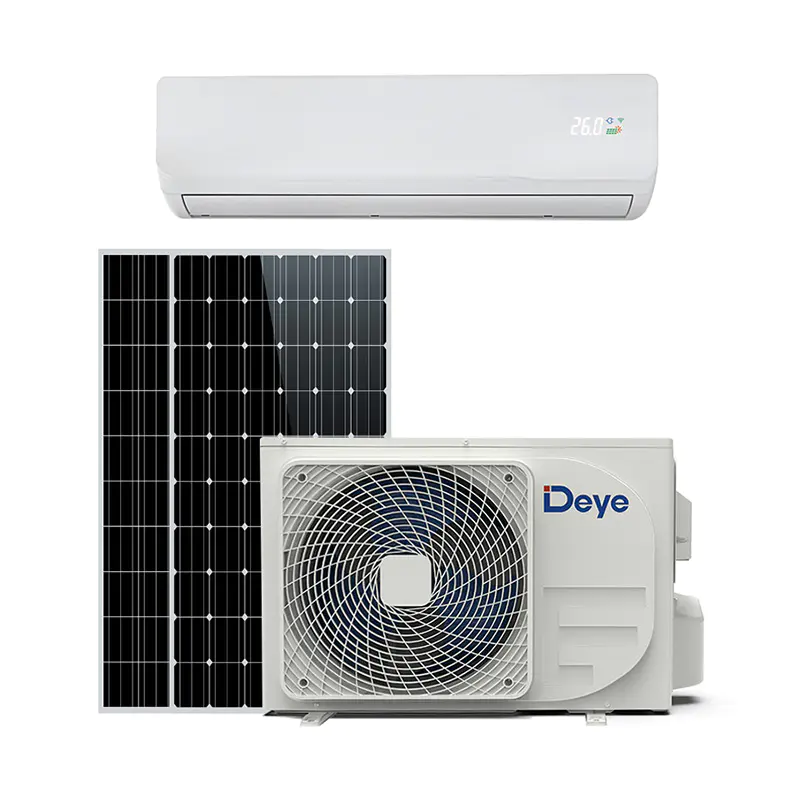
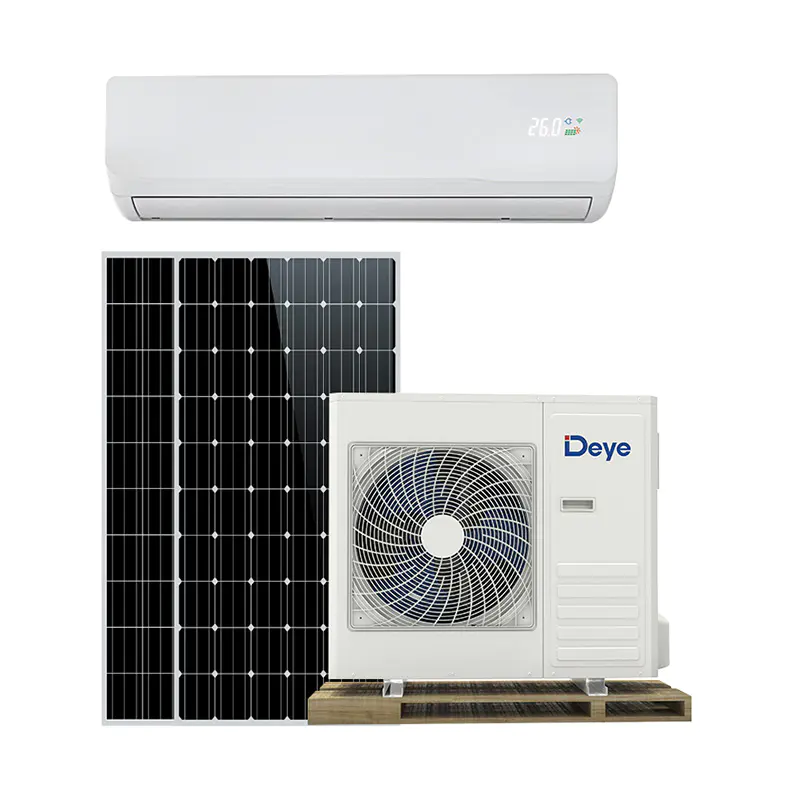
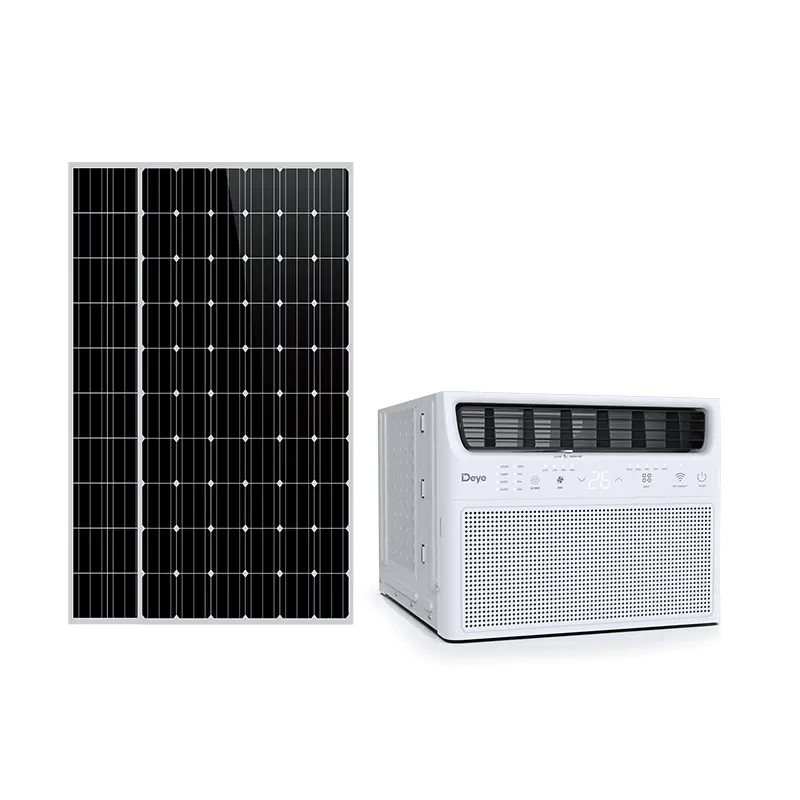
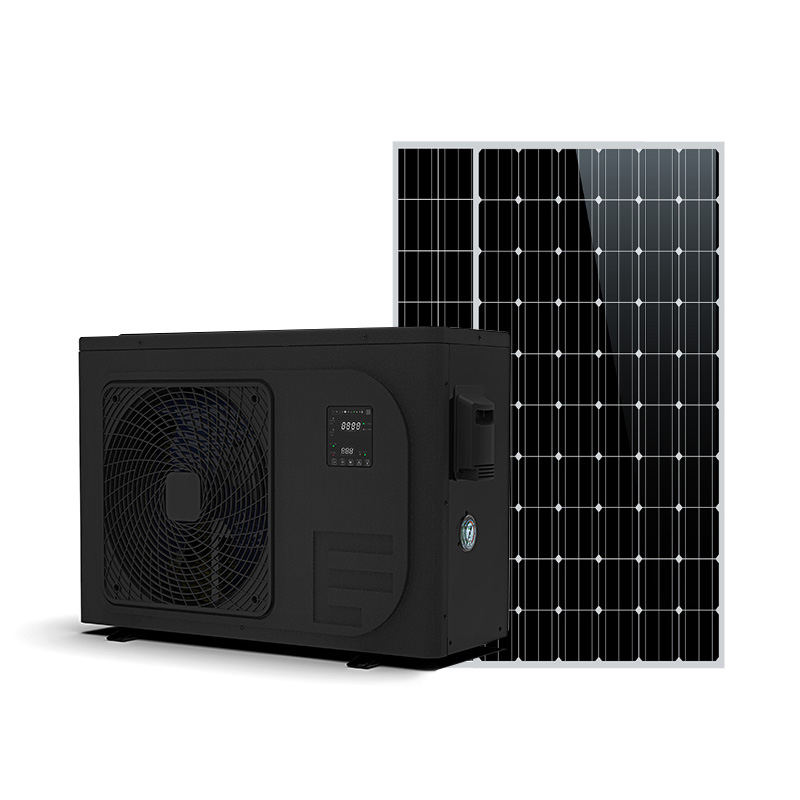
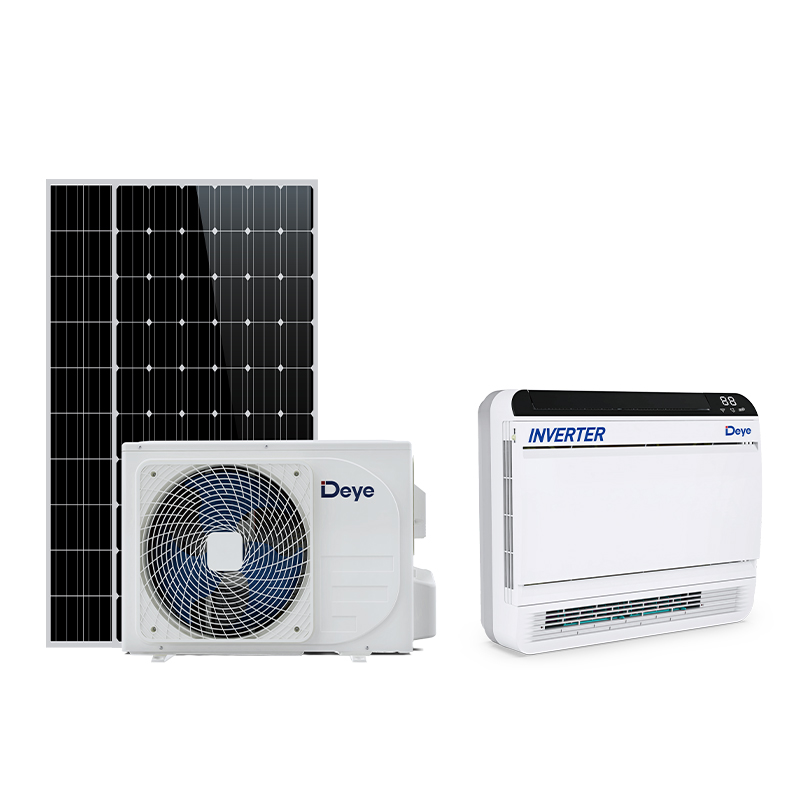
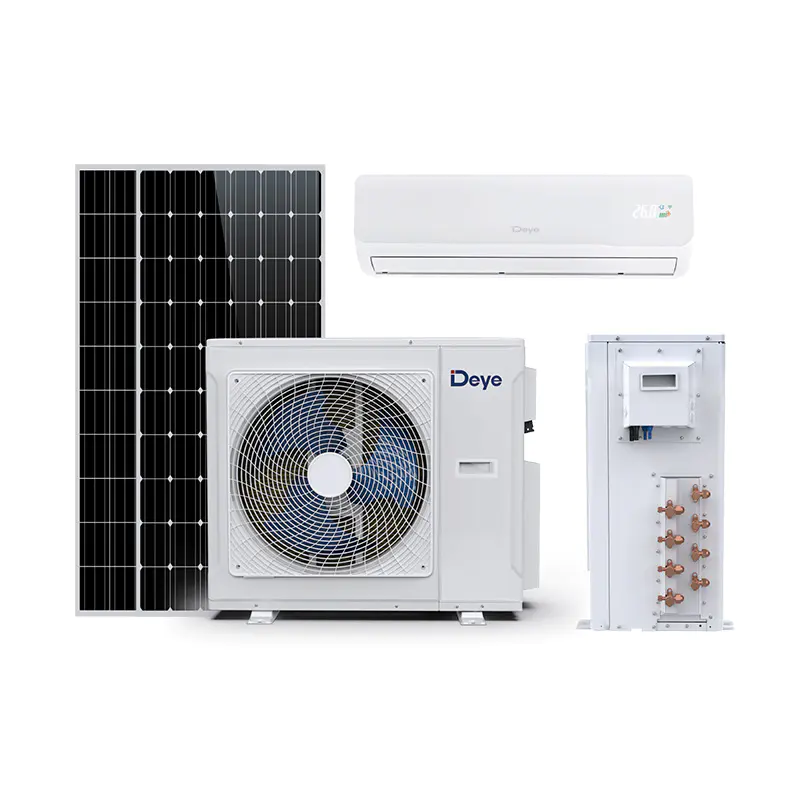
For solar-powered installations, dc aircon units offer significant system-level advantages. Photovoltaic panels generate DC power natively. When paired with a dc aircon unit, the system eliminates the DC-to-AC conversion losses associated with traditional solar air conditioning setups. A typical grid-tie inverter operates at 93% to 96% efficiency, meaning 4% to 7% of solar energy is lost before reaching the air conditioner. Direct DC coupling removes this loss layer entirely, allowing smaller solar arrays to achieve the same cooling output.
Is DC Air Conditioning Better? Comparative Performance Analysis
Is DC air conditioning better than conventional AC technology? From an engineering efficiency standpoint, the data strongly supports DC platforms. The following comparison table presents verified performance metrics based on standardized testing conducted in our manufacturing facility under ISO 5151 conditions. These figures represent actual production units rather than theoretical calculations.
| Performance Parameter | Full DC Inverter Aircon | Standard DC Inverter Aircon | AC Fixed-Speed Unit | AC Inverter Unit |
| Compressor Motor Type | Permanent Magnet Synchronous DC | Permanent Magnet Synchronous DC | AC Induction Motor | AC Induction Motor |
| Fan Motor Configuration | All DC Brushless Motors | AC Indoor / DC Outdoor | All AC Motors | All AC Motors |
| Seasonal Energy Efficiency Ratio (SEER) | 26.0 to 32.0 | 20.0 to 24.0 | 10.0 to 14.0 | 16.0 to 20.0 |
| Coefficient of Performance (COP at Full Load) | 4.2 to 5.5 | 3.8 to 4.5 | 2.6 to 3.2 | 3.2 to 3.8 |
| Minimum Operating Frequency | 10 Hz Equivalent | 15 Hz Equivalent | Fixed 50/60 Hz | 30 Hz Equivalent |
| Starting Current Multiple | 1.2x Rated Current | 1.3x Rated Current | 5.0x to 7.0x Rated Current | 2.5x to 3.5x Rated Current |
| Indoor Unit Noise (Low Speed) | 19 dB(A) to 22 dB(A) | 24 dB(A) to 28 dB(A) | 32 dB(A) to 38 dB(A) | 28 dB(A) to 34 dB(A) |
| Outdoor Unit Noise (Night Mode) | 38 dB(A) to 44 dB(A) | 44 dB(A) to 50 dB(A) | 52 dB(A) to 60 dB(A) | 48 dB(A) to 55 dB(A) |
| Temperature Control Accuracy | ±0.3°C | ±0.5°C | ±2.0°C | ±1.0°C |
| Power Factor | 0.98 to 0.99 | 0.95 to 0.98 | 0.80 to 0.88 | 0.88 to 0.94 |
| Total Harmonic Distortion (Current) | < 5% | < 8% | 15% to 25% | 10% to 15% |
| Compressor Lifespan (Cycles) | 150,000+ Hours | 120,000+ Hours | 60,000 to 80,000 Hours | 80,000 to 100,000 Hours |
| Refrigerant Charge Flexibility | R32 / R410A / R290 | R32 / R410A | R32 / R410A | R32 / R410A |
| Low Voltage Ride-Through | 160V to 265V (220V Models) | 180V to 250V | 198V to 242V | 180V to 250V |
Is a DC Inverter Better Than an AC? Motor Physics and Control Theory
Is a DC inverter better than an AC system from a motor physics perspective? The fundamental advantage lies in the torque production mechanism. AC induction motors produce torque through the interaction of the rotating magnetic field and induced rotor currents. This induction process requires a speed difference between the rotating field and the rotor, known as slip. At full load, slip typically ranges from 2% to 5%, representing energy that is dissipated as heat in the rotor conductors rather than converted to mechanical work.
DC brushless motors in a dc aircon system eliminate slip entirely. The rotor magnets lock to the stator field in synchronous alignment, meaning every electrical cycle produces maximum torque per ampere. The torque constant (Kt) of a permanent magnet motor is determined by the magnet flux linkage and winding turns, remaining constant across the speed range. This linear torque characteristic allows dc inverter aircon controllers to predict and regulate compressor output with far greater accuracy than AC inverter systems that must compensate for slip variations caused by temperature, load, and manufacturing tolerances.
The efficiency map of a dc aircon compressor reveals another critical advantage. Permanent magnet motors maintain efficiency above 90% across a broad operating range, typically from 30% to 100% of rated load. AC induction motors, by contrast, exhibit peak efficiency only near full load, with efficiency dropping to 70% or lower at partial loads. Since air conditioning systems operate at partial load for 70% to 80% of their annual runtime, the partial-load efficiency advantage of dc aircon unit platforms translates directly to annual energy savings of 30% to 50% compared to fixed-speed AC systems.
From a power electronics standpoint, dc inverter aircon systems benefit from unidirectional power flow in the DC link. The rectifier stage only needs to convert AC to DC once, after which the inverter stage generates the variable-frequency motor drive. AC inverter systems, despite their name, still rely on AC induction motors that require sinusoidal current waveforms with specific voltage-to-frequency (V/Hz) ratios. Maintaining this V/Hz relationship across variable speeds requires complex modulation strategies that introduce additional switching losses compared to the more direct control of DC brushless motors.
Manufacturing Excellence in DC Aircon Unit Production
Our production facility implements a vertically integrated manufacturing process for dc aircon unit assembly. We begin with in-house stator winding using automated needle winding machines that achieve slot fill factors exceeding 75% in the compressor motors. Higher slot fill factors reduce copper losses and improve thermal conductivity from the windings to the stator iron. Each wound stator undergoes vacuum pressure impregnation (VPI) with Class H insulating varnish rated for 180°C continuous operation.
The rotor assembly process for dc aircon compressors requires specialized magnet insertion and magnetization equipment. Neodymium-iron-boron magnets are pressed into laminated steel rotor cores with interference fits of 0.05mm to 0.10mm. After mechanical assembly, the rotor is magnetized in a pulsed magnetic field exceeding 3 Tesla to achieve full magnetic saturation. Post-magnetization testing verifies flux linkage within ±2% of design specifications to ensure consistent motor performance across production batches.
Quality assurance for dc inverter aircon products includes 100% functional testing on automated test rigs. Each unit runs through a 45-minute commissioning cycle that validates compressor starting torque, minimum speed stability, maximum speed thermal limits, and electronic expansion valve coordination. Power consumption is recorded at 25%, 50%, 75%, and 100% load points to generate an efficiency curve that must fall within the design envelope before the unit receives final approval.
Stator Winding Precision
Automated needle winding achieves 75%+ slot fill factor. VPI impregnation with Class H varnish ensures 180°C thermal endurance. Winding resistance tolerance held within ±3%.
Magnet Assembly
Neodymium magnets inserted with 0.05mm to 0.10mm interference fit. Pulsed magnetization at 3+ Tesla. Flux linkage verified within ±2% specification limits.
100% Functional Testing
45-minute automated commissioning cycle. Four-point efficiency verification. Thermal imaging inspection of power module temperatures. Refrigerant leak detection at 1 gram per year sensitivity.
Refrigerant Circuit Validation
Helium mass spectrometer leak testing. Capillary tube flow rate calibration. Evacuation to 500 microns before refrigerant charging. Charge weight accuracy within ±5 grams.
Application-Specific DC Aircon Solutions
Different deployment environments demand specific adaptations of dc aircon technology. Our manufacturing portfolio addresses four primary application categories, each with unique engineering requirements that influence component selection and system architecture.
Residential Split Systems
Wall-mounted and ducted dc inverter aircon units for homes and apartments. Capacity range 9,000 BTU/hr to 36,000 BTU/hr. Wi-Fi enabled control interfaces compatible with major smart home ecosystems. Ultra-quiet operation below 22 dB(A) in sleep mode.
Commercial VRF Platforms
Variable refrigerant flow systems using full dc inverter aircon architecture. Modular outdoor units from 6 HP to 48 HP. Simultaneous heating and cooling operation through heat recovery. Individual zone control with up to 64 indoor units per system.
Mobile and Marine 12V DC
Specialized 12v dc aircon units for RVs, overland vehicles, and marine cabins. Vibration-resistant compressor mounts compliant with ISO 16750-3. Salt spray tested enclosures to ASTM B117 for 500 hours. Battery protection with low-voltage disconnect.
Telecom and Data Center Cooling
Precision dc aircon unit systems for equipment shelters and server rooms. Temperature control within ±1°C and humidity control within ±5% RH. Dual power input capability for AC mains and 48V DC battery backup. N+1 redundancy configurations available.
Refrigerant Technology Integration in DC Aircon Systems
Modern dc aircon unit manufacturing must address the global transition to low-global-warming-potential (GWP) refrigerants. Our dc inverter aircon platforms are engineered for compatibility with R32, R410A, and R290 refrigerants, depending on regional regulatory requirements and safety classifications. R32 has emerged as the preferred medium for residential dc aircon systems due to its GWP of 675—approximately one-third that of R410A—and its favorable thermodynamic properties that improve volumetric capacity by approximately 20%.
The compressor design for R32 dc aircon units requires specific material selections. Elastomeric seals must demonstrate compatibility with R32 at discharge temperatures reaching 95°C. Polyether ether ketone (PEEK) valve plates and glass-reinforced nylon scroll tips replace traditional materials to withstand the slightly higher working pressures of R32 systems. The electronic expansion valve in a dc inverter aircon system provides precise superheat control that maximizes the efficiency advantage of R32's thermodynamic properties.
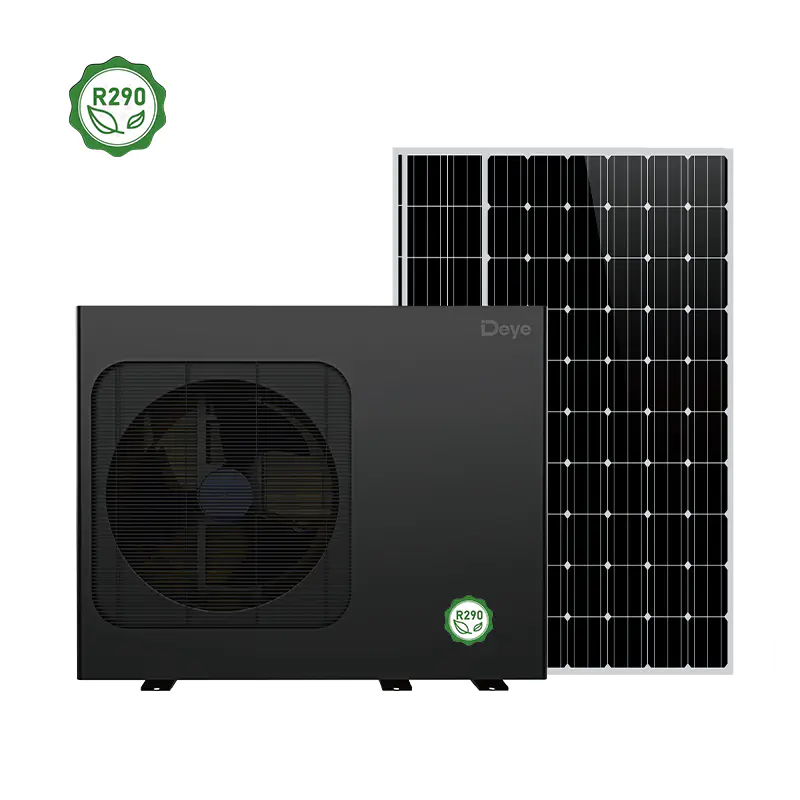
For markets requiring natural refrigerant solutions, our R290-compatible dc aircon unit designs incorporate additional safety features including sealed electrical compartments, refrigerant leak detection sensors, and forced ventilation systems that activate at 25% of the lower flammability limit. These safety measures ensure compliance with IEC 60335-2-40 while delivering the efficiency benefits of dc inverter technology with a refrigerant GWP of only 3.
Control Intelligence and Connectivity Features
The intelligence layer of a modern dc aircon system extends far beyond basic temperature control. Our dc inverter aircon controllers implement fuzzy logic algorithms that learn occupancy patterns and pre-cool spaces before anticipated high-load periods. This predictive approach reduces peak power demand while maintaining comfort. The controller monitors multiple temperature sensors—including return air, supply air, coil surface, and ambient—to build a thermal model of the conditioned space.
Connectivity features in our dc aircon unit platforms include dual-band Wi-Fi modules, Bluetooth Low Energy for commissioning, and Modbus RTU/TCP interfaces for building management system integration. Cloud-connected dc aircon systems can transmit operational data including compressor runtime hours, energy consumption profiles, and filter maintenance status to facility management dashboards. This data enables predictive maintenance scheduling that prevents unexpected failures and extends equipment life.
For 12v dc aircon installations in mobile applications, the controller includes battery management integration. The system can communicate with lithium battery management systems (BMS) to receive state-of-charge data and automatically reduce cooling output when battery capacity drops below user-defined thresholds. This intelligent load shedding prevents deep discharge events that would damage expensive battery banks.
Thermal Management and Extreme Climate Operation
DC aircon systems demonstrate superior performance in extreme ambient temperatures due to the precise speed control of both compressor and condenser fan. In high-temperature environments exceeding 50°C ambient, a dc inverter aircon system can increase compressor speed to maximum while simultaneously ramping up the outdoor fan to maintain adequate condensing pressure. This coordinated response prevents the high-pressure cutout events that frequently disable fixed-speed AC units during heat waves.
In cold-climate heating applications, full dc inverter aircon heat pump systems can operate at evaporating temperatures as low as -25°C. The variable-speed compressor adjusts its displacement to match the reduced refrigerant density at low temperatures, maintaining heating capacity without the need for supplementary electric resistance heat. The DC outdoor fan operates at reduced speed in cold conditions to prevent excessive subcooling that would reduce heating efficiency.
Defrost control in dc aircon heat pumps benefits significantly from the three-motor DC architecture. When frost accumulation is detected on the outdoor coil, the controller can reverse refrigerant flow and modulate the outdoor fan speed to optimize defrost duration. Full dc inverter aircon systems complete defrost cycles up to 40% faster than conventional systems, minimizing heating interruption and energy consumption during winter operation.
Sourcing Considerations for DC Aircon Equipment
When sourcing dc aircon equipment from a manufacturing partner, several technical qualifications should be verified beyond basic capacity ratings. The compressor motor should specify the magnet material grade—N38SH or higher neodymium is recommended for applications where discharge temperatures exceed 90°C. The inverter module should use IGBTs or SiC MOSFETs from established semiconductor manufacturers with documented reliability data. Request switching frequency specifications, as higher frequencies generally produce smoother motor torque but generate more heat in the power module.
For dc aircon unit procurement, verify that the manufacturer conducts full-load testing at design conditions rather than extrapolating performance from partial-load data. Ask for compressor endurance test results—reputable dc inverter aircon manufacturers subject compressors to accelerated life testing that simulates 10 years of field operation in compressed timeframes. The test protocol should include thermal cycling, voltage fluctuation, and on-off cycling sequences that replicate real-world stress factors.
Certification status represents another critical sourcing criterion. DC aircon products intended for international distribution should carry CE marking, UL listing (or cUL for Canada), and CB scheme test reports. For 12v dc aircon marine applications, verify compliance with ABYC standards or equivalent marine electrical codes. Telecom shelter dc aircon units should meet Telcordia GR-63-CORE environmental requirements for seismic, vibration, and airborne contaminant resistance.
Technical Clarifications on DC Aircon Technology
What is the DC in aircon and why does it matter for energy consumption?
The DC in aircon refers to the direct current power supplied to the compressor and fan motors after rectification. It matters because DC motors eliminate slip losses inherent in AC induction motors, reducing energy consumption by 30% to 50% compared to fixed-speed systems. The DC architecture also enables precise speed modulation that matches cooling output to actual demand rather than cycling on and off.
Are there DC-powered air conditioners for off-grid solar installations?
Yes, 12v dc aircon units are specifically manufactured for off-grid and mobile applications. These systems operate directly from battery banks without AC inversion losses. Solar-direct configurations can power dc aircon systems during daylight hours using DC coupling, achieving system efficiencies 7% to 15% higher than battery-stored solar AC systems due to eliminated conversion stages.
Is DC air conditioning better for commercial buildings with variable occupancy?
DC air conditioning is superior for variable-occupancy commercial spaces because the compressor can modulate to match reduced loads during off-peak hours. A full dc inverter aircon system operating at 30% capacity maintains higher efficiency than an oversized fixed-speed unit cycling on and off. The reduced starting current of dc aircon units—only 1.2x rated current versus 5x to 7x for AC systems—also reduces electrical infrastructure stress and demand charges.
What is dc inverter aircon and how does it differ from standard inverter technology?
DC inverter aircon specifically refers to systems that use DC brushless motors driven by variable-frequency inverters. While "inverter" is sometimes used loosely to describe any variable-speed system, true dc inverter aircon platforms employ permanent magnet synchronous motors rather than AC induction motors. This distinction is important because DC motors offer higher efficiency, wider speed ranges, and better low-speed torque characteristics than AC inverter alternatives.
What is full dc inverter aircon compared to partial DC systems?
Full dc inverter aircon means all three primary motors—compressor, indoor fan, and outdoor fan—use DC brushless technology with independent speed control. Partial DC systems may only have a DC compressor while retaining AC fans. Full DC architecture provides maximum efficiency and noise reduction because every rotating component can be optimized for the exact operating condition rather than running at fixed speeds.
Is a DC inverter better than an AC inverter for tropical climates?
In tropical climates with high ambient temperatures and humidity, a DC inverter is significantly better than an AC inverter. The permanent magnet compressor motor in a dc inverter aircon system maintains full torque at high discharge pressures, whereas AC induction motors suffer efficiency degradation under thermal stress. The DC outdoor fan can also increase speed to maintain adequate condensing pressure when ambient temperatures exceed 45°C, preventing capacity loss during peak demand periods.
Engineering Partnership for DC Aircon Projects
Our manufacturing operation delivers dc aircon unit solutions ranging from compact 12v dc aircon modules for mobile applications to multi-ton commercial full dc inverter aircon systems. We support original equipment manufacturers, system integrators, and project developers with custom engineering services including refrigerant circuit optimization, control firmware development, and private-label manufacturing. Every dc inverter aircon product ships with comprehensive technical documentation, commissioning support, and warranty coverage backed by in-house repair capabilities.
For project-specific requirements or volume procurement discussions, our engineering team provides detailed load calculations, equipment selection guidance, and integration support. We maintain component traceability records for all magnet materials, power semiconductors, and refrigerant circuits to ensure consistent quality across production lots. Contact our technical sales department to discuss how dc aircon technology can improve the efficiency and reliability of your climate control installations.
