

 Español
 русский
 Français
 Português
 Deutsch
 عربى
عربى italiano
-1.jpg)

Content
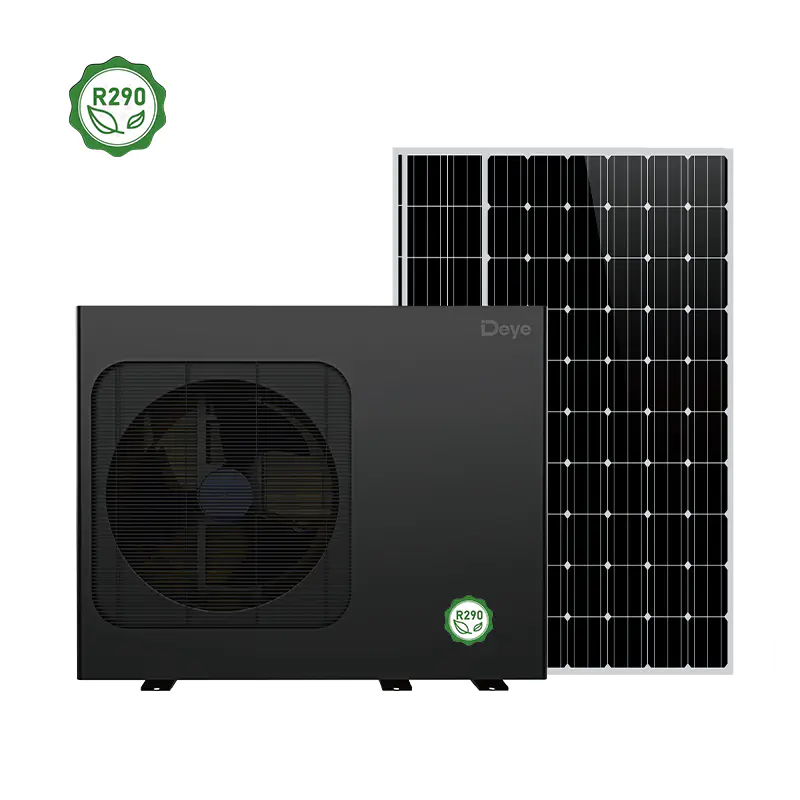
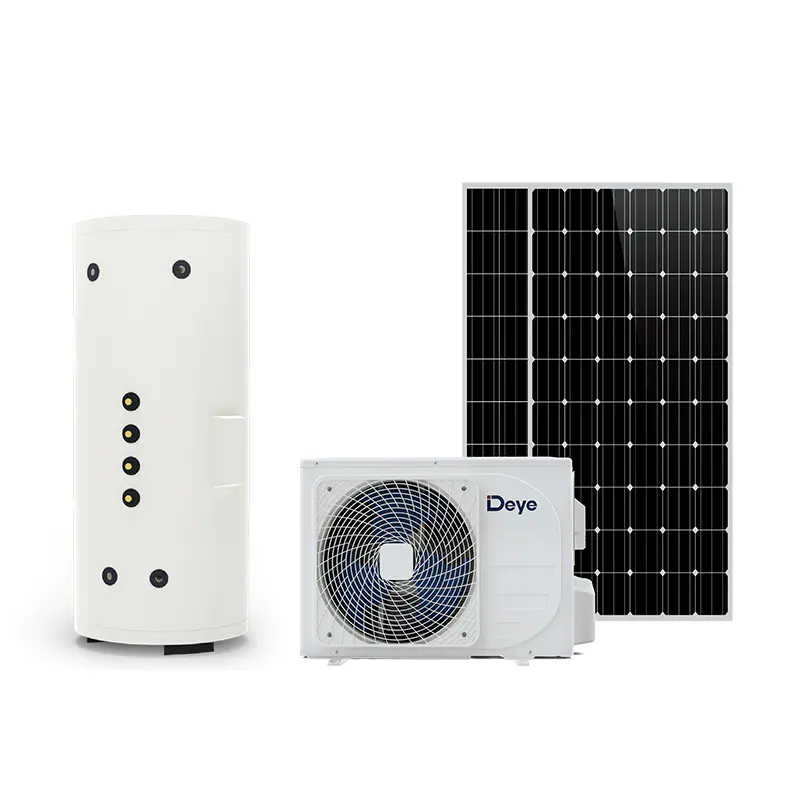
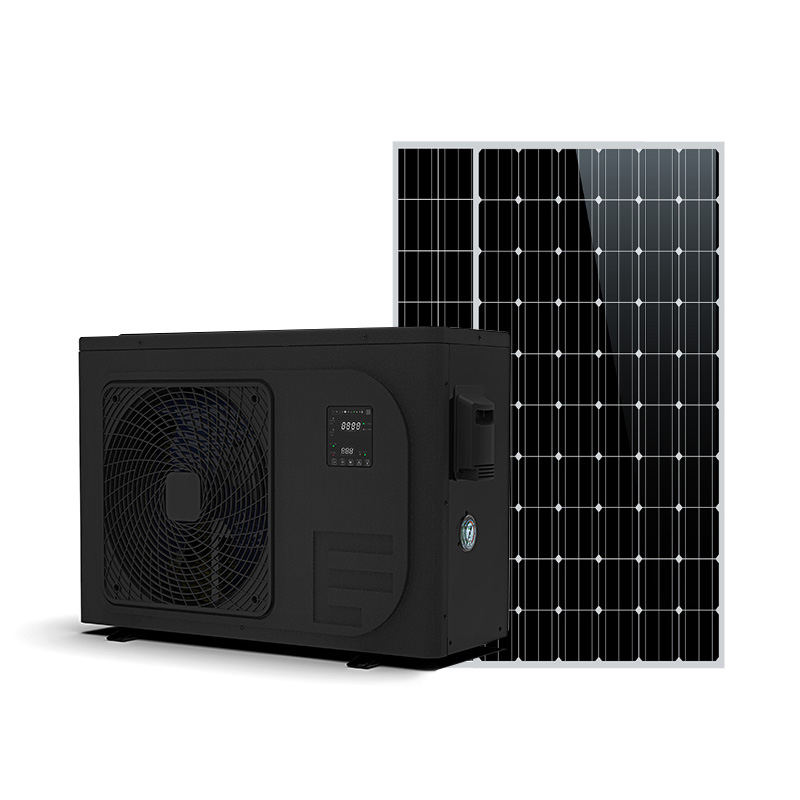
Solar swimming pool heat pumps are highly efficient and environmentally friendly water heating systems. They absorb external heat from air or solar energy and transfer it to pool water to maintain a comfortable and stable temperature. By using heat pump technology, these systems achieve higher energy efficiency and lower operating costs compared to traditional electric or gas heaters. They are widely used in residential pools, commercial pools, and hotel resorts.
Refrigerant Cycle Principle
The core principle of a solar swimming pool heat pump is the refrigerant cycle. The system contains a specific refrigerant that circulates through four main stages: compression, condensation, expansion, and evaporation. The compressor raises the pressure and temperature of low-pressure, low-temperature refrigerant gas into high-pressure, high-temperature gas. This gas flows through the condenser, transferring heat to the pool water while the refrigerant cools and condenses into a liquid. The liquid then passes through an expansion valve, reducing pressure and temperature, and enters the evaporator to absorb heat from air or solar energy. The refrigerant evaporates back into gas and returns to the compressor, completing the cycle.
Air-Source and Solar Heat Absorption
Solar swimming pool heat pumps can use air-source or solar-source heating. Air-source heat pumps extract low-grade heat from surrounding air, even at low temperatures, and transfer it to pool water. Solar-assisted heat pumps use solar collectors to capture solar radiation and transfer heat to the refrigerant or directly to the circulation water, increasing overall heating efficiency. Some advanced systems combine photovoltaic panels to power the compressor during daylight hours, further reducing operating costs.
Role of the Compressor
The compressor is the main driving component of the heat pump. It increases refrigerant pressure and temperature, converting low-grade external heat into high-grade heat usable for pool water. Compressors are typically scroll or piston type, and their efficiency directly impacts the heat pump’s heating capacity. The compressor is automatically controlled by the system, cycling on or off based on the pool’s set temperature and actual water temperature.
Function of the Heat Exchanger
The heat exchanger is the critical component where heat is transferred from the refrigerant to the pool water. In the condenser, high-temperature refrigerant releases heat to the water, raising the water temperature. In the evaporator or solar collector, heat is absorbed from air or sunlight to heat the refrigerant, continuing the cycle. Heat exchangers are usually made of copper or stainless steel, ensuring good thermal conductivity and corrosion resistance. Regular maintenance prevents scaling or blockage, maintaining heat pump efficiency.
Circulation System and Control
The pool circulation system works closely with the heat pump, delivering water through the heat exchanger for continuous heating. The control system monitors water temperature, ambient temperature, and flow rate, adjusting compressor operation and pump speed accordingly. Advanced systems feature smart panels or mobile apps for automatic temperature control, scheduled heating, and energy monitoring. Stable water circulation ensures optimal heat transfer and reliable operation.
Freeze Protection and Low-Temperature Operation
In cold climates, freeze protection is critical. The system includes freeze sensors and automatic circulation to prevent freezing in the heat exchanger. In some air-source heat pumps, auxiliary electric heaters are used to avoid freezing during winter. Proper freeze protection ensures reliable operation throughout the year, even in low temperatures.
Energy Efficiency and Environmental Benefits
Solar swimming pool heat pumps efficiently convert external low-grade heat into usable energy. With a coefficient of performance (COP) of 3 to 6, they generate 3–6 units of heat for every unit of electricity consumed, significantly outperforming conventional electric heaters. Using air or solar energy reduces reliance on fossil fuels and lowers carbon emissions, making heat pumps an environmentally friendly solution. Long-term operation can substantially reduce pool operating costs and provide high return on investment.
